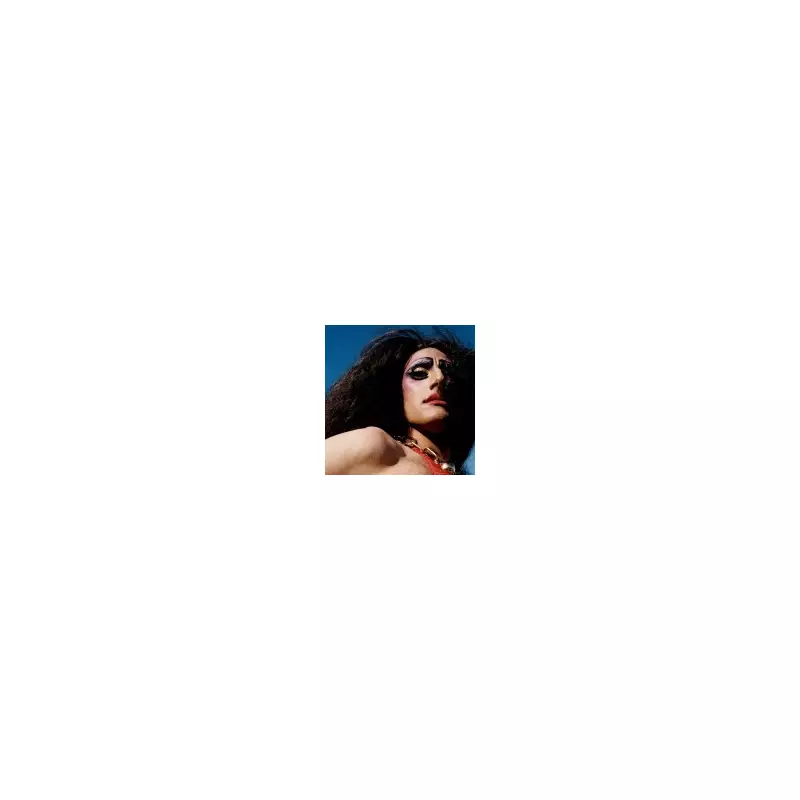
Walking onto the stage at the Edinburgh Fringe Festival in 2017, drag performer Amrou Al-Kadhi experienced a moment of pure terror. Seated in the front row was a group of Muslim women wearing hijabs. For Al-Kadhi, who was performing in a sapphire blue ensemble inspired by their Iraqi-Egyptian heritage, the sight triggered a deep fear of judgement and offence.
A Childhood Conditioned by Negative Stereotypes
Amrou Al-Kadhi's relationship with their heritage was profoundly shaped by their experiences after moving to the UK in 2001 at age 11. Educated during the US-led invasion of Iraq, they faced a Britain that consistently framed their background in a negative light. A pivotal moment came at age 14 during a GCSE art project. While their white classmates sketched portraits of pets and holidays, Al-Kadhi's teacher suggested a different path.
The teacher urged them to create a project about 9/11 or suicide bombing, simply because they were Iraqi. Confused and desperate to belong, Al-Kadhi complied, producing a final painting of their mother bleeding in front of the Twin Towers—a far cry from the glamorous woman they admired.
This stereotyping continued into their early acting career. Their first professional role was playing a terrorist's son in Steven Spielberg's Munich. Al-Kadhi would go on to audition for around 20 similar roles. This repeated typecasting felt like a colonial conversion therapy, teaching them to associate their heritage only with horror, not its inherent beauty and culture.
Drag as a Path to Reclamation and Healing
For Al-Kadhi, drag became a powerful tool for rewriting these imposed narratives. On stage, they could finally wear markers of their Arab heritage in a celebratory way, reclaiming pride in a country that had made them feel ashamed. Their performances at the Edinburgh Fringe were an act of living out a fantasy. However, the sight of the Muslim women in the audience that night in 2017 brought all their internalised fear to the surface.
Wearing a belly dancer outfit and performing a break-up song to Allah, Al-Kadhi was convinced the women would disapprove. The anxiety caused a minor breakdown on stage, complete with tripping, forgotten lines, and a plea for the audience to stop judging. After the show, bracing for confrontation, they learned the women were long-time fans waiting to express appreciation for their queer perspectives on Islam.
One woman held Al-Kadhi's hand, looked them in the eye, and said, 'Glamrou – Allah loves you.' The moment was transformative, leading to an hour of sobbing that released decades of grief. Al-Kadhi realised their past had conditioned them to expect punishment, but now they could challenge that perspective.
Platforming Arab Stories in a Homogenised Industry
Since that pivotal encounter, Amrou Al-Kadhi has fully embraced their heritage in global drag performances. Their recent tour celebrates the true essence of their mother. In 2020, they wrote for the finale of Apple's Little America, focusing on a queer Syrian and Iraqi asylum seeker in the USA—a story that has inspired messages of hope from Arabs worldwide.
Al-Kadhi now feels a duty to platform Arab narratives, especially when global political forces often seek to suppress them. They express concern about the UK's film and TV industry, which they see as slipping backwards, with a 2024 study showing creators across streaming shows were 90% white. There are nearly no Arab-created series on screen in the UK.
Despite the challenges, Al-Kadhi remains hopeful. They believe stories like theirs have the power to change minds and touch hearts. For them, and for all marginalised voices in media, now is not the time for capitulation, but for unwavering expression of truth.