UK Supreme Court Delivers Final Blow to Oatly in 'Milk' Marketing Battle
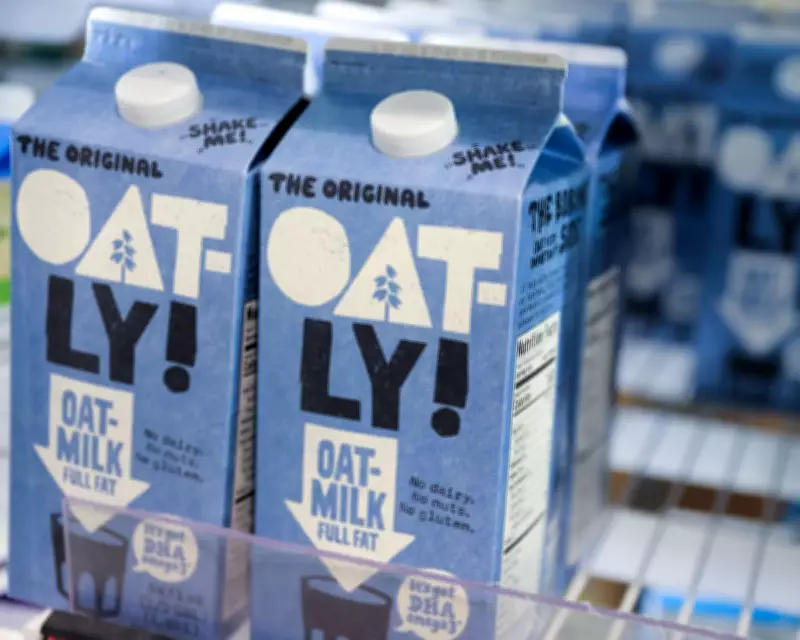
The Swedish-based plant-based drinks manufacturer Oatly has been definitively prohibited from using the word "milk" to market its alternative dairy products in the United Kingdom, following a unanimous ruling by the UK Supreme Court. This landmark decision concludes a protracted legal conflict between the alt-milk company and the trade association Dairy UK, which has vigorously contested Oatly's attempts to trademark phrases associated with the dairy sector.
A Long-Running Legal Dispute Reaches Its Climax
Oatly first filed a trademark application for the slogan "Post Milk Generation" with the UK's Intellectual Property Office in 2019, which was officially registered in 2021. The company argued that using the term "milk" in a trademark did not violate regulations if it was not employed in a purely descriptive manner. However, Dairy UK objected, leading the IPO to rule in 2023 that such usage was "deceptive." Although Oatly successfully appealed this decision in December 2023, the Court of Appeal overturned that ruling, prompting the case to escalate to the Supreme Court.
On Wednesday, the Supreme Court justices unanimously determined that Oatly can no longer trademark or utilize the "Post Milk Generation" slogan. Laurie Bray, a senior associate and trademark attorney at the European intellectual property firm Withers & Rogers, commented, "It has taken the highest court in the land to decide once and for all whether a plant-based milk alternative can be branded as 'milk' and marketed as such. And the outcome is not what Oatly was hoping for."

Regulatory Framework and Broader Implications
UK regulations stipulate that specific terms, including milk, wine, and olive oil, can only be used to denote the actual products they describe. Milk is legally defined as originating from the dairy sector and, more precisely, from animals. This ruling extends beyond Oatly, potentially affecting other producers of plant-based alternatives. Oatly's trademark registrations in other European countries may now face challenges from equivalent trade bodies similar to Dairy UK.
The same regulatory principles apply to derivatives of milk-based products such as cream, butter, cheese, and yoghurt. Richard May, a partner at Osborne Clarke, advised, "For plant-based producers the safer course is to use clearly descriptive alternatives such as 'oat drink' or 'plant-based drink.' More broadly, the judgment signals that UK regulators and courts are likely to take a robust approach to so-called 'category borrowing' across regulated sectors. Businesses building brands around legally defined product names, whether in dairy or elsewhere, should expect careful scrutiny and plan their brand strategy accordingly."
Historical Context and Industry Impact
This ruling marks a significant moment in the ongoing tension between traditional dairy industries and the growing plant-based alternatives market. In a related case from 2021, Glebe Farm Foods, a Cambridgeshire-based company specializing in gluten-free oats, won a trademark infringement battle against Oatly over its use of the brand name PureOaty. The Supreme Court's decision reinforces the strict interpretation of product labeling laws, potentially reshaping marketing strategies for all plant-based food and beverage companies operating in the UK and beyond.
The ramifications of this judgment are profound, indicating that UK authorities will rigorously enforce labeling standards to prevent consumer confusion. As the plant-based sector continues to expand, this ruling underscores the importance of compliance with existing regulations and the necessity for innovative yet legally sound branding approaches.