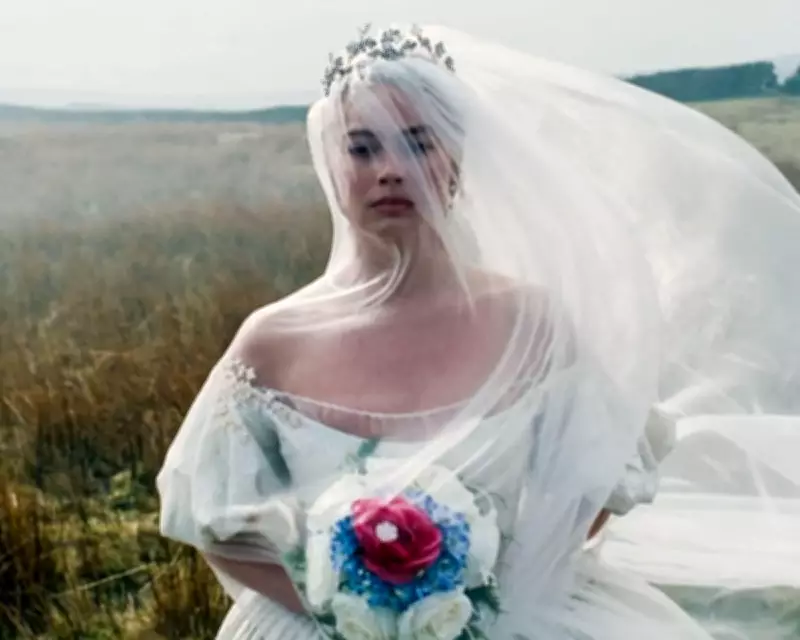
A new cinematic interpretation of Emily Brontë's timeless novel, Wuthering Heights, has captivated viewers and spurred a remarkable resurgence in interest for the original literary work. This film adaptation, released recently, has not only entertained audiences but also served as a powerful catalyst for encouraging people to delve into the classic book that inspired it.
The Impact of Visual Storytelling on Literary Engagement
The film's director skillfully translated the haunting romance and dramatic intensity of Brontë's narrative onto the screen, creating a visually stunning experience that resonates with modern viewers. By bringing the characters of Heathcliff and Catherine to life with contemporary sensibilities, the movie has made the 19th-century story more accessible and emotionally compelling for today's audiences.
Audience Reactions and Reading Trends
Bookstores and libraries across the country have reported a significant increase in requests for copies of Wuthering Heights following the film's release. Many viewers have expressed that watching the adaptation sparked their curiosity about Brontë's original prose and the deeper complexities of the story that might not be fully captured in the cinematic version.

Social media platforms and online reading communities have been buzzing with discussions comparing the film to the novel, with numerous individuals sharing their experiences of reading Wuthering Heights for the first time after being inspired by the movie. This phenomenon demonstrates how film adaptations can serve as valuable gateways to classic literature, particularly for younger generations who might not have otherwise encountered these works.
The Enduring Legacy of Emily Brontë's Masterpiece
Emily Brontë's Wuthering Heights, published in 1847 under the pseudonym Ellis Bell, has maintained its status as one of English literature's most powerful and controversial novels for nearly two centuries. The story's exploration of passion, revenge, social class, and the supernatural continues to fascinate readers and scholars alike.
Why This Adaptation Resonates
This particular film version stands out for its faithful yet innovative approach to the source material. While honoring the novel's Gothic atmosphere and emotional depth, the adaptation incorporates modern cinematic techniques that enhance the story's relevance for contemporary audiences. The casting choices, cinematography, and musical score have all contributed to creating an immersive experience that leaves viewers wanting to explore the original text.
Literary experts note that successful film adaptations often lead to increased academic interest in the source material as well. University courses focusing on Victorian literature and Brontë studies have seen heightened enrollment, with many students citing the film as their initial introduction to Emily Brontë's work.
The Broader Cultural Significance
This resurgence of interest in Wuthering Heights reflects a larger trend where visual media inspires engagement with literary classics. Similar patterns have been observed with other adaptations of classic novels, suggesting that film and television can play a crucial role in keeping important literary works alive in the public consciousness.
The phenomenon also highlights the interconnected nature of different art forms in contemporary culture. A well-executed film adaptation doesn't merely translate a book to screen—it can create a dialogue between the visual and literary interpretations, enriching audiences' understanding and appreciation of both mediums.
As more people discover Wuthering Heights through this cinematic gateway, Emily Brontë's novel continues to prove its timeless relevance, demonstrating that great stories transcend their original medium and historical context to speak to each new generation in meaningful ways.