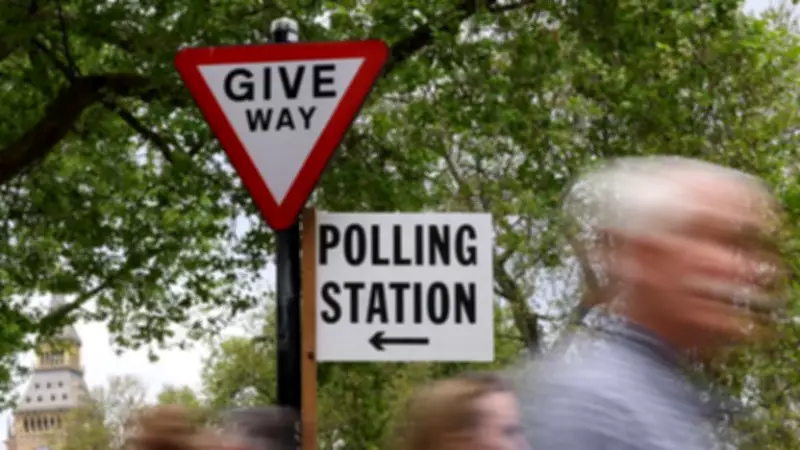
Farage Claims 'Victory' as Councils Face Election Deadline Crunch
Reform UK leader Nigel Farage has declared a "victory for democracy" after the government abandoned plans to postpone 30 local elections, leaving councils in what officials describe as a "race against time" to prepare. The Ministry of Housing, Communities and Local Government announced on Monday that it would no longer proceed with delaying the ballots from May 2026 to 2027, a decision that affects over 4.5 million voters across England.
Legal Challenge Forces Government Reversal
The U-turn came after Reform UK launched a legal challenge against the government, prompting officials to seek legal advice that ultimately led to the reversal. As part of the settlement, the government has agreed to pay Reform's legal fees, reported to be a six-figure sum. Farage asserted that the government had "caved" and suggested that Local Government Secretary Steve Reed's position should be at risk due to the decision.
Elections are now scheduled for 7 May 2026, with a £63 million fund available to assist local councils in reorganizing their structures. Additional "practical support" is also being offered to help manage the tight timeline.

Councils Grapple with Lost Planning Time
The sudden reversal has sparked frustration among election administrators, who have lost critical planning months. Laura Lock, deputy chief executive of the Association of Electoral Administrators, emphasized that teams have "lost months of essential planning time" and now face an uphill struggle to catch up. She noted that planning was paused to avoid unnecessary costs, exacerbating the time crunch.
Affected areas include city councils in Lincoln, Exeter, Norwich, Peterborough, and Preston, as well as districts like Cannock Chase, Harlow, Welwyn Hatfield, and West Lancashire. County council voters in East Sussex, West Sussex, Norfolk, and Suffolk will also see their polling day reinstated.
Political Backlash and Uncertainty
This marks the 15th U-turn by the Labour government since taking power in July 2024, drawing criticism from across the political spectrum. Conservative councillor Richard Wright, chair of the District Councils' Network, expressed bewilderment at the "unrelenting changes to the electoral timetable," warning that councils must now ensure elections proceed smoothly despite the compressed schedule.
Matthew Hicks, leader of Tory-run Suffolk County Council, described the situation as causing "whiplash" for local authorities, making it nearly impossible to plan effectively or provide stability for residents. Meanwhile, Lynn Worrall, leader of Labour-run Thurrock Council, lamented the late reversal as disappointing, adding to the uncertainty surrounding the government's broader devolution and local government reorganization agenda.
As councils scramble to meet the new deadline, the episode underscores ongoing tensions in UK local governance and highlights the challenges of last-minute policy shifts in the electoral process.