The Lost Boys: How Mentorship Programs Are Helping Fatherless Teens
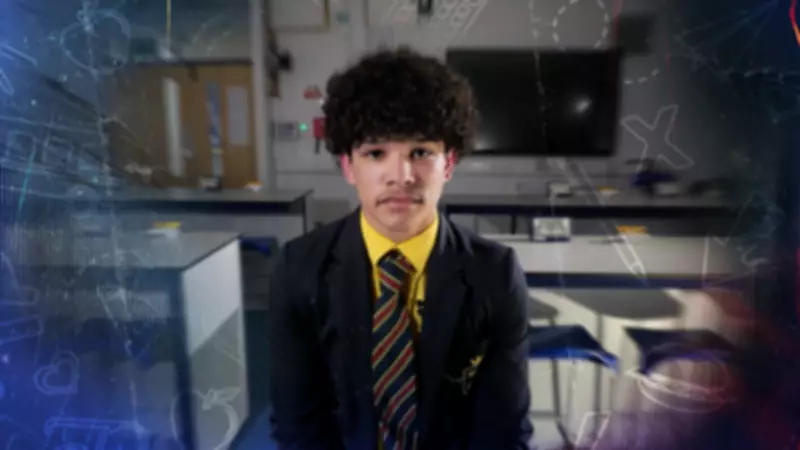
"You feel abandoned almost. It's a hard feeling to describe, but knowing that your own father's not there growing up, you start to question yourself. Am I enough? Am I the problem?" These poignant words come from Raphael, a 15-year-old whose father left home when he was just two years old and has since started a new family abroad.
A Growing National Crisis
Raphael represents one of 2.5 million children across the United Kingdom who lack a father figure, according to the Centre For Social Justice's comprehensive report titled "Lost Boys." The statistics paint a troubling picture of young men falling behind in multiple areas of society. Boys are consistently lagging behind girls in educational metrics from primary school through GCSE examinations.
The situation has worsened significantly since the pandemic, with young men not in employment, education, or training increasing by 40%—a much sharper rise than seen among girls. Perhaps most alarmingly, boys now constitute 98% of the youth prison intake, highlighting a systemic failure in supporting young males through critical developmental stages.

A School's Innovative Response
At Brighton Hill Community School in Basingstoke, headteacher Chris Edwards has launched an ambitious initiative called The GOAT (Greatest Of All The) Boys project. This innovative program aims to create a supportive community of men from all ages and backgrounds to help young boys navigate the complex challenges of modern society.
The inspiration came from multiple sources, including a powerful speech by former England football manager Sir Gareth Southgate, who publicly called for more mentors for boys, stating: "Young men are suffering. They are grappling with their masculinity and their broader place in society."
School leaders were further motivated by the hit television show Adolescence, which prompted the Prime Minister to ask his cabinet: "What do we do as a society to stop young boys being dragged into this whirlpool of hatred and misogyny?"
Personal Stories of Struggle and Resilience
Raphael's experience illustrates the daily challenges faced by fatherless teens. "It's simple things, like when I was learning to do a tie, I was using YouTube," he explains. "That's one of the moments you want to be able to go to a dad. You question yourself or you devalue yourself for something that isn't in or was never in your control."
Another student, 16-year-old Jacob, faced his own crisis when his father suffered a stroke two years ago. "I don't think I'd know what to do without my dad to be honest," Jacob admits. "So him being unwell was hard for me. Boys are expected to not really have much emotion—not really show emotion in school, and not just in school but in general, and that's something that needs to be changed."
Both Raphael and Jacob have found solace and support through the school's mentoring program, which includes counseling sessions and time in the gym with their mentors to "let off steam." This structured support has helped both students get back on track academically and emotionally.
The Challenge of External Influences
Headteacher Chris Edwards acknowledges that not every story has a positive outcome. "We have seen things go wrong," he states frankly. "And that's part of what drives us in that we haven't been able to save them all. We have to accept sometimes that the pull outside of school is too strong for us."
Edwards highlights the particular difficulty of convincing young boys about the importance of passing their GCSEs when "someone outside of school is offering them £500 to do a bit of work at the weekend for an illegal endeavour."
Community Response and Expansion
After running local advertisements seeking mentors, the school organized a launch evening for the GOAT Boys project. Standing in an empty theater half an hour before the event, Edwards confessed his uncertainty: "Let's face it, anything could happen. We're totally reliant on goodwill of people who largely I've never met, coming through that door."
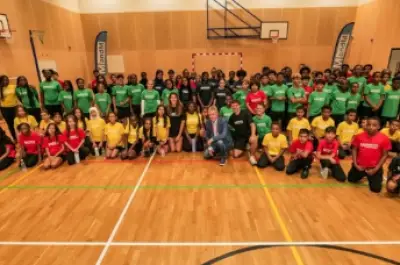
To his relief and satisfaction, more than 50 men from diverse backgrounds—including business leaders, sports coaches, and even the local MP—answered the call. This provided enough mentors for every child selected for the program.

Neal Brand, one of the new mentors and a teacher at another school, captured the collective sentiment: "I think every man should get involved with the youth today, they have nowhere to go, no social clubs, nothing to do. We've got so much to give in this town to give back to them."
A Movement Grows
The success of the initial program has sparked wider interest, with more than 50 other schools already signing up to implement their own versions of the GOAT Boys project. For the solution to be as effective as the problem is pervasive, this grassroots movement must continue to expand.
Raphael offers this advice to other children whose father figures have vanished: "You need to use it as your why. Use that as your reason to push you further. Don't use it as an excuse to not do things, use it a reason why you did things."
As Britain grapples with this growing crisis of fatherless teenage boys, initiatives like the GOAT Boys project offer hope that community-based mentorship can provide the guidance and support these young men desperately need to navigate their way to successful adulthood.