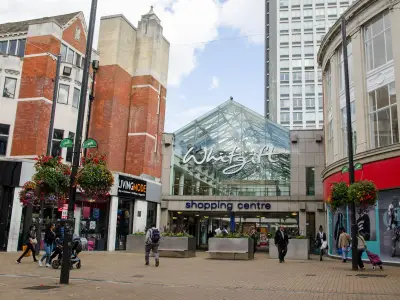
A new study has revealed that two towns within London's commuter belt have been ranked as the worst among Britain's largest urban areas, according to a comprehensive analysis published by The Telegraph. The ranking, which evaluates 25 major towns across the UK, awarded Watford and Crawley a dismal score of just 0.5 out of 10, placing them joint bottom of the list and behind other commuter hubs such as Luton and Reading.
The Commuter Belt Paradox: Excellent Transport Links but Low Appeal
London's commuter belt is renowned globally for its well-developed infrastructure and desirable residential locations, attracting even Hollywood celebrities like George Clooney and Tom Cruise to settle just outside the M25. However, the sheer scale of the region means that some towns inevitably fall short in terms of overall livability and aesthetic appeal.
Watford, situated within the M25 and featuring its own Tube station on the Metropolitan line, offers residents a direct and efficient route into Central London, with National Rail services reaching Euston in under 20 minutes. Similarly, Crawley in West Sussex provides robust transport options, including Three Bridges station for a 30-minute train journey to London Bridge and proximity to Gatwick Airport, which offers the Gatwick Express service for quick access to the capital.

Affordable Housing in the Expensive Southeast
Despite their low rankings, both towns present relatively reasonable house prices for the southeast of England. Data from Rightmove indicates that the average property in Watford costs just under £470,000, while homes in Crawley are priced around £355,000. Additionally, Watford benefits from local attractions such as the Warner Bros Studios' Making of Harry Potter Tour in Leavesden, which draws tourists and supports the local economy.
Why Did Watford and Crawley Score So Poorly?
The Telegraph's critique of Watford centers on its town center, which was transformed in the 1990s into a large shopping complex known as The Harlequin Centre. Although the venue has undergone several name changes and reverted to its original title, the publication highlights a lack of charm and vibrancy in the area. On a positive note, the ranking acknowledges Cassiobury Park as a pleasant spot for walks and mentions a heritage trail that showcases Watford's older sections.
In Crawley's case, the town's history as a small village that expanded due to its strategic location between London and Brighton is noted. However, the primary criticism revolves around its architecture, which The Telegraph describes as boring and lacking character. The report elaborates that Crawley possesses a 'functional, manufactured quality,' with some of its boxy housing appealing only to those who find artistry in utilitarian design and social innovation in communal gardens.
The Broader Implications for Commuter Living
This ranking underscores a significant paradox within London's commuter belt: towns with excellent transport links and affordable housing can still be perceived as undesirable due to factors like urban design and community atmosphere. For potential residents, the findings suggest that beyond connectivity and cost, the quality of local amenities and aesthetic environment plays a crucial role in overall satisfaction.
As London continues to grow and its commuter belt expands, the performance of towns like Watford and Crawley in such studies may prompt local authorities and developers to reconsider urban planning strategies. Enhancing town centers, preserving historical elements, and investing in architectural diversity could be key to improving rankings and attracting more residents in the future.