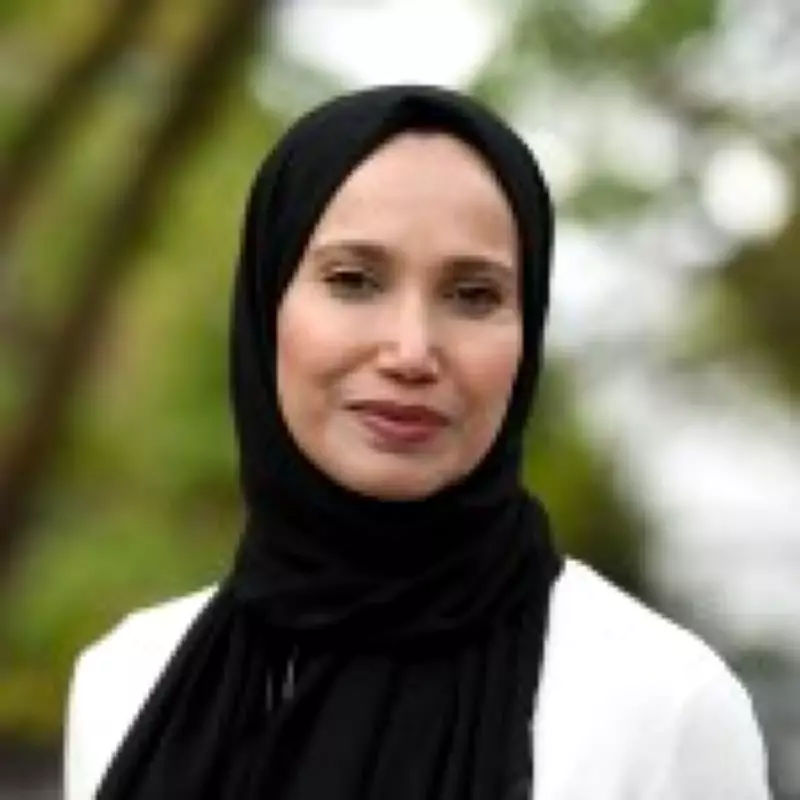
On an unremarkable summer afternoon, while walking along Chatham High Street in London, I became a victim of Islamophobia. I was running errands when a group of children, no older than ten, passed by and shouted, 'Got a bomb under your mop?' I was stunned by their blatant, unashamed racism, yet I did nothing in my defence. Partly, I didn't want to give them the satisfaction of a reaction, but also because, as a visibly Muslim woman, a comeback can be filled with risk.
Instead of responding, I kept going about my day as if nothing had happened. People around me were oblivious as they walked past. I wondered: have we reached a point where incidents like this have desensitised society? This wasn't the first time I'd heard such abuse; sadly, it's part of daily life for Muslim women in Britain. But I fear such slurs are only becoming more visible and brazen.
The Pattern of Abuse and Its Impact
As another Islamophobia Awareness Month draws to a close, I urge people not to stand by in silence when witnessing racially motivated abuse. When you do nothing, this behaviour becomes entrenched in our society, a tacit endorsement passed down through generations. Instead, call it out. Stand up for those being attacked.
We need to create an environment where individuals feel they can speak up against racism without risking personal safety, so they don't have to tolerate it in silence, as I did that day. We must look forward to a time where this mindset is recognised for what it is: ignorant and unacceptable.
Understanding Islamophobia Awareness Month
Islamophobia Awareness Month takes place every November in the United Kingdom. It is a nationwide campaign aimed at raising awareness about Islamophobia and celebrating the contributions of the British Muslim community. The campaign involves events like discussions, lectures, and exhibitions, designed to educate the public about Islamophobia and its societal impacts. Organisations such as Muslim Engagement and Development (MEND) support and promote this initiative.
Islamophobia is rooted in racism targeting expressions of Muslimness or the perception of it. My first encounter happened at age eight. Standing with my mother in a supermarket queue, her sari over her head, we were perplexed when a cashier lifted a packet of pork sausages from our basket. We didn't eat pork, and the staff knew us well. Then, a shop assistant wandered over, and they started sniggering at us. This was no mistake; it was a message: we didn't belong, and they wanted us to feel it.
Escalating Incidents and Societal Complicity
Once I understood my family was seen as 'other,' the racism became more apparent. At 14, during a time when US planes used British airspace to bomb Libya, a bus driver closed the doors in my face and told me to 'Go back to Libya.' I automatically replied, 'I'm not from Libya,' as if that might change something. It didn't. The bus pulled away, and someone else at the stop shouted, 'Kick her a bomb'—a nonsensical slur.
Another time, on a London train, two young men muttered loudly about 'f***ing Islamists,' with one saying, 'They're taking over,' while looking at my hijab. I wanted to snap back but bit my tongue. The worst part was that nobody intervened; passengers looked on awkwardly or pretended not to hear, forcing me to sit quietly until the next stop.
Statistics and Personal Reflections
There is a pattern to this abuse, often spiking when Muslim women are treated as debate topics rather than people. According to 2024 data for England and Wales, 45% of recorded religious hate crime targeted Muslims, with around 85% of victims being Muslim women in public spaces like trains, shops, and universities. I don't see these numbers improving soon.
My daughter, an NHS worker, frequently deals with prejudiced patients who smirk and ask to speak to someone else. My teenage niece had a classmate try to 'protect' her by saying she 'wasn't really Muslim.' Defiantly, my niece affirmed her identity, but I was frustrated her friend saw it as something to hide.
A Changing Britain and Call to Action
The situation sank in last summer after I returned from Bangladesh. Far-right protests spread across Britain, with streets lined with Union Jacks and St George's flags. It broke my heart to see symbols of unity used to signal simmering hostility. My mother held my hand tightly in Kent, nervous beneath rows of flags. I reminded her it was 'our flag too,' but at times, it's easy to forget.
I didn't tell anyone about the Chatham High Street incident, but I was affected by the words and, more so, by the fact they came from children. That's why Islamophobia Awareness Month matters: perpetuating racist ideology is unacceptable, and we all have a role in stamping it out.
Institutional Responsibilities
Change isn't just individual responsibility. The media must stop treating Muslimness as shorthand for danger. Schools need to take Islamophobia as seriously as other bullying. Public transport must enforce meaningful policies against abuse. Workplaces must examine why some are constantly overlooked or passed over.
If we ignore slurs and allow institutions to turn away quietly, the message remains: our presence is a problem, when really, it's nothing of the sort. Let's work together to end this cycle of silence and discrimination.