The Two Ronnies' Dystopian Vision: A Legacy from Joe Orton's Lost Beatles Script
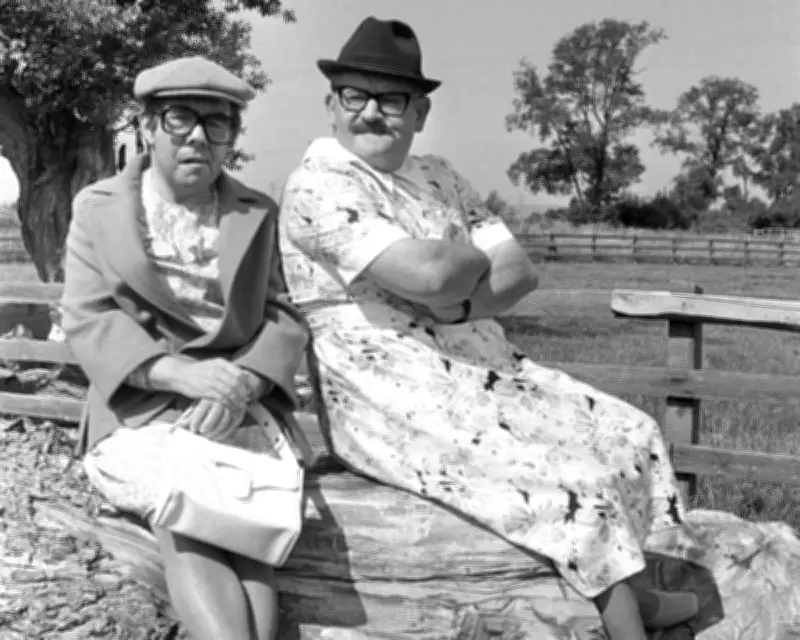
The iconic British comedy duo The Two Ronnies, featuring Ronnie Corbett and Ronnie Barker, are celebrated for their timeless sketch series, but one of their most memorable creations—The Worm That Turned—has deeper historical roots than previously acknowledged. While filming on location at Berkeley Castle in Gloucestershire, the pair brought to life a matriarchal dystopia, yet this concept was not original to them.
Joe Orton's Pioneering Screenplay for The Beatles
Long before The Two Ronnies explored a world run by women, playwright Joe Orton had already delved into similar themes with his screenplay Up Against It, written in 1967 specifically for The Beatles. This groundbreaking work, which presented a satirical and dystopian narrative, was ultimately rejected by the legendary band before Orton's untimely death later that year. Despite this rejection, Orton's vision left an indelible mark on comedic and dystopian storytelling.
The screenplay's influence persisted through adaptations, including a 1997 Radio 3 production by John Fletcher, which was recently repeated on Radio 4 Extra last month. This revival highlights the enduring relevance of Orton's work and its connection to later comedic explorations of gender and power dynamics.

Broader Cultural and Political Reflections in Letters
Beyond the realm of comedy, the discussion extends to pressing global and political issues. A recent report has sparked debate by exposing the real cost of prioritizing war-readiness over human survival, particularly in the context of US spending on Iran. Critics argue that redirecting these funds could save millions of lives, urging the public to reconsider the very definition of security that fuels such conflicts.
In the political arena, Shabana Mahmood's blunt exhortation to white liberals has ignited controversy, with some responding by distancing themselves from Labour and seeking parties that champion equality and solidarity over bigotry. This exchange underscores the ongoing tensions within political discourse and the search for inclusive representation.
Linguistic Humor and Regional Insults
Adding a lighter note, the appreciation for regional insults remains vibrant, with favorites like "spawny-eyed wazzock"—popularized by Yorkshire comedian Tony Capstick in the early 1980s—showcasing the rich tapestry of British humor. These linguistic quirks continue to entertain and connect audiences across generations.
Overall, the intersection of comedy, history, and politics reveals how creative works like Orton's screenplay and The Two Ronnies' sketches not only entertain but also reflect and influence broader societal conversations, from dystopian fantasies to real-world security dilemmas.