Claudia Winkleman's New BBC Chat Show Premieres Amid Talk Show Evolution Debate
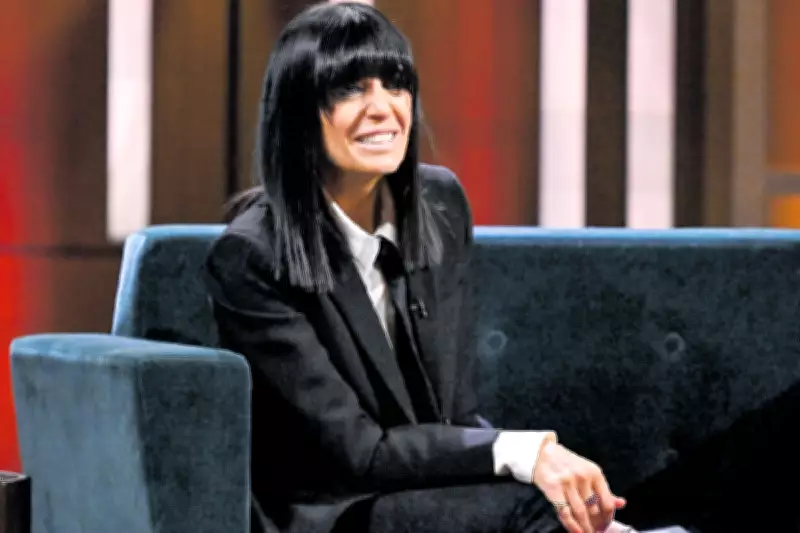
Last Friday marked the debut of The Claudia Winkleman Show on BBC, featuring an amiable lineup of guests including Jeff Goldblum, Jennifer Saunders, Vanessa Williams, and Tom Allen. Winkleman, who announced her departure from Strictly Come Dancing hosting duties last October, brought her signature likeable and down-to-earth manner to the screen, appearing winningly nervous in her new role. The BBC, keen to retain the bankable star after her exit from the still-popular dance competition that attracts over seven million viewers, revealed plans for this celebrity chat show in December as a strategic move to keep her within their broadcasting fold.
The Changing Landscape of British Talk Shows
The chat show format presents a unique challenge in television, requiring an unquantifiable alchemy of the host's personality, guest quality and character, their dynamic interaction, and an elusive atmospheric element. Historically, the BBC has maintained a blue-riband salon des arts with The Graham Norton Show, now in its twentieth year and attracting approximately three million viewers with recent guests like Taylor Swift and Jacob Elordi, though it only runs from September to March annually.
Many television critics and enthusiasts point to the late Michael Parkinson as representing the acme of British talk shows. His eponymous program, broadcast from 1971-1982 and again from 1987-2007, benefited from a less content-saturated era where celebrities like James Cagney, Bette Davis, Fred Astaire, and James Stewart maintained more mystery about their personal lives. Paradoxically, it was also a freer age, exemplified by Orson Welles telling Parkinson in 1973 to discard prepared questions in favor of spontaneous conversation, and Muhammad Ali dominating a 1974 interview with thunderous pronouncements about boxing rivals, his Muslim faith, and racial dynamics.
The Modern Talk Show Dilemma
The balance of power in contemporary talk shows has shifted significantly, with today's interviewers often appearing more transactional and biddable compared to their predecessors. While different hosts have always had distinct styles—nobody would confuse Terry Wogan's approach with John Freeman's Face to Face—the host's personality now dominates as the show's primary motif. In Winkleman's case, guests are expected to fit into her charming shtick of larky self-deprecation, reminiscent of a friendly head girl who keeps proceedings moving while winking at harmless rule-breaking.
Modern television executives operate in constant fear of losing audience attention, adhering to principles that avoid challenging, contradicting, or surprising viewers too much, and certainly never outstaying their welcome. This cautious approach reflects broadcasters' belief in short, frangible attention spans, though behavioral science experts like Ogilvy's Rory Sutherland argue that attention spans have actually polarized rather than diminished, with people demonstrating extraordinary focus on subjects that genuinely interest them.
Industry Cautionary Tales and Contemporary Challenges
The television industry maintains cautionary tales about talk show failures, most notably 1993's The Chevy Chase Show, which Fox cancelled after just five weeks despite paying the comedian $3 million as his popularity waned. One critic savaged "whatever pitiful chatter Chase is attempting to wring out of a luckless guest," highlighting the format's inherent difficulties.
Today's technological landscape presents both opportunities and challenges. With virtually no technological restraints limiting content creation—if broadcasters can imagine it, they can probably produce it—and audience demands growing more diverse, the traditional talk show model faces unprecedented competition. Podcasts, which began as intimate audio experiences creating shared connections with listeners, now increasingly incorporate video elements, blurring the lines between podcast and talk show formats.
The Claudia Winkleman Show represents a safe, comfortable approach that does nothing particularly new or distinctive, potentially constrained by the BBC's fussy social media guidelines in an era where clipping content for online distribution reigns supreme. While the show is perfectly fine and watchable, in the innovative media landscape of the 2020s, where platforms like TikTok coexist with lengthy podcasts like The Joe Rogan Experience (averaging two hours and thirty-nine minutes per episode), "fine" may no longer suffice. Mainstream broadcasters like the BBC continue operating on decades-old models designed to create comfortable experiences for hypothetical average viewers, failing to recognize that this mythical average viewer doesn't actually exist in today's fragmented media environment.