Question Time's Reform UK Controversy Sparks Debate Over Toxic Entertainment
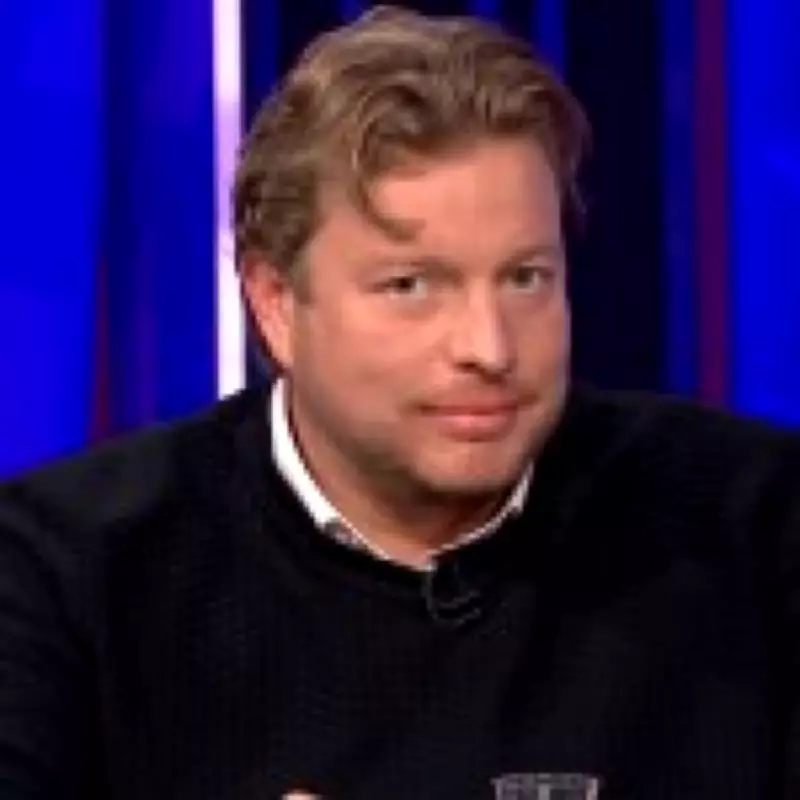
In a recent episode of BBC's Question Time filmed in Clacton-on-Sea, panelist Thomas Skinner declared, 'What I don't like about social media is it's always about dividing people. I try and spread a bit of positivity and a bit of love, you know.' However, this statement was quickly contradicted by evidence of his own divisive behavior on social media.
Hypocrisy Exposed on Social Media
Shortly after the broadcast, X user @NFFC_owen revealed that just one month earlier, Skinner had sent a message to Green Party politician Zack Polanski calling him a 'bellend.' This was in response to a Green Party campaign video dubbed in Bangla for Bangladeshi communities, following a previous Urdu version. Skinner's reply read, 'Zach. Put it in any language you want. You're still a massive bell end who ain't got a clue about the real world.' This stark contrast between his on-air persona and online conduct raises serious questions about his credibility.
Questionable Platforming Decisions
Many viewers expressed bafflement at Question Time's decision to platform Skinner, given his controversial background. In 2011, he was convicted of handling £40,000 in stolen goods and possessing 2,000 diazepam tablets. Additionally, his business, the Fluffy Pillow Company, allegedly obtained a £50,000 COVID-19 bounce back loan in 2020 that was never repaid. Skinner, who recently joined the hard-right political party Reform UK, also previously attempted to sue the BBC after being voted off Strictly Come Dancing early in the competition.
During the Clacton episode, Skinner lamented the plight of the working class, discussing how people struggle to afford 'a pint of beer' or 'take their kids to the football.' Ironically, he was paid £2,000 for his appearance, while growing up in a house that sold for £2.5 million in 2017 and attending a prestigious Brentford private school.
Producer Defends Show Amid Criticism
The controversy extends beyond Skinner. In 2020, after a racist row erupted on Question Time, a producer invited the author to be a panellist. The author responded critically, stating, 'The show essentially aired and normalised racism. It's not something that should be debated,' and expressed concern that control was slipping into the hands of fascists. The producer replied, 'I'd like to reassure you that the whole team makes every effort to make QT a safe and welcoming space for everyone, regardless of background. We also endeavour to reflect the diversity of the nation as a whole in our panels and audiences across the series.'
Farage Defense Raises Eyebrows
Earlier on the day of the Clacton episode, Reform UK leader Nigel Farage claimed on X that he was unable to appear on Question Time because he wasn't allowed to attend an episode filmed in his constituency. Labour MP Mike Tapp questioned this, noting he had appeared on the show in his Dover constituency. In an unusual move, Question Time's official account defended Farage on social media, explaining, 'There is a longstanding policy on Question Time not to invite MPs on in their local constituencies unless it's for a single-issue special programme. This is why Mike Tapp MP appeared on the panel in his constituency for the immigration special in Dover.'
Farage, known for his divisive stances on immigration, has appeared on Question Time nearly 40 times since 2000. The show's rapid and enthusiastic defense of him alarmed many observers, who noted this was unprecedented behavior for the program.
Credibility Crisis for Long-Running Show
These incidents highlight a growing credibility crisis for Question Time. The show, which aims to facilitate political debate, increasingly appears to platform hateful speech under the guise of entertainment. By paying £2,000 to a convicted criminal like Skinner while claiming to promote positive discourse, and by vigorously defending a controversial figure like Farage, the program undermines its own stated values of impartiality and diversity.
In today's politically polarized climate, where accusations of bias are common, Question Time's actions suggest a troubling shift. Rather than fostering genuine debate, it risks normalizing vitriol and providing a platform for those who spread division. Many are now calling for a complete overhaul of the show, arguing that public funds could be better allocated than lining the pockets of controversial figures. The Reform UK controversy serves as a stark reminder that entertainment should not come at the expense of ethical journalism and meaningful political discourse.