The Critical Challenge for Labour's New Ofcom Leadership
As the selection process for the new chair of media regulator Ofcom enters its final phase, the Labour government faces a defining test of its commitment to reforming Britain's distorted media landscape. The appointment will reveal whether the administration possesses the political will to enforce broadcasting impartiality laws that have been systematically undermined, particularly by the blatantly partisan GB News channel.
Two Contenders for a Pivotal Role
Two reported frontrunners embody contrasting approaches to media regulation. In the blue corner stands Conservative MP Jeremy Wright, former attorney general and digital secretary, who authored a white paper on online harms and advocates for better implementation of existing legislation. While a reasonable choice for a Conservative government, his appointment would signal continuity rather than the radical reform many believe necessary.
In the red corner is Dame Margaret Hodge, whose tenure as chair of the public accounts committee saw her relentlessly pursue tech giants over tax avoidance and monopolistic practices. Her famous confrontation with Google executives, where she declared "I think you do do evil" regarding their then-motto "Don't be evil," demonstrates the fearless approach needed to shake up what critics call Ofcom's complacent culture.
GB News: The Impartiality Law's Greatest Challenge
The most pressing task awaiting the new chair involves addressing Ofcom's abysmal failure to prevent GB News from effectively becoming "Reform News," contrary to every intention and spirit of broadcasting impartiality legislation established in 1954. This transformation requires exceptional regulatory bravery and political resolve to confront.
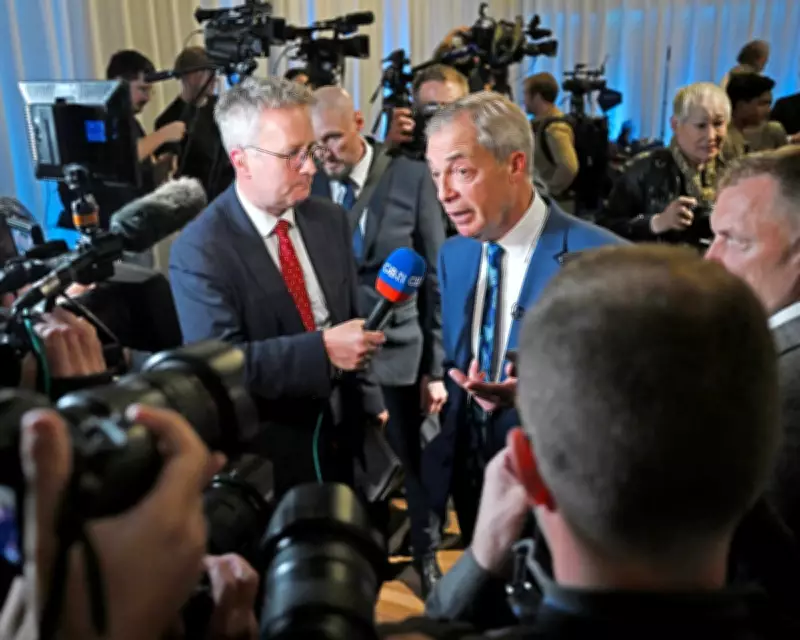
Imagine the conservative outrage if Labour sanctioned a left-wing equivalent featuring George Galloway as its main nightly presenter, funded by a benefactor founder paying large sums to far-left commentators, with programming focused exclusively on radical tropes. Yet GB News operates precisely this model from the right, featuring Nigel Farage, Matt Goodwin, Lee Anderson, and other Reform UK figures while frequently facing accusations of violating accuracy and impartiality rules.
Documented Failures and Regulatory Abdication
A comprehensive investigation by Alan Rusbridger published in the New World reveals disturbing findings. A twenty-strong team of senior journalists from across the political spectrum studied GB News programming and scored compliance with Ofcom's code at just 1.5 out of 5. Particularly notorious was Bev Turner's interview with Donald Trump, where she praised his "truth bombs" about climate change being a hoax without challenging these claims.
Even Andrew Neil, whose conservative credentials are well-established, found GB News excessive, departing early after discovering assurances it wouldn't become "Fox News UK" proved false. "They really did want a kind of Fox News," Neil observed. "They were above all rabid Brexiteers, and that still motivated them. They worshipped the ground that Nigel Farage walked on."
Historical Context and Democratic Consequences
Broadcasting impartiality law was specifically designed in 1954 as commercial broadcasting arrived, preventing it from following the politically driven newspaper model that has long dominated British life. The law successfully prevented Rupert Murdoch from "Foxifying" Sky News, making Ofcom's failure with GB News particularly perplexing and concerning.
This regulatory abdication has profound democratic consequences. The Brexit referendum demonstrated how right-wing media can shape national discourse, with the OECD now showing how Brexit has gouged approximately £100 billion from UK GDP. Yet Britain continues to ignore its distorting media ownership patterns as if they were merely unpleasant weather rather than fundamental threats to democratic integrity.
The Stakes for British Democracy
The BBC and licensed broadcasters traditionally provided Britain's main defence against media distortion through impartiality requirements. Ofcom's failure to enforce these standards with GB News represents a dangerous democratic deficit. Rusbridger's forensic analysis, submitted to Lisa Nandy and the culture committee, should galvanize public scrutiny and complaints.
As Polly Toynbee argues, this is no time for Labour to appease Tory press critics through overly cautious appointments. The government must select a chair with sufficient grit to enforce both the letter and spirit of broadcasting law. With Margaret Hodge described as "fearless and tough" and exactly the person needed to "take on this sleeping regulator and shake it up," the decision will reveal whether Labour possesses the political courage to remedy Britain's twisted media landscape.