Dame Jenni Murray: The Voice That Transformed Women's Radio
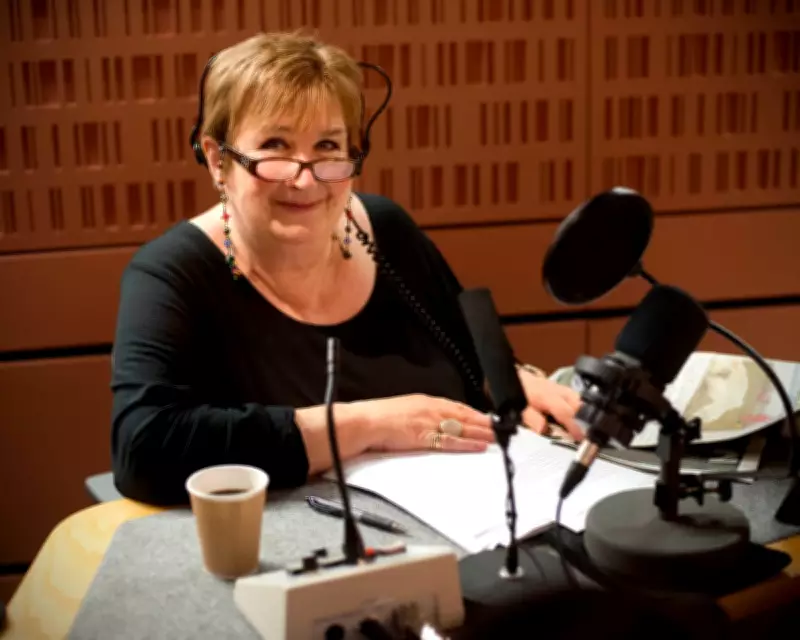
Dame Jenni Murray, the pioneering broadcaster who served as the longest-running presenter of BBC Radio 4's iconic Woman's Hour, has passed away at the age of 75. For an impressive 33 years, from 1987 to 2020, Murray brought her distinctive calm authority and intellectual rigor to the weekday show, fundamentally reshaping its content and cultural impact.
From Domestic Tips to Feminist Platform
When Woman's Hour first launched in 1946, its programming primarily focused on traditional domestic topics like cooking advice, cleaning tips, and romantic serials. Under Murray's transformative leadership, the show evolved into a vital platform for discussing previously taboo subjects including menopause, domestic violence, female genital mutilation, and sexual politics. By 1996, the Sunday Times was describing the program as "Radio 4's sisterhood of the airwaves," a testament to Murray's revolutionary approach.
Fearless Interviewing Style
Murray became renowned for her fearless and thoughtful questioning of guests, who ranged from politicians and film stars to authors, poets, chefs, gardeners, lawyers, and anxious parents. Her 1990 interview with Prime Minister Margaret Thatcher, conducted during Thatcher's final broadcast interview as leader, exposed profound ideological differences between Murray's feminist advocacy for government-supported childcare and Thatcher's individualistic approach to gender equality.
"It was the first time in her entire political career I ever heard her say: 'I don't know,'" Murray later recalled of the exchange. "She was not expecting this and she floundered." This moment exemplified Murray's ability to challenge even the most powerful figures with intelligent, prepared questions.
Controversial Moments and Personal Revelations
Murray's interview technique remained consistently probing throughout her career. When former Conservative MP Edwina Currie revealed her affair with colleague John Major in 2002, Murray began their conversation by listing the insults hurled at Currie before questioning the ethics of the relationship and its impact on Major's wife. Similarly, she challenged Labour culture secretary Tessa Jowell in 2006 about feminist principles regarding financial independence.
Beyond politics, Murray shared deeply personal experiences with her audience, discussing her menopause journey in her 2001 book Is It Me, Or Is It Hot in Here? and revealing her breast cancer diagnosis in 2006. She later spoke openly about her weight-loss surgery in 2015, creating an unprecedented intimacy between presenter and listeners.
Early Life and Career Development
Born Jennifer Susan Murray in Barnsley, West Riding of Yorkshire in 1950, she was the only child of Win Jones, a civil servant and avid Woman's Hour listener, and Alvin Bailey, an electrical engineer. Her mother sent her for elocution lessons at age five to modify her Yorkshire accent, though Murray would later celebrate her working-class roots.
After studying French and Drama at Hull University, where she worked holidays at a Findus factory, Murray recalled learning "more about feminist politics from the fishwives of Hull than I ever did from The Female Eunuch." This early exposure to working women's realities shaped her broadcasting philosophy.
Her media career began at BBC Radio Bristol in 1973, progressing through television roles at BBC South and Newsnight before joining Woman's Hour full-time in 1987. Throughout this period, she maintained her connection to the program by hosting Friday editions from Bristol.
Awards, Books, and Personal Life
Under Murray's leadership, Woman's Hour won the Television and Radio Industries Club's award for best radio programme in 2004, while Murray herself received two prestigious Sony awards in 2010 and 2011. Her television work included the BBC's Everyman documentary series, where she tackled difficult subjects like spousal loyalty to criminals, child abuse, and victim perspectives on heinous crimes.
Murray authored several books including The Woman's Hour: 50 Years of Women in Britain (1996) and Votes for Women!: The Pioneers and Heroines of Female Suffrage (2018). She was appointed OBE in 1999 and made a Dame in 2011 for services to broadcasting.
In her personal life, Murray married fellow student Brian Murray in 1971, divorcing seven years later. She later married long-term partner David Forgham in 2002, with whom she had two sons. Forgham left the navy in the late 1980s to assume primary parenting responsibilities, enabling Murray to focus on her groundbreaking career.
Later Controversies and Legacy
In 2017, Murray faced significant criticism for a Sunday Times Magazine article questioning whether transgender women could describe themselves as "real women." While stating she was not "transphobic or anti-trans," her arguments about shared female experiences and single-sex spaces sparked immediate backlash. The BBC subsequently warned her about maintaining impartiality on controversial topics covered by her programs.
By 2020, when she left Woman's Hour, Murray wrote in the Daily Mail about feeling "cancelled" and restricted by "the leash" of recent years. Her final episode concluded with Helen Reddy's feminist anthem I Am Woman, a fitting tribute to her three-decade contribution to women's broadcasting.
Dame Jenni Murray is survived by her husband David and their two sons, Edward and Charlie. Her legacy as a fearless interviewer who transformed a domestic program into a platform for serious feminist discourse remains unparalleled in British broadcasting history.