The Network That Changed Television Forever
"It's not TV. It's HBO." This bold tagline from 1996 marked the beginning of a revolutionary era in television entertainment. What began as a hollow-sounding brag transformed into reality as HBO redefined what television could be, creating a new standard for quality programming that would influence the industry for decades.
From Cable Service to Cultural Powerhouse
Founded in 1972 as a subscription service offering films and sports, HBO faced growing competition by the late 1980s. The network's response was to invest in original, made-for-TV content that would establish its unique niche. This strategic shift would ultimately change television history.
Casey Bloys, current HBO Max chairman and CEO, recalls the network's golden era with fondness. "I was lucky," he says. "I grew up in that environment where it was really about the creative and about asking ourselves whether things felt special and interesting."
The Golden Age of Television
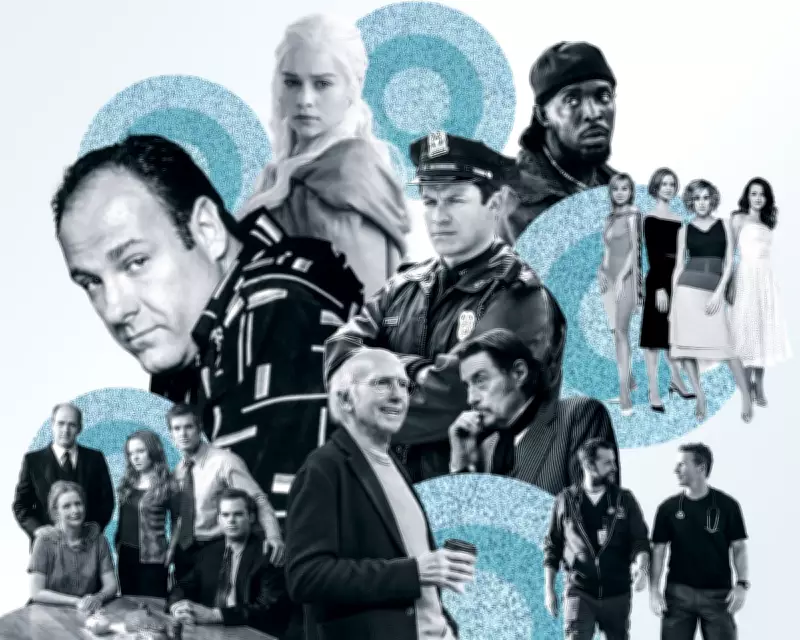
The late 1990s and early 2000s witnessed an unprecedented flowering of television excellence at HBO. Shows like The Larry Sanders Show, Oz, Sex and the City, The Sopranos, The Wire, Six Feet Under, Curb Your Enthusiasm, and Deadwood established HBO as the gold standard for television drama and comedy.
Alan Ball, creator of Six Feet Under, remembers HBO's unique approach to creative development. "Their one note after I gave them my first draft was: 'We really love this. But it feels a little bit safe. Could you make the whole thing a little more fucked up?'" This willingness to embrace challenging, unconventional content set HBO apart from traditional broadcast networks.
A Creative Sanctuary for Mavericks
HBO became a refuge for writers and showrunners who might not have found a home elsewhere. David Simon, creator of The Wire, presented the network with a "show bible" outlining his ambitious vision for exploring "the American city and even the American experiment."
The network's commitment to creative freedom extended to casting decisions. Alan Poul, producer and director of Six Feet Under, recalls a pivotal moment with The Sopranos: "They did a focus group with The Sopranos pilot and it got horrendous reactions. Chris [Albrecht] was faced with the choice of tinkering with it or just putting it on as it was. And he went with the latter. That single decision changed the face of television."
The Streaming Revolution and New Challenges
As HBO Max launches in the UK this month, the television landscape has transformed dramatically. The streaming revolution that HBO helped inspire now presents the network with its greatest challenge. With Paramount's planned acquisition of Warner Bros Discovery, which owns HBO, questions arise about whether HBO can maintain its distinctive identity.
British screenwriter Jack Thorne notes the changing environment for new talent. "New talent isn't being trusted in the same way as it used to be," he observes. "A great idea is a great idea. That's why Baby Reindeer is so important, I May Destroy You, Fleabag - giving singular people the opportunity to pursue a singular vision will sometimes lead to the extraordinary."
The Changing Face of Television Production
The industry consolidation presents significant challenges for creative risk-taking. Alan Poul expresses concern about the current landscape: "The consolidation that is happening within the industry means fewer buyers. And that means fewer shows being bought. And that means it is harder and harder for creatives to sell high-end scripted drama. It's the most difficult period I have experienced."
HBO's current flagship show, The Pitt, represents something of a throwback to the network's golden era approach. The hospital drama follows a traditional, open-ended format that would have been familiar to HBO executives two decades ago, yet it arrives at a time when the industry faces unprecedented consolidation and political pressures.
Political Pressures and Industry Consolidation
The potential Paramount acquisition brings additional complications. Paramount's leadership has shown increasing alignment with Donald Trump's political positions, creating potential conflicts for a network that has frequently embraced polemical content. This political dimension adds another layer of complexity to HBO's future direction.
Casey Bloys maintains that HBO's creative philosophy remains unchanged despite these challenges. "To this day, we don't test things," he asserts. "We don't do research about what sorts of shows we should make or what talent we should work with. It's never been something that HBO has relied on. For me, it's just been: 'Is this a good show? Do we like it? Does it feel different?'"
The Future of Prestige Television
As the streaming wars intensify and industry consolidation continues, HBO faces its most significant test since its transformation began in the 1990s. The network that pioneered prestige television must now navigate a landscape it helped create, where numerous platforms compete for viewers' attention with high-quality content.
The question remains whether HBO can maintain its distinctive creative voice while operating within a much larger corporate structure. As the network expands internationally with HBO Max's UK launch, it carries with it both the legacy of its revolutionary past and the uncertainty of its future in an increasingly consolidated media landscape.
What began as a cable network's ambitious tagline has become a defining question for the entire television industry: In an age of streaming giants and corporate mergers, can the spirit that made HBO "not TV" survive and thrive?