Global Broadcasters Demand EU Regulate Tech Giants' Smart TV Dominance
In a significant escalation of the ongoing battle over digital content distribution, the world's largest broadcasters have formally urged European Union authorities to apply their most stringent regulatory framework to technology corporations controlling smart television operating systems. The Association of Commercial Television and Video on Demand Services in Europe (ACT), representing industry heavyweights including Canal+, RTL, Mediaset, ITV, Paramount+, NBCUniversal, Walt Disney, Warner Bros Discovery, Sky, and TF1 Groupe, has dispatched a critical letter to EU antitrust chief Teresa Ribera.
The Gatekeeper Argument
The broadcasters' coalition argues that technology behemoths Google, Amazon, Apple, and Samsung have established unprecedented control over the fundamental operating systems powering modern smart televisions and integrated voice assistants. This dominance, according to the letter obtained by Reuters, effectively transforms these corporations into digital gatekeepers with the power to funnel millions of viewers toward specific content while marginalizing competing offerings.
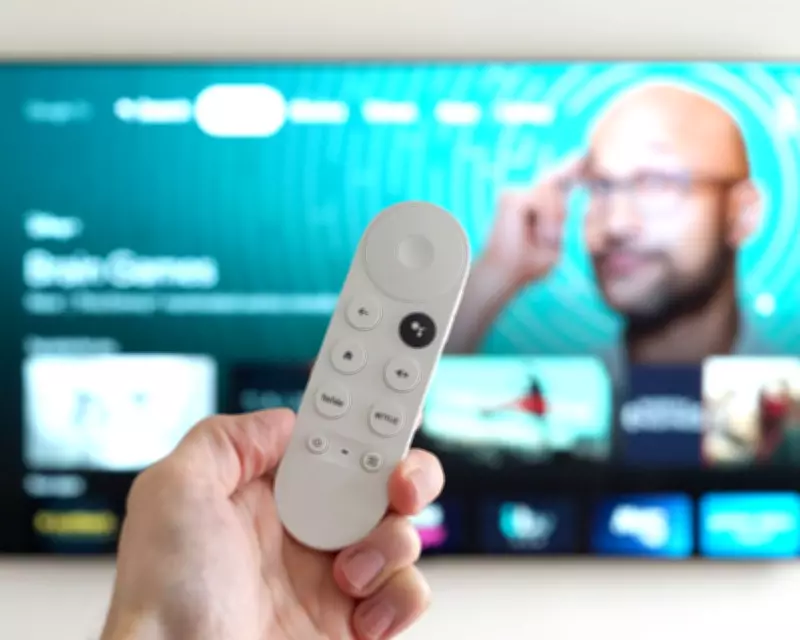
Services such as Google TV and Amazon's Fire TV incorporate sophisticated recommendation algorithms and search functionalities that inherently prioritize certain programming over alternatives. These systems, embedded directly into the hardware and software ecosystems of countless smart TVs, possess the growing ability to shape outcomes for millions of users and businesses by controlling critical access to vast audiences and dictating the terms of content distribution.
Call for Regulatory Intervention
The ACT letter explicitly calls upon the European Commission to designate major television operating systems as gatekeepers under existing EU digital market regulations. The broadcasters emphasize that adequate oversight is crucial to guarantee fairness and contestability within the rapidly evolving media landscape. They contend that without regulatory intervention, a limited number of powerful operators will continue to consolidate control, potentially stifling competition and limiting consumer choice.
Google, Amazon, Apple, and Samsung have been approached for comment regarding these allegations. Their responses, or lack thereof, will likely factor into the EU's forthcoming deliberations.
Broader Context of Transatlantic Tensions
This formal request from broadcasters arrives amid heightened geopolitical and regulatory friction between European authorities and the United States, particularly concerning the governance of American technology conglomerates. The Trump administration has previously characterized certain EU regulatory actions as discriminatory against US companies, setting the stage for a series of contentious disputes.
Recent months have witnessed Brussels preparing to intensify enforcement of its core anti-competition statutes. In early February, the EU threatened action against Meta for allegedly blocking rival AI chatbots from its WhatsApp business platform, accusing the company of abusing its dominant market position—a charge Meta vehemently denied.
Furthermore, EU antitrust chief Ribera indicated that a decision is imminent regarding whether Google's search engine practices violate the EU's Digital Markets Act, following an investigation initiated in 2024. The regulatory landscape became even more complex in December when the US imposed sanctions on former European commissioner Thierry Breton and four other European figures, accusing them of censorship—a move widely interpreted as retaliation against European tech platform regulations. The European Commission has announced it will legally support Breton as he challenges these sanctions.
The broadcasters' appeal underscores a pivotal moment where traditional media powerhouses are seeking regulatory leverage against the platform dominance of Silicon Valley, setting the stage for a decisive confrontation over the future of television content distribution and digital market fairness in Europe and beyond.