The BBC's Most Innovative Thriller Is Being Let Down by Its Own Network
For the past three weeks, whenever someone asks what I'm watching, my answer has been an enthusiastic torrent of praise for The Capture. I've been evangelizing about this BBC thriller to anyone who will listen, assuming friends would confirm they're equally hooked. Instead, I'm met with blank stares. And I believe the BBC itself is to blame for this disconnect.
A Slow-Burning Success That Never Broke Through
When The Capture first launched in 2019, it built momentum gradually as a slow-burning success. Its debut series eventually attracted more than five million viewers—a remarkable achievement for any new thriller. The show also launched the career of Callum Turner, who received a BAFTA nomination for his performance and has since been hotly tipped as a potential next James Bond.
Despite this early promise, The Capture never quite penetrated the cultural conversation in the way it deserved. With the same level of hype afforded to shows like Line of Duty or the recent return of The Night Manager, this series could have become a genuine water-cooler phenomenon capable of sparking intellectual debate. Instead, it has remained strangely under-discussed, maintaining a shrinking but loyal following despite being more relevant now than ever.
A Premise That Became Reality
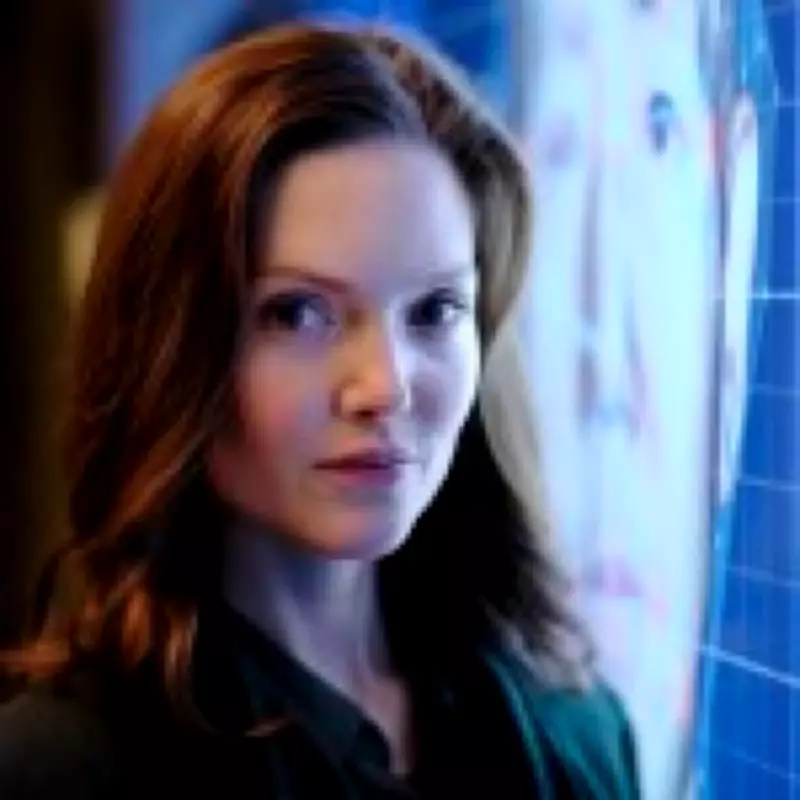
Starring Holliday Grainger as the abrasive detective Rachel Carey, The Capture centers on an alarmingly plausible premise: a world where technology can manipulate CCTV and digital evidence so convincingly that truth itself becomes unreliable. Politicians, soldiers, civilians—no one is safe from being framed through fabricated evidence.
Seven years ago, this concept seemed far-fetched to many, with the idea of doctored footage becoming indistinguishable from reality dismissed by some as absurd. Today, deepfakes are everywhere—from TikTok to political misinformation—and the notion that video evidence can no longer be trusted has transitioned from fiction to daily reality. This is what makes The Capture so extraordinary: it hasn't just kept up with the zeitgeist—it predicted it.
Evolution of a Chilling Concept
When it seemed there was nowhere left for the show to go, its second series pushed the chilling concept even further, depicting falsified live broadcasts used to manipulate public opinion and elections. It was at this point that The Capture arguably became television's most innovative thriller.
Now in its third season, currently airing Sundays on BBC One, the show is firing on all cylinders and has never been better. The opening episode presented a disorienting scenario where Carey witnesses a shooting, only for the man she saw pull the trigger to later become her colleague. This development challenges the very eyewitness account that has guided viewers since the beginning, creating the most unsettling thriller experience in recent memory.
Disappointing Viewership Despite Critical Excellence
Yet people simply aren't talking about it. Overnight viewing figures have been undeniably disappointing, with the first episode drawing just 1.84 million viewers on launch night. While this number will inevitably climb with streams on iPlayer, it falls well below the viewership expected for a primetime Sunday night thriller. For comparison, the last series of Line of Duty—which returns this year—averaged 16 million viewers per episode in 2021.
The show isn't losing viewers due to deficiencies in writing, acting, or ambition, but rather because of how it's being positioned. Every Sunday morning, a new episode quietly launches on iPlayer before the main broadcast at 9pm on BBC One. Instead of benefiting from this Netflix-style drop, the series would gain more traction through a collective live viewing experience accompanied by social media chatter.
A Pattern of Underpromotion
Last night's installment represented a monumental moment for longtime fans, yet there was barely a whisper online dissecting its jaw-dropping twist. This pattern mirrors another BBC misstep earlier this year with the highly anticipated and brilliant adaptation of Lord of the Flies by Jack Thorne. Despite being an absolute triumph, all episodes were quietly released on iPlayer one Sunday morning ahead of transmission, causing the show to be largely forgotten as ratings dropped by nearly one million.
More than ever, The Capture is a series that should dominate the national conversation. It deserves dissection on breakfast television, debate in Parliament, and recognition during awards season. Instead, it's quietly slipping under the radar, inevitably heading toward cancellation as viewing figures continue to decline.
The Marketing Disparity
There appears to be minimal effort to elevate The Capture to the same league as other jewels in the BBC's thriller crown. At the time of writing—the morning after the latest episode aired—the show trails behind both EastEnders and The Other Bennett Sister (which has been available for over a week) on iPlayer's top 10 list.
While these competitors include a 40-year-old juggernaut and a production that received substantial BBC promotion, the contrast in buildup between The Capture and shows from Jed Mercurio (creator of Line of Duty, Trigger Point, and Breathtaking) is stark. Mercurio's productions ensure anticipation builds months in advance, with every twist becoming headline news.
Granted, Mercurio brings established name value, but The Capture is now three seasons in with significant critical acclaim. Its title alone should be sufficient for the BBC to cultivate an equally substantial following through proper marketing support.
The Real Mystery
The Capture isn't just good television—it's the smartest, most forward-thinking thriller the BBC has ever produced. The real mystery isn't within the show's plot but rather why the BBC continues to neglect treating it as the cultural phenomenon it clearly deserves to be. As deepfake technology becomes increasingly pervasive in our daily lives, this series offers both entertainment and essential commentary on contemporary reality, making its underpromotion all the more perplexing and unfortunate.