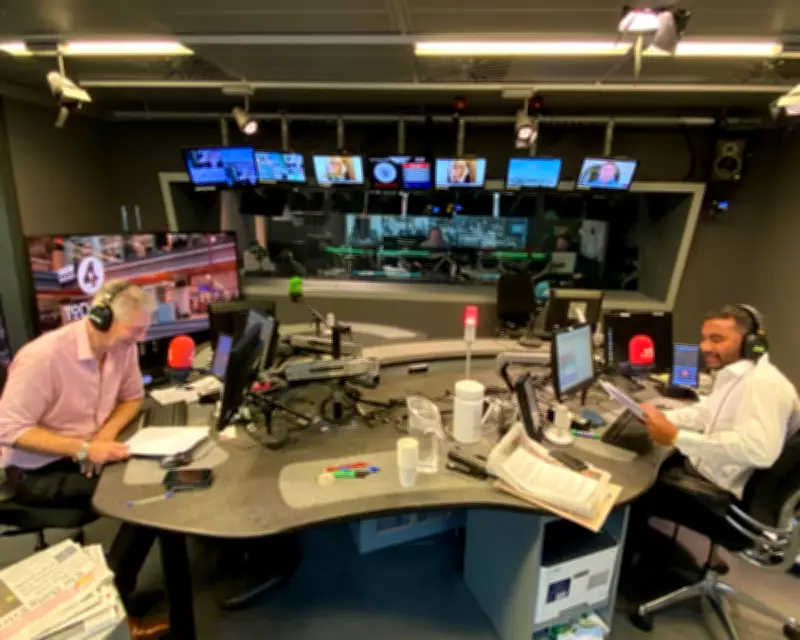
Justin Webb and Amol Rajan, the familiar voices presenting the BBC Today programme on Radio 4, have long been at the centre of a beloved morning ritual for millions. However, a recent letter to the editor has sparked fresh debate about the show's direction in the modern media landscape.
Historical Context and Enduring Importance
Since 1968, when the writer first tuned in as a Cambridge student, the Today programme has been an invariable brain kickstarter for the day ahead. Complaints about its content, structure, and presenters have always accompanied its broadcasts, serving as a testament to its significance. This mirrors historical moments, such as when former Prime Minister Margaret Thatcher would telephone the studio to make live points, highlighting the programme's political weight.
Modern Criticisms Emerge
Despite its storied past, even loyal fans now argue that Today has recently lost its way in two critical areas. The departure of iconic presenters like Jack de Manio is still mourned by some, but the focus has shifted to more substantive issues.
First, there is growing frustration with the frequent inclusion of pop music segments. Listeners describe these as noisy and distracting, often discussed as if the audience is both interested and knowledgeable on the subject. Many tune in for news and serious discussion, not for sounds readily available on other channels.
Balance in Discussions Under Scrutiny
More seriously, the programme is criticised for a frequent lack of balance in its discussions. When contentious subjects are addressed by a pair of experts holding very similar views, it fails to represent a balanced debate. This approach stifles diversity of thought and can suggest an "approved BBC line," which contradicts the programme's traditional ethos of impartiality.
Potential Solutions and Future Outlook
These two problems, according to the critic, could be corrected with relative ease. By refocusing on core news values and ensuring diverse perspectives in debates, the Today programme could better rebuff the growing assault from podcasts and other digital media competitors.
The call to action is clear: adapt to maintain relevance without sacrificing the integrity that has made Today a cornerstone of British broadcasting for decades.