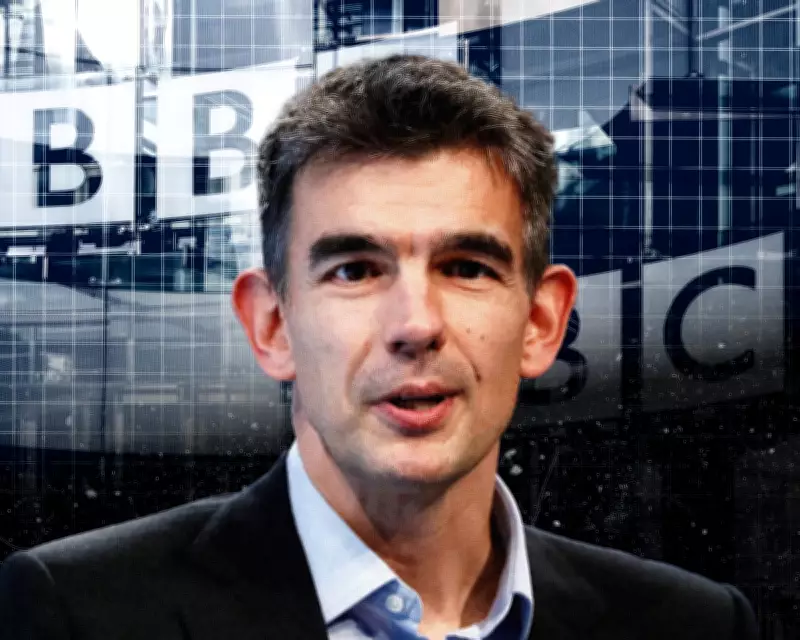
In a recent commentary, Matt Brittin, a former Google executive, has proposed a comprehensive strategy to rescue the BBC from its current crisis. His plan emphasizes the need for the broadcaster to embrace digital transformation, streamline operations, and reaffirm its commitment to impartial journalism.
The Core Challenges
The BBC faces mounting pressures from declining license fee revenues, increased competition from streaming services, and political scrutiny over its editorial stance. Brittin argues that the corporation must adapt or risk becoming irrelevant. He highlights the urgency of overhauling its funding model and organizational structure to remain viable in the digital age.
Digital-First Approach
Brittin advocates for a digital-first strategy, leveraging the BBC's global brand to create personalized content experiences. He suggests investing in AI-driven recommendations and expanding on-demand services to compete with Netflix and Amazon. This shift would require significant investment in technology and talent, but Brittin believes it is essential for survival.
Efficiency and Cost-Cutting
The proposal calls for reducing bureaucracy and focusing resources on core programming. Brittin recommends consolidating production facilities and cutting middle management to save costs. He also suggests exploring partnerships with commercial broadcasters to share expenses on major events, such as sports rights.
Impartiality and Trust
To restore public trust, Brittin emphasizes the need for strict adherence to impartiality. He proposes an independent oversight body to monitor editorial decisions and ensure balanced reporting. This would help counter accusations of bias from both left and right.
Reactions and Implications
Brittin's ideas have sparked debate among media experts and BBC staff. Some applaud his focus on innovation, while others worry about the impact on public service values. The director-general has acknowledged the need for reform but faces resistance from unions and traditionalists. If implemented, Brittin's blueprint could reshape the BBC for generations, but it will require bold leadership and political will.