BBC Removes Political Statement from Bafta Winner's Televised Speech
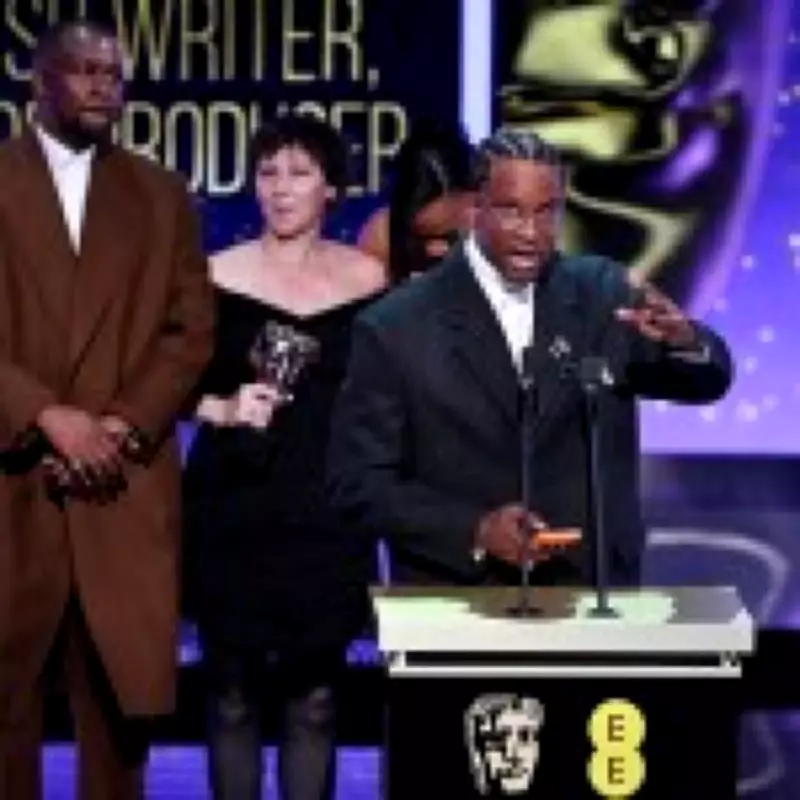
The British Broadcasting Corporation has edited out a politically charged comment from its television coverage of the 2026 Bafta awards ceremony. During the live event in London, director Akinola Davies Jr concluded his acceptance speech for Outstanding Debut by declaring 'For Nigeria, for London, the Congo, Sudan. Free Palestine', which received applause from the audience.
Selective Editing of Award Ceremony
When the BBC aired its two-hour broadcast of the ceremony approximately two hours after the live event concluded, Davies Jr's final statement regarding Palestine had been completely removed. The national broadcaster explained that the original three-hour ceremony required significant editing to fit the scheduled television slot.
'The live event is three hours, and it has to be reduced to two hours for its on-air slot,' a BBC spokesperson told Screen Daily. 'The same happened to other speeches made during the night, and all edits were made to ensure the programme was delivered to time.'

Context of the Controversial Edit
The editing decision comes amid heightened sensitivity at the BBC following last year's controversy surrounding punk band Bob Vylan's performance at Glastonbury Festival. During that performance, the band chanted 'Death to the IDF', which sparked significant backlash after being broadcast.
According to sources close to the Bafta preparations, BBC executives and external producers at Penny Lane Entertainment were particularly cautious about avoiding similar politically charged moments during the awards broadcast. 'They can't have another Glastonbury – that's the thing they keep talking about,' one insider revealed to Deadline.
Davies Jr's Award-Winning Work
Akinola Davies Jr received the Outstanding Debut award for his drama My Father's Shadow, which he co-wrote with his brother Wale Davies. The film explores family dynamics during Nigeria's 1993 election period. In his acceptance speech, the director thanked his family for nurturing his creative spark and acknowledged migrants who have experienced persecution and genocide.
'Your stories matter more than ever,' Davies Jr stated during his speech. 'Your dreams are an act of resistance. Archive your loved ones, archive your stories yesterday, today, and forever.'
Broader Pattern of Editorial Decisions
This incident follows a pattern of editorial adjustments at BBC awards coverage. Last year, a joke about Donald Trump made by Bafta host David Tennant was similarly edited out of the broadcast. The BBC maintains that all such decisions are made to comply with editorial guidelines and broadcasting regulations.
'As is always the case, the show's content must be appropriate for the slot and in line with BBC editorial guidelines, as well as Ofcom-compliant,' a BBC spokesperson explained to Deadline.
Availability of Unedited Content
While the televised broadcast featured the edited version of Davies Jr's speech, the complete acceptance speech remains available through alternative channels. Bafta has confirmed that all winners' speeches will be accessible via their official YouTube channel, providing viewers with the opportunity to watch the unedited remarks.
Following his win, Davies Jr shared celebratory photos on social media but has not publicly commented on the editing of his speech. However, he did reshare a video from photographer and social activist Misan Harriman, who captured and posted the complete speech online.
Industry Reaction and Precedent
The editing decision has sparked discussion within the entertainment industry about the balance between artistic expression and broadcast standards. Former BBC director-general Tim Davie previously acknowledged that Bob Vylan's Glastonbury performance had been considered 'high risk' prior to broadcast, indicating the corporation's ongoing sensitivity to politically charged content.

The BBC maintains that time constraints rather than political considerations drove the editing decisions at the Baftas. However, the pattern of removing politically sensitive content from awards broadcasts continues to generate debate about editorial priorities and freedom of expression in public broadcasting.