BBC Issues Formal Apology Following BAFTA Broadcast Incident
The British Broadcasting Corporation has issued a formal apology for "any offence caused" after a racial slur was broadcast during the prestigious BAFTA Film Awards ceremony. The incident occurred during the live broadcast from London's Royal Festival Hall on Sunday, February 22, 2026.
Involuntary Tics During Award Presentation
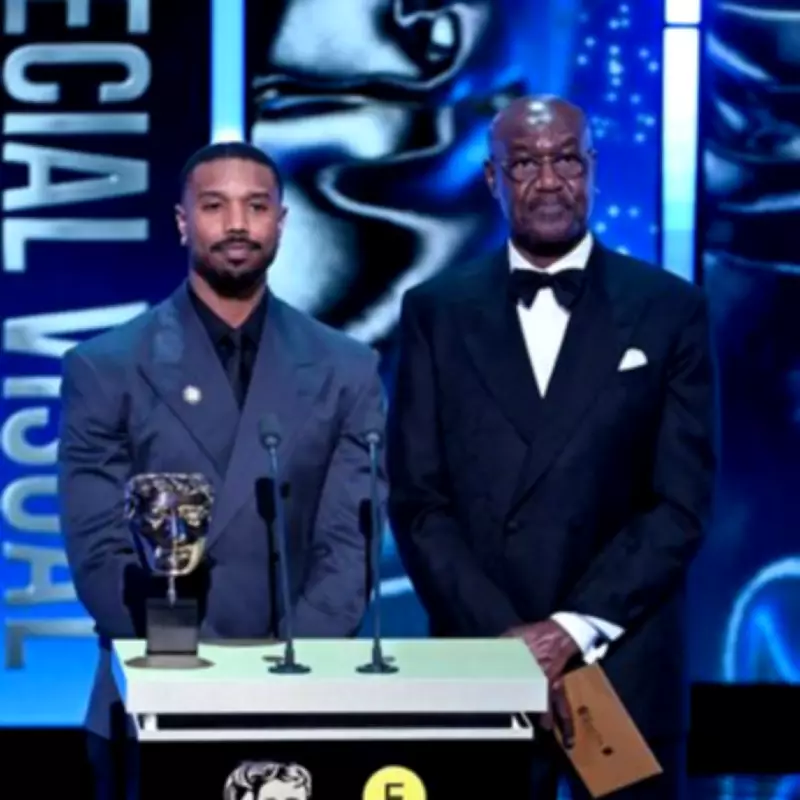
The offensive language was shouted by an audience member who reportedly has Tourette syndrome during the presentation of the Special Visual Effects Award. Actors Michael B. Jordan and Delroy Lindo were presenting the award when the incident occurred. A BBC spokesperson stated: "Some viewers may have heard strong and offensive language during the BAFTA Film Awards 2026. This arose from involuntary verbal tics associated with Tourette syndrome, and was not intentional. We apologise for any offence caused by the language heard."
Ceremony Host Addresses Viewers
During the transmission, awards ceremony host Alan Cumming delivered an on-air apology to viewers. He explained: "You may have heard some strong and offensive language tonight. If you have seen the film I Swear, you will know that film is about the experience of a person with Tourette syndrome. Tourette syndrome is a disability and the tics you have heard tonight are involuntary, which means the person who has Tourette syndrome has no control over their language. We apologise if you were offended."

Tourette's Campaigner Present at Ceremony
The broadcast coincided with the presence of Scottish Tourette syndrome campaigner John Davidson in the audience. One of the shortlisted films, I Swear, chronicles Davidson's story. The film won multiple awards including best actor for Robert Aramayo, who portrayed Davidson, and best casting. Davidson, who developed Tourette syndrome at age 12, received an MBE in 2019 for his awareness-raising work.
Debate Over Broadcasting Standards
Ed Palmer, vice chairman of Tourettes Action, suggested the BBC should have considered censoring the offensive term. He explained: "This is really one of the most acute examples of where something that is a disability can cause quite understandably huge amounts of offence to someone. So, if it's being pre-recorded now, then bleeping it out, for example, might be a reasonable compromise."
Palmer continued: "But I'm very, very mindful of the people that would have quite understandably been hugely offended by whatever word was said, or an offensive word that's used by somebody with tics and Tourettes." He emphasized the importance of showing compassion while acknowledging the distress such incidents cause both to those offended and to individuals with the condition.
Medical Context and Broadcast Implications
According to the NHS, Tourette syndrome is a neurological condition that causes individuals to make involuntary, repetitive sounds or movements. In uncommon cases, this can lead to the uncontrolled use of offensive language, known as coprolalia. The health service notes there is no cure, though treatment options can assist in managing tics.
The incident has sparked discussions about broadcasting standards, disability accommodations, and the balance between authentic representation and content moderation. The racial slur remains audible on BBC iPlayer at the time of publication, raising questions about post-broadcast editing protocols for sensitive content.
Historic BAFTA Wins Amid Controversy
The ceremony witnessed significant achievements despite the controversy. Sinners director Ryan Coogler made history as the first black recipient of the BAFTA for best original screenplay. The production also triumphed in best supporting actress for Wunmi Mosaku and original score categories, marking a landmark moment for diversity in British film recognition.
BAFTA, Tourette Scotland, and the actors involved have been contacted for comment regarding the broadcast incident. The BBC's apology highlights the complex intersection of disability rights, broadcasting ethics, and public sensibilities in live television events.