BBC Faces Censorship Claims Over Trump Remarks
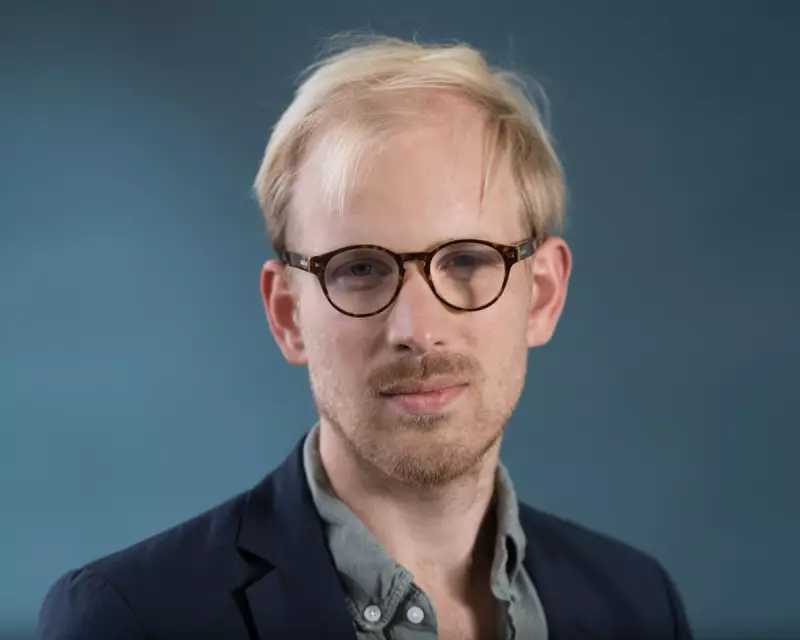
The BBC finds itself embroiled in another controversy involving Donald Trump after Dutch author and historian Rutger Bregman accused the corporation of censoring his criticism of the former US president. Bregman claims the BBC removed a key line from his prestigious Reith Lecture where he described Trump as 'the most openly corrupt president in American history'.
Legal Pressure Behind Editorial Decision
According to Bregman, the decision to remove the controversial statement came from 'the highest levels within the BBC' and was made against his wishes. The author revealed he was 'genuinely dismayed' by the edit, which occurred despite the lecture having already been recorded four weeks earlier in front of 500 people at the BBC Radio Theatre.
The censorship allegations emerge while the BBC faces significant pressure from the White House. Trump has threatened to sue the corporation for up to $5 billion over an edit of one of his speeches in a Panorama programme. That previous editing controversy led to the resignation of both director general Tim Davie and BBC News chief Deborah Turness.
Broader Implications for Media Freedom
Bregman expressed particular concern about what he perceives as 'self-censorship driven by fear' within the media organisation. He noted the irony that his lecture specifically addresses the 'paralysing cowardice of today's elites' and how institutions including media networks are 'bending the knee to authoritarianism'.
The BBC confirmed it had removed the comment after seeking legal advice. A spokesperson stated: 'All of our programmes are required to comply with the BBC's editorial guidelines, and we made the decision to remove one sentence from the lecture on legal advice.'
Bregman's Reith Lectures, titled 'Moral Revolution', were recorded in London, Liverpool, Edinburgh and the United States last month. The series focuses on what he describes as the 'moral decay and un-seriousness of today's elites' and calls for grassroots-driven change.
The Dutch writer came to international prominence in 2019 when he challenged attendees at the World Economic Forum in Davos over tax avoidance practices. His current lecture series follows in the footsteps of his intellectual hero Bertrand Russell, who delivered the first Reith Lectures in 1948.