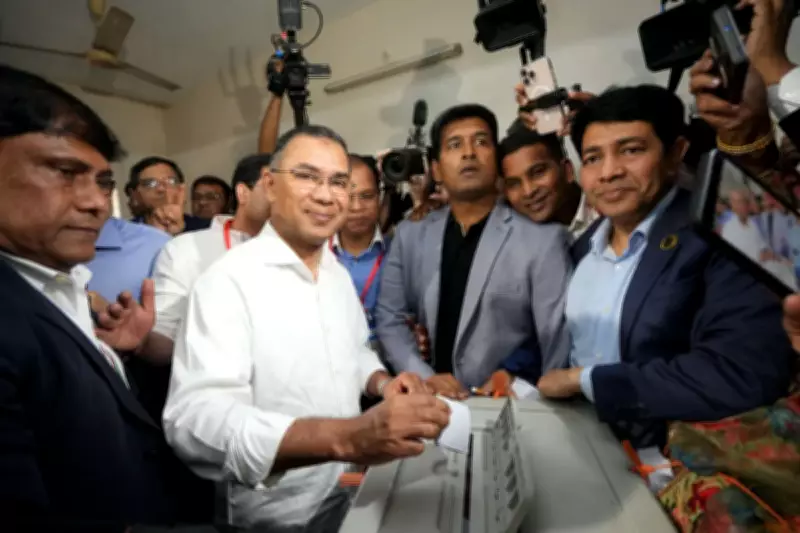
Bangladesh Nationalist Party Triumphs in Crucial National Election
The Bangladesh Nationalist Party has secured a landmark victory in the country's recent pivotal election, a result that signals a major political transformation. This electoral success is poised to influence both domestic governance and foreign relations significantly.
Historic Win Reshapes Political Landscape
The election outcome represents a dramatic shift in Bangladesh's political dynamics, with the Bangladesh Nationalist Party emerging as the clear winner. This victory is expected to bring about substantial changes in policy direction and administrative priorities.
Observers note that the party's campaign focused on key issues such as economic reform, social justice, and national sovereignty, which resonated strongly with voters across the country.

Implications for Domestic and International Affairs
The election result is likely to have profound implications for Bangladesh's domestic policies, including potential revisions to economic strategies, social programs, and governance structures. Internationally, the new administration may recalibrate diplomatic relations and trade agreements.
This political shift comes at a critical juncture, as Bangladesh navigates challenges related to economic development, climate change, and regional stability.
Analysis of Electoral Factors and Voter Sentiment
Several factors contributed to the Bangladesh Nationalist Party's success, including widespread voter dissatisfaction with previous policies, effective campaign messaging, and strategic mobilization of support. The election saw high voter turnout, reflecting the population's engagement with the political process.
Experts suggest that this victory could lead to a period of political realignment, with other parties reassessing their strategies and platforms in response to the changing electoral landscape.
Future Outlook and Governance Challenges
As the Bangladesh Nationalist Party prepares to assume power, it faces the task of implementing its agenda while addressing the country's pressing needs. Key challenges include managing economic expectations, ensuring social cohesion, and maintaining international partnerships.
The election outcome underscores the dynamic nature of Bangladesh's democracy and the importance of electoral processes in shaping national destiny.