The Case for Live Broadcasting the Baftas
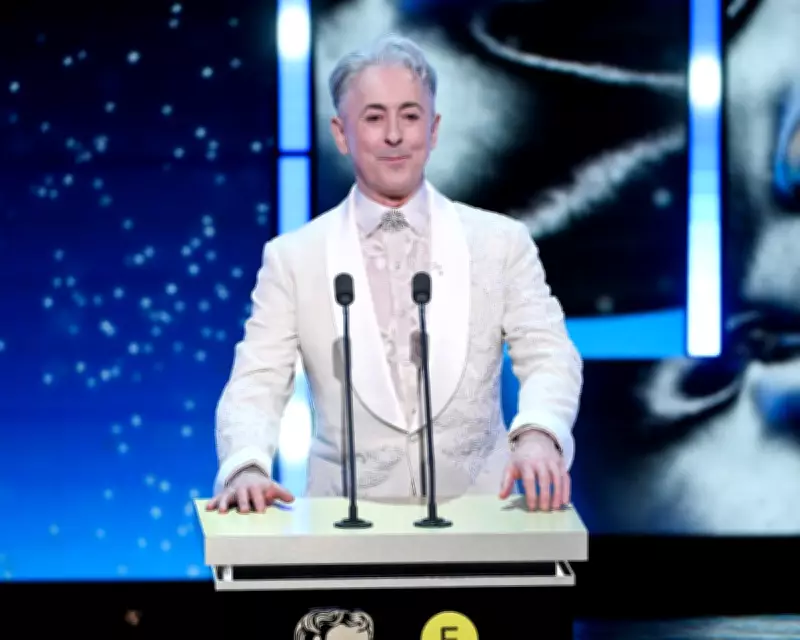
The 2026 Baftas, hosted by Alan Cumming, have ignited a fierce debate over the ceremony's broadcasting format. Currently, the event is edited with a two-hour delay before airing on BBC One, but this approach is increasingly seen as outdated and problematic. Critics argue that the delay leads to arbitrary cuts, confusing edits, and mishandling of controversial moments, undermining the integrity and excitement of the awards.
Flaws in the Current System
The editing team faces an impossible task: condense a ceremony that often overruns due to late arrivals, lengthy speeches, and unexpected events into a tight two-hour slot. This results in significant portions, including 12 of the 28 awards, being relegated to rushed montages. For instance, a minute was wasted showing the team behind "Boong" slowly descending stairs, highlighting inefficiencies in the editing process.
Moreover, the delay system creates ethical dilemmas. During the 2026 ceremony, John Davidson, whose life is depicted in the film "I Swear," attended with Tourette syndrome, leading to audible tics that included offensive language. Editors chose to retain some of these moments while censoring others, such as a "Free Palestine" statement from a winner. This inconsistency has drawn backlash, with the BBC issuing apologies and facing criticism for poor judgment.

The Argument for Live Broadcast
Advocates for change, including commentators like Stuart Heritage, assert that broadcasting the Baftas live would eliminate these issues. A live format offers transparency, allowing viewers to experience the ceremony as it unfolds, complete with its raw and unpredictable moments. While it might include occasional swearing or political statements, this authenticity could reinvigorate audience engagement, which has waned in recent years.
Comparisons to the Oscars, which are broadcast live, show that live events can thrive despite their length, offering thrilling moments like onstage incidents that become cultural talking points. The Baftas, in contrast, risk sanitizing such excitement through excessive editing.
Practical Solutions and Future Trends
If scheduling is a concern, the BBC could explore hybrid options, such as streaming the ceremony live on iPlayer while airing an edited version on traditional television. This would cater to both modern viewers, who increasingly favor on-demand content, and traditional audiences. Notably, the Oscars plan to move to YouTube from 2029, suggesting a shift away from broadcast TV that the Baftas may soon follow.
Ultimately, the Baftas' current muddle is easily solvable. Embracing a live broadcast would honor the event's prestige, treat audiences as adults capable of handling real-time content, and restore the frisson of excitement that has long been missing. As the media landscape evolves, adapting to live formats could ensure the Baftas remain relevant and engaging for years to come.