Bafta TV Awards 2026 Nominations Herald a New Era in British Television
The Bafta TV Awards for 2026 have delivered a seismic shift in the landscape of British television, with the nominations list revealing the end of a long-standing era and the rise of fresh talent. In a move that has captured industry attention, the predictable dominance of Ant & Dec in the entertainment performance category has been broken, with the duo entirely absent from the shortlist for the first time this millennium.
Claudia Winkleman Emerges as Television's New Royalty
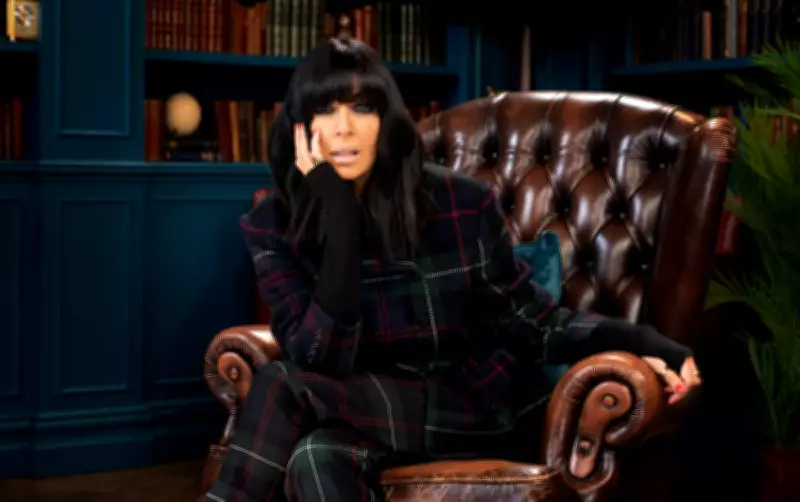
Stepping into the spotlight is Claudia Winkleman, nominated for Best Entertainment Performance for her role in The Celebrity Traitors. Winkleman's recognition marks a significant changing of the guard in entertainment television, with her charismatic presence now positioned as the new standard-bearer for the category. While Graham Norton's show received a nomination, his absence from the performance category alongside Ant & Dec suggests a fundamental realignment of television's power structure.
The entertainment performance category now features intriguing head-to-head battles between newer double acts. Romesh Ranganathan and Rob Beckett compete against Amanda Holden and Alan Carr, creating fresh dynamics in a category that had become predictable in recent years. Industry observers are watching closely to determine whether this represents a temporary blip or a permanent transformation in television awards recognition.
Adolescence Dominates Drama Categories with Eleven Nominations
Netflix's powerful drama Adolescence has emerged as the overwhelming frontrunner, securing an impressive eleven nominations across multiple categories. The series, which explores the corrosive impact of misogynistic online influence on young men, has generated particular buzz for its acting performances. Stephen Graham and Owen Cooper are heavily favored in the leading and supporting actor categories respectively for their portrayals of a traumatized father and radicalized son.
Erin Doherty delivers what may be the performance of the year as a court-appointed psychologist in Adolescence, achieving astonishing stillness and emotional control in an almost episode-long single take. The 33-year-old actress achieves the rare Bafta double nomination, also recognized in the Best Actress category for Disney+'s A Thousand Blows, joining an elite group most associated with Julie Walters.
Surprise Contenders and Notable Omissions
Channel 4's adaptation of Louise Kennedy's novel Trespasses has emerged as the most unexpected frontrunner, securing six nominations despite competing against streaming giants. The series, set in sectarian 1970s Northern Ireland where cross-community love affairs can lead to deadly consequences, represents a significant vindication of Channel 4's drama strategy of funding fewer, higher-quality projects.
Sheridan Smith appears poised to add to her previous Bafta success with a potentially award-winning performance in ITV's I Fought the Law, portraying Ann Ming, the mother who changed British law to secure justice for her murdered daughter. Smith's emotionally authentic performance has been described as surpassing even her own wrenching standards.
The nominations have inevitably sparked discussion about notable omissions. David Tennant continues his unfortunate streak with the academy, missing out on recognition for his formidable performance as Guardian journalist Nick Davies in The Hack. Other overlooked works include Jimmy McGovern's BBC One drama Unforgivable, the Bradford-set crime series Virdee, and Disney+'s Suspect: The Shooting of Jean Charles de Menezes.
Structural Challenges and Industry Implications
The 2026 nominations reveal ongoing structural challenges within the television awards calendar. With Bafta's qualifying period running from January to December of the previous year, and networks increasingly front-loading their schedules with major productions, there remains a significant delay between a show's premiere and its awards recognition. Adolescence, if successful, would receive statuettes fourteen months after its Netflix debut, following the pattern established by Mr Bates vs the Post Office in 2025.
Perhaps most concerning for the BBC is that none of the year's most critically acclaimed dramas depicting modern Britain—Adolescence, Netflix's Toxic Town, or Channel 4's Trespasses—originated from the public broadcaster. This trend highlights the increasing competition from streaming services in producing UK-based content, presenting one of the most significant challenges facing incoming BBC director general Matt Brittin.
Looking Ahead to the Ceremonies and Beyond
The 2026 Bafta ceremonies—Craft Awards on April 26th and the main Television Awards on May 10th—appear destined to be dominated by Adolescence's delayed recognition. Following two consecutive years of catch-up celebrations for productions from previous years, organizers hope that 2026 will produce more timely contenders for the 2027 awards.
Early indications suggest several promising productions that might excite next year's juries, including Channel 4's Dirty Business, BBC Two's Small Prophets, Louis Theroux's Netflix documentary Inside the Manosphere, and the performances of David Morrissey and Emma Appleton in ITV's Gone. What the Bafta awards urgently requires is a stronger slate of late summer and autumn hits to ensure more contemporary recognition in future ceremonies.
As the television industry prepares for the awards ceremonies, the 2026 nominations have already succeeded in generating renewed excitement and debate about the state of British television, its evolving talent pool, and the structural challenges facing both content creators and awards bodies in an increasingly fragmented media landscape.