Ardan Fisher: A Life in Film Editing at the BBC and Beyond
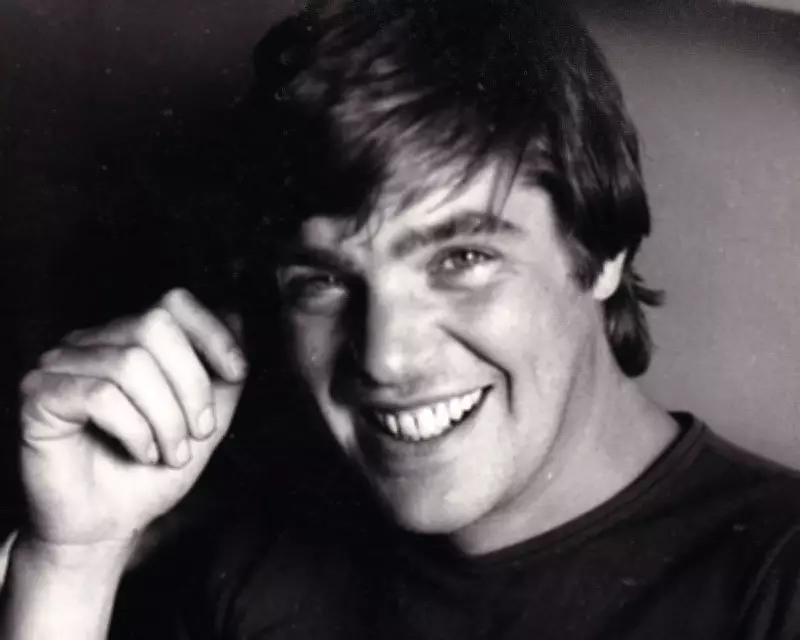
Ardan Fisher, a distinguished film editor whose career flourished during the BBC's creative golden age, has passed away at the age of 79. His work left an indelible mark on television documentaries and drama, earning him accolades and the respect of peers across the industry.
Early Career and Rise at the BBC
Fisher began his journey at the BBC as an assistant editor, quickly ascending to the role of editor after collaborating with director Mike Dibb on the 1978 documentary Seeing Through Drawing. In the music and arts department, he edited seminal works such as The Orson Welles Story (1982) and Artists and Models (1986), working alongside BBC luminaries including Alan Yentob and Leslie Megahey. His talent soon transitioned into television drama, where he won a Bafta award for the acclaimed thriller Edge of Darkness (1985), solidifying his reputation as a master of his craft.
Formative Years and Education
Born in Cambridge to Bryan Fisher, bursar of the Bath Academy of Art, and Irene Fisher (née Jefferies), a teacher, Ardan grew up in Corsham, Wiltshire. His parents transformed their home into lodgings for art students, immersing him in an environment of unconventional and inquisitive minds from a young age. This upbringing fostered a worldliness that would later influence his creative pursuits.

At King Edward's boys school in Bath, Fisher demonstrated an early rebellious streak by refusing to join the cadet force. Instead, he focused on enhancing the school's library, persuading teachers to let him order new books. He stocked the shelves with tales of adventure and subversive literature, aiming to provide reading material that genuinely engaged his peers.
Later, he studied photography at Salisbury School of Art before embarking on his career at the BBC. His editorial philosophy emphasized patience and meaning, as recalled by his former assistant, film editor Joe Walker, who noted that Fisher taught him "when not to cut – to give people time to peer into the frame – and that editing could carry meaning, not just continuity."
Transition to Freelance Work and Later Career
In 1995, following John Birt's marketisation reforms at the BBC, which rendered in-house editors too costly, Fisher transitioned to freelance editing. This move allowed him to work on a diverse range of projects, including feature films like Nature Boy (2000) and The Long Run (2001). He developed close collaborations with directors such as Tristram Powell, Pip Broughton, and Jean Stewart, always prioritizing the craft and ambition of the films he helped shape.
Despite his dedication, Fisher's modesty sometimes hindered him in the commercial world outside the BBC. He retired in the late 2000s after contributing to the series Foyle's War, leaving behind a legacy of meticulous and meaningful editing.
Personal Life and Legacy
Ardan Fisher met his wife, Renée van der Vloodt, while working at the BBC. She survives him, along with their two children, Bevis and Anny. His life and work continue to inspire those in the film and television industries, remembered for his contributions during a transformative era in broadcasting.