In a compelling call to action, voices from across the UK are urging policymakers to prioritize universal access to culture as a national imperative. Drawing inspiration from Labour's postwar achievements, such as the establishment of the NHS and the Arts Council, proponents argue that culture should be available to all, irrespective of income.
Beyond Economic Justifications
Oliver Goodhall, based in London, emphasizes that while the economic benefits of the creative industries are well-documented, society must not be confined to framing culture solely in financial terms. He advocates for a broader vision that fosters inclusive, diverse, and devolved cultural ecosystems. Goodhall envisions a future where cities thrive by creating conditions for self-driving cultural growth, positioning the UK as a global creative powerhouse.
He stresses the need for public mandate and purpose, suggesting that universal basic culture could unlock prosperity, health, and community participation. This approach, he argues, moves beyond mere economic metrics to embrace the intrinsic value of cultural engagement.
Championing Live Theatre
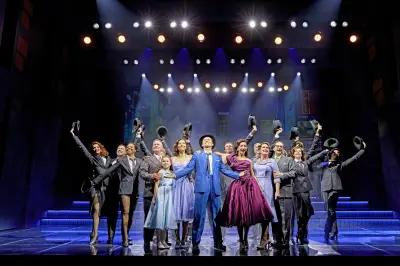
Ian Flintoff from Oxford adds to the conversation by highlighting the importance of live theatre. He notes Britain's historical leadership in this field since the 16th century, urging not only financial support but also active participation from people of all ages. Flintoff believes that live performance, whether as spectators or performers, enhances self-expression and contributes to societal well-being, from political discourse to personal relationships.
He calls for special attention to theatre, emphasizing that it should not just be watched but actively engaged with, to preserve and build upon Britain's rich theatrical heritage.
A National Vision for Culture
The letters underscore a growing demand for a cohesive national strategy that ensures cultural resources are accessible to everyone. This includes supporting galleries, museums, concerts, and live performances through policies that prioritize inclusivity and public engagement.
By shifting focus from purely economic arguments to holistic benefits, advocates aim to foster a more vibrant and equitable cultural landscape across the UK.