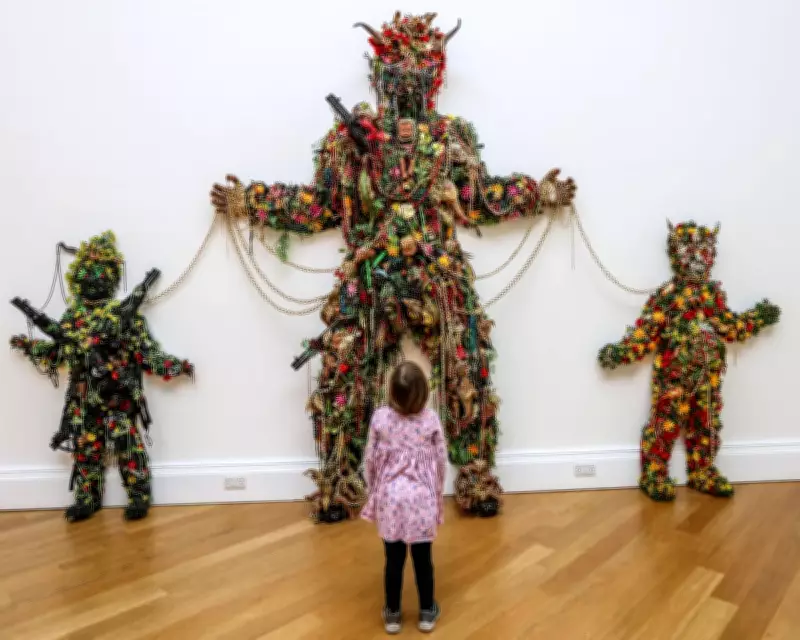
Toddler's Toy Pig Incident Sparks Guide to Gallery Visits with Young Children
It all began with a toy pig and a moment of parental panic at the Royal Academy. While attempting to appreciate Kerry James Marshall's epic paintings, Chloë Ashby found herself navigating the delicate balance between cultural enrichment and toddler management. As her young son hurled his toy pig beneath a gallery barrier, it sparked a fundamental question: are small children and art galleries truly compatible?
The Parental Dilemma in Cultural Spaces
This incident inspired the launch of Young at Art, a new series dedicated to exploring the challenges and rewards of introducing young children to art institutions. The series will document visits to various galleries, museums, immersive exhibitions, and sculpture parks across the country, examining what works and what doesn't when bringing knee-height companions to cultural venues.
Recent research commissioned by Art Fund in 2024 reveals a significant parental paradox. While 92% of UK parents believe museum and gallery visits benefit their children, nearly half (45%) consider some cultural spaces unwelcoming to young visitors. Furthermore, 68% have felt judged for bringing their children, and over half worry about potential damage from energetic little ones.
Changing Attitudes in Cultural Institutions
The landscape has evolved considerably since former Guardian columnist Dea Birkett and her twins were asked to leave the Royal Academy two decades ago after one child enthusiastically identified an Aztec sculpture as a "monster." That experience led Birkett to establish Kids in Museums, a charity dedicated to making cultural organizations more family-friendly.
Today, institutions are increasingly recognizing that families with young children constitute a substantial portion of midweek visitors. Innovative approaches include Brighton & Hove Museums' collaboration with Sussex Baby Lab, which used eye-tracking technology to understand what captures infants' attention during visits. Meanwhile, London's Dulwich Picture Gallery recently opened its ArtPlay Pavilion as part of a £5 million renovation, featuring bridges and swings inspired by paintings in their collection.
Practical Strategies for Gallery Success
Following its 2024 research, Art Fund launched Kids Aloud, a program encouraging children to visit museums and galleries during designated two-hour slots where liveliness is welcomed. Similar family-focused offerings have proliferated across the country, including Art Baby at Manchester's Whitworth, Toddle Tours at MK Gallery in Milton Keynes, and Art Rebels at Turner Contemporary in Margate.
However, parents face practical questions about their gallery visits: Should they seek specifically child-focused programming or simply bring children along to exhibitions they personally want to see? How do they balance educational and entertainment values? What happens when screen-based art conflicts with efforts to limit screen time? And perhaps most importantly, how can anyone plan for the inherent unpredictability of young children?
Essential Survival Tips for Gallery Visits
- Snacks are essential: Pack plenty of child-friendly sustenance to prevent hunger-related meltdowns.
- Timing matters: Consider nap schedules, meal times, and avoid peak visiting hours whenever possible.
- Know when to leave: Don't hesitate to cut a visit short if everyone's enjoyment has evaporated.
- Research family offerings: Many institutions now provide special programs, trails, or activities for young visitors.
- Manage expectations: Short, focused visits often work better than marathon gallery sessions with young children.
As for that toy pig incident at the Royal Academy? After sheepishly informing a gallery attendant about the projectile toy, Ashby discovered the string barriers were "just for show" and she could retrieve the pig herself. The painting remained unharmed, and a new series about making art accessible to the youngest generation was born.
The series aims to demonstrate that, despite the challenges, introducing children to cultural institutions can be rewarding for both generations. Research indicates that children who visit museums with their families are more likely to become lifelong cultural participants, while also benefiting from enhanced learning opportunities and positive impacts on mental health and wellbeing.