Paula Rego's Largest Drawing Exhibition Unveils Intimate Tales of Female Oppression
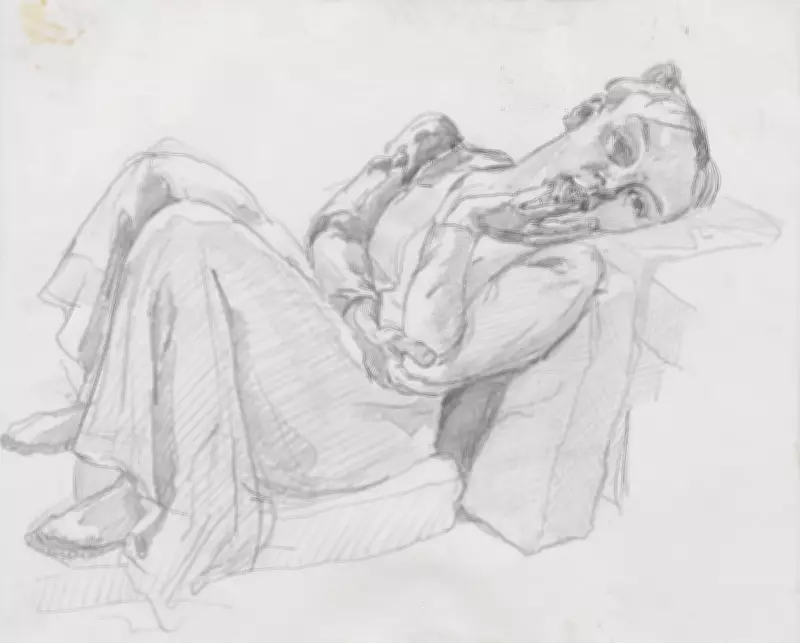
Victoria Miro in London is currently hosting the most extensive exhibition of drawings by the Portuguese-born artist Paula Rego, spanning from the 1950s until her death in 2022. Curated by her son, Nick Willing, this showcase features over 100 works on paper, including pencil sketches, pastel drawings, and ink illustrations that delve into themes of female repression, personal struggle, and societal critique.
Early Beginnings and Personal Narratives
The exhibition opens with a tender childhood sketch from 1944, depicting Rego's grandmother absorbed in a task, signed and dated by the nine-year-old artist. This piece sets the tone for a journey through Rego's life, from her early years under Portugal's Salazar dictatorship to her later life in England. Her father advised her to leave Portugal at age 17, citing it as no country for a woman, a sentiment that fueled her lifelong rally against female oppression.
Works like a 1998 pencil drawing responding to Portugal's failed abortion referendum show a girl in despair after a backstreet abortion, highlighting Rego's engagement with political and social issues. In Study for Annunciation from 2002, Mary is portrayed as a schoolgirl nervously facing an angel, echoing themes of vulnerability and choice.
Artistic Techniques and Emotional Depth
Rego's drawings are celebrated for their intuitive touch, often lacking in her paintings. The exhibition includes studies for major works, such as The Policeman's Daughter from 1987, where subtle tweaks in jaw and foot positions shift the mood from dutiful to defiant. Another study for The Soldier's Daughter features five versions of a youthful face, each with a gently varied smile, accompanied by fingerprints and shoeprints from Rego's floor-based working method.
Her use of media—sharp pencil lines, delicate pen strokes, pastel smudges, and watercolor washes—conveys deep emotion without overt drama. In Rape from 2009, the horror is expressed through the victim's distant gaze rather than explicit violence, showcasing Rego's nuanced approach to storytelling.
Literary and Biblical Influences
The exhibition also explores Rego's engagement with literary and biblical figures. A 2002 pastel of the pieta depicts Christ's arm in multiple angles, adding a dynamic element to the traditional scene. References to Jane Eyre, Mr. Rochester, Orpheus, and Germaine Greer appear throughout, blending personal and cultural narratives. These works illustrate Rego's ability to intertwine real and imagined tales, creating a rich tapestry of human experience.
Legacy and Final Works
Towards the end of the show, a 2017 self-portrait reveals Rego in her 80s, with watchful eyes and deep purple rings beneath them, symbolizing a lifetime of observation and creation. Nearby, a lone finger gripping a pastel floats in space, emphasizing her enduring connection to drawing. This exhibition not only highlights Rego's technical skill but also her unwavering focus on expressing female resilience and complexity.
Paula Rego: Story Line runs at Victoria Miro, London, until 23 May, offering a unique insight into the artist's most intimate and powerful works.