Euan Uglow Exhibition Review: Technical Mastery Lacks Emotional Depth
Euan Uglow, often hailed as an artist's artist, presents a retrospective at MK Gallery in Milton Keynes that showcases his painstaking and methodical approach to painting. However, for many viewers, his 70-odd works, while technically proficient, feel drained of life and emotional resonance.
The Painstaking Process and Its Pitfalls
Uglow's work is characterized by intense observation and slow production, with paintings often taking years to complete. This meticulous process, involving complex grids and geometric lines, is evident in pieces like Three in One (1967-68) and The Diagonal (1971-77), which required six years of labor. Models, including a young Cherie Blair, frequently bowed out due to the demanding time commitments, leaving unfinished portraits that underscore the artist's relentless pace.
Despite flashes of brilliance, such as the intimate detail in Pepe's Painting (1984-85) or the character in a flexed foot, the overall effect is one of coldness. Uglow's nudes, like those in Root Five Nude (1974-75), appear static and lifeless, lacking the fleshiness and vitality seen in contemporaries like Frank Auerbach or Lucian Freud.
Context and Comparison
The exhibition opens with a room that includes only two of Uglow's paintings alongside works by his influences, such as Paul Cézanne and Alberto Giacometti. This setup provides context but can be frustrating for visitors eager to dive into the artist's oeuvre. Early works, like the portrait of Marigold, show glimpses of color and life, but these are overshadowed by the regimented style that dominates the later rooms.
Uglow's philosophy, as quoted, emphasizes that "the proper subject of a painting is painting itself," prioritizing technique over subject matter. While this approach may appeal to art students and purists, it often results in a viewing experience that feels clinical and unengaging for a broader audience.
Final Impressions and Still Lifes
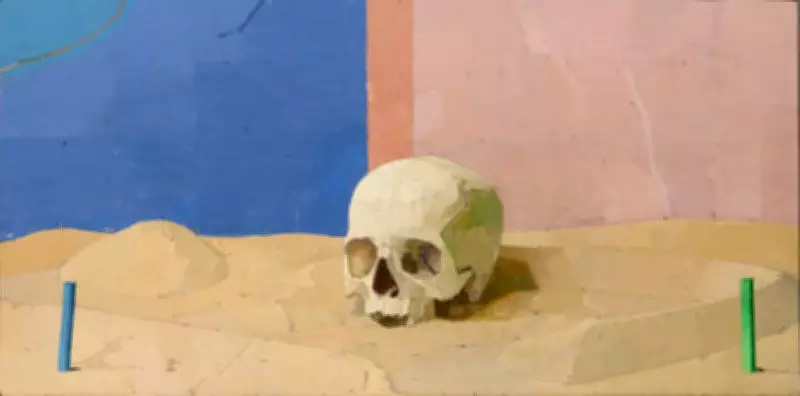
The exhibition concludes with a series of still lifes, including Mouse Loaf (1991-92), a work that took over a year to complete as rodents nibbled at the bread, which Uglow then filled with plaster. This piece, like others, highlights his uncompromising dedication but also underscores a sense of absurdity and detachment from life.
In an age of AI-generated art, Uglow's handmade efforts are reassuring, yet his overemphasis on methodology ultimately sucks the vitality out of his creations. The retrospective, while a testament to his skill, leaves viewers with a feeling of cold precision rather than warm inspiration.