An Apology to Lena Dunham: Confronting Millennial Jealousy and Media Criticism
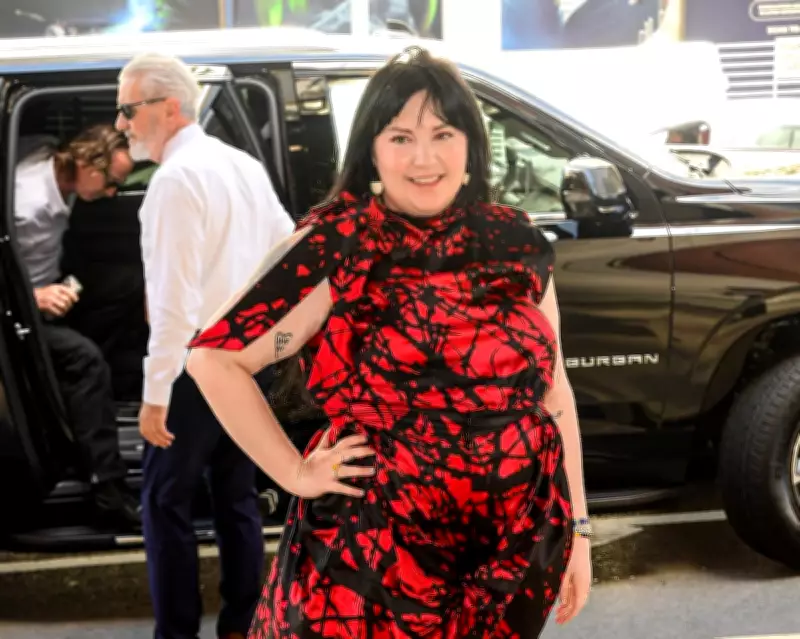
I was once among Lena Dunham's harshest critics, and now, I feel compelled to offer a sincere apology. The truth is, much of the backlash against Dunham stemmed from a place of deep-seated jealousy rather than genuine critique. As Dunham releases a new memoir reflecting on her time in the cultural spotlight, it's time to reexamine the unfair scrutiny she endured.
The Rise of a Cultural Phenomenon
Fourteen years ago, HBO's Girls transformed Lena Dunham from an indie film darling into a mainstream superstar. This shift occurred during the halcyon days of the 2010s, when cable TV subscriptions were still common and social media served as a novel platform for sharing random thoughts and brunch photos. Today, posting a meal photo might invite accusations of flaunting privilege, but back then, Dunham's rise symbolized a new era of confessional art.
In a recent New York Times interview, Dunham pondered why people hated her so intensely. The headline captured her bewilderment: "Lena Dunham Is Still Trying to Figure Out Why People Hated Her So Much." This question seems odd given the blatant nature of much criticism, which targeted her weight, frequent nudity on Girls, media ubiquity, and status as a so-called "nepo baby" of celebrated New York artists.
The Role of Jealousy in Media Backlash
While misogyny undoubtedly colored the discourse, the core issue was simpler: we were all jealous. Dunham and I began our careers around the same time, but our paths diverged dramatically. She graced the cover of Rolling Stone, while I merely read that issue. Her success highlighted the disparities in an era when TV shows were awarded based on Twitter clout and bloggers landed book deals for oversharing secrets.
I worked at Vice Media when it offered perks like skipping lines at Williamsburg nightclubs or free cocaine. Dunham represented everything we, as scraggly hipsters in New York and Los Angeles, craved: attention, validation, and cultural relevance. In a misguided attempt at humor, I once wrote a piece titled "My Love Letter to Lena Dunham," laced with sarcasm and ironic detachment. I wasn't aiming for cleverness; I was being smug, hoping she'd read it and feel flattered. This childish approach mirrored playground antics, revealing a profound immaturity.
Confessional Art and Emotional Transparency
Dunham's work epitomized the millennial media moment, where oversharing became a badge of honor and nothing was off-limits. Her confessional style, through romans à clef and emotional transparency, made audiences feel they knew her intimately. This vulnerability led people to wish they were her, blurring the line between artist and avatar. Dunham reflected "myopic millennial thinking" back at us, showcasing who we aspired to be and who we feared we could never become.
In her interview, Dunham listed negative portrayals she faced: "myopic millennial thinking or hapless feminism or man-hating or liberal twit-dom." Whether accurate or not, these labels stuck because we believed we understood her. Society transformed her into a Wicker Man-style totem, a symbol to be set ablaze rather than a person deserving empathy. This dehumanization remains one of the most unfair aspects of her experience.
Reevaluating Girls and Its Legacy
Gen Z is rediscovering Girls, recognizing it as more than disposable entertainment. The show explored the loneliness of one's 20s, the flailing search for meaning, and universal emotions transcending its homogeneous cast demographics. It was never myopic; it was profoundly relatable, articulating ideas many millennials struggled to express.
Dunham was an influencer before the term gained traction, but unlike today's social media personalities, she aimed to create sensitive, emotionally resonant art rather than viral TikToks. Her brilliance lay in holding a mirror to a generation, even as that generation often responded with envy and vitriol.
A Personal Reckoning
Looking back, the jealousy and striving of young adulthood seem both intoxicating and pathetic. In your 40s, the focus shifts to doing meaningful work, but in your 20s, approval feels paramount. Social media has amplified this, providing endless avatars for our insecurities. Dunham bore the brunt of this dynamic, her personhood overshadowed by symbolism.
I apologize to Lena Dunham, but I also grieve for my younger self. I wish I could tell him that the validation he craved would arrive only when he stopped seeking it so desperately. Time has granted clarity, revealing that Dunham's work resonated because it tapped into shared human experiences, not because it deserved derision. Her memoir invites us to reflect on our complicity in a culture that often punishes authenticity with cruelty, and for that, we owe her not just an apology, but gratitude.