The Nigerian Creator Economy: A Booming Market With Financial Challenges
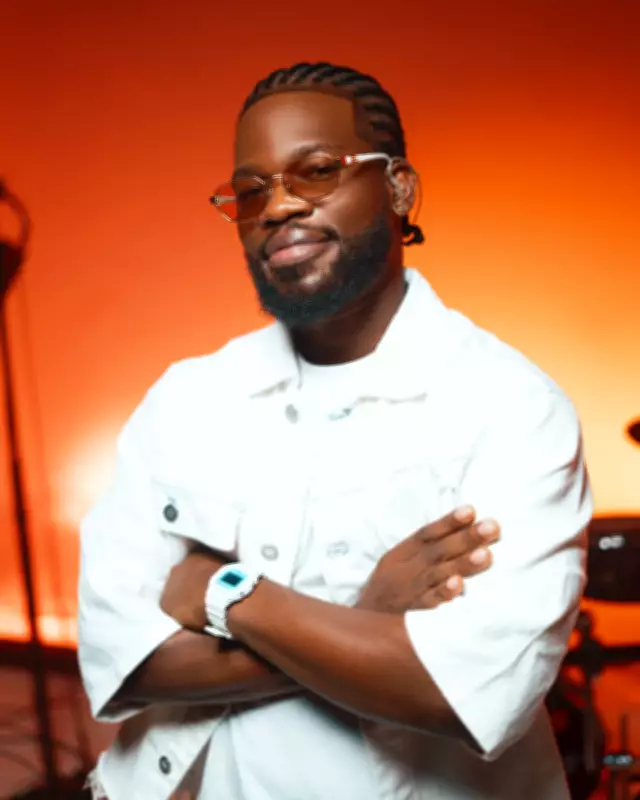
On a humid afternoon in Lagos, what appears to be a small film production is actually a comedy skit shoot. Dozens of professionals including lighting assistants, sound engineers, makeup artists, and content creators work diligently around the central figure: Broda Shaggi, born Samuel Animashaun Perry, one of Nigeria's most prominent online personalities.
From Social Media Skits to Serious Business
Broda Shaggi's journey began at the University of Lagos, where he started uploading comedy skits to social media platforms. Today, he commands 11.9 million Instagram followers, has released music, and crossed over into film and television work. His production quality reflects the professionalization of Nigeria's creator economy.
"He shoots like he's doing a movie," said Olufemi Oguntamu, CEO of Penzaarville Africa, the media agency managing Broda Shaggi. "He gets buses to take the crew around. They use drones. They use big cameras. It's serious business now."

Oguntamu emphasized the intense pressure content creators face: "People don't understand how difficult it is to keep up creating content every day because it has to be new content."
A Multi-Billion Dollar Industry With Meager Earnings
According to the 2026 Africa Creator Economy Report, the sector is valued at $3.1 billion and projected to grow nearly six-fold to $17.8 billion by 2030. Nigeria stands as one of the key countries driving this remarkable growth across the continent.
However, beneath these impressive headline numbers lies a sobering reality. More than half of Africa's content creators earn less than $100 monthly. Platforms generate less advertising revenue in Africa compared to other regions, resulting in lower payments to creators. Many rely on family support, friends, and brand partnerships rather than platform revenue.
David Adeleke, CEO of the newsletter Communique which co-authored the Africa Creator Economy Report, explained: "In Nigeria, public capital is not readily available to digital creators. A lot of the public capital that we find goes to filmmakers and infrastructure players, people building physical spaces."
Government Policies and Creator Advocacy
The Nigerian government views the creative economy as a potential diversification tool for its oil-dependent revenues. Currently, creators earning more than 50 million naira annually face taxes up to 25% under freelancer and remote worker brackets.
At January's third African Creators Summit in Lagos, thousands of content creators gathered to discuss industry challenges. Speakers called for supportive government policies rather than immediate taxation. Adeleke suggested implementing policies similar to the UAE's renewable 10-year golden visa, which allows creators to live and work tax-free.
"One of the biggest problems that Nigerian creators have is the shortage of monetization systems," Adeleke noted. "We need policies that specifically focus on encouraging international companies to come into Nigeria to enable local creators to monetize their content globally."
Operational Challenges and Industry Fragmentation
Beyond monetization issues, creators face severe operational obstacles including unstable power supply, limited funding access, and intellectual property theft. More than a third view content creation as a hobby rather than a profession due to these challenges.
Industry fragmentation presents another significant hurdle. Multiple creator unions exist without unified representation. Baba Agba, an adviser with Nigeria's ministry of art, culture, tourism and creative economy, stated at the summit: "The sector needs to come together and say, this is what we want."
Oguntamu echoed this sentiment: "I've seen a lot of unions, but none has weight. Maybe that's why we're not being taken seriously yet by the government. Because we don't have one voice."
Productive government engagement, according to industry leaders, must focus on creating an enabling environment including reduced internet data costs and improved infrastructure. "As long as we have that enabling environment, every creator can thrive," Oguntamu emphasized.

The Nigerian creator economy stands at a critical juncture. While platforms like Instagram, TikTok, and YouTube have enabled unprecedented reach and audience building, sustainable monetization remains elusive for most. The industry's future growth depends on coordinated efforts between creators, government agencies, and global technology platforms to establish supportive policies and infrastructure.