Iran Conflict Disrupts Global Shipping, Jeopardizing European Renewable Energy Goals
Escalating military tensions involving Iran in the strategically vital Strait of Hormuz are triggering severe disruptions to global maritime trade. These shipping delays are now posing a direct and immediate threat to the construction timelines of numerous major windfarm projects across Europe. The situation underscores the fragile nature of international supply chains and their impact on critical infrastructure development.
Chokepoint Crisis: The Strait of Hormuz
The Strait of Hormuz, a narrow sea passage between the Persian Gulf and the Gulf of Oman, is one of the world's most important oil transit channels. Recent military posturing and security incidents have compelled shipping companies to reroute vessels, implement heightened security protocols, and accept significant schedule slippage. This bottleneck is causing a domino effect, delaying cargo far beyond the energy sector.
European Wind Energy Projects at Risk
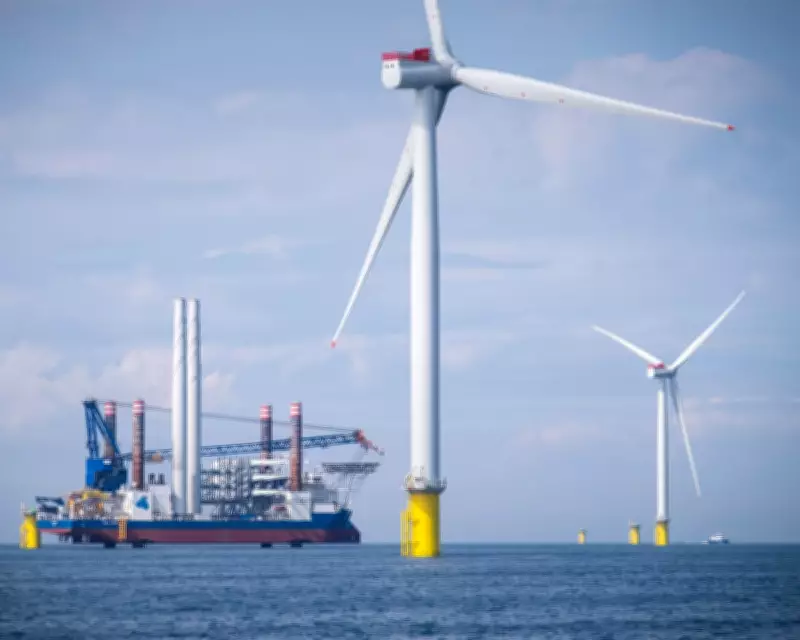
Many of Europe's flagship offshore and onshore windfarm developments depend heavily on specialized components manufactured in Asian industrial hubs. These large parts, including turbine blades, nacelles, and tower sections, are primarily transported via sea freight. The current delays in the Strait of Hormuz mean these essential components are stuck in transit, unable to reach European ports on schedule.

Project managers and energy companies are reporting growing concerns over potential cost overruns and missed commissioning deadlines. This supply chain snarl threatens to slow down Europe's ambitious transition to renewable energy, a cornerstone of the continent's climate policy and energy security strategy.
Broader Economic and Logistical Fallout
The implications extend beyond the renewable sector. The shipping delays are:
- Increasing freight costs due to longer routes and insurance premiums.
- Creating inventory shortages for various industries reliant on timely deliveries.
- Forcing logistics firms to scramble for alternative, often less efficient, transport solutions.
The instability highlights how regional conflicts can have rapid, far-reaching consequences for global business operations and strategic infrastructure projects thousands of miles away. Analysts warn that a prolonged crisis could necessitate a fundamental rethink of supply chain logistics for critical infrastructure components.