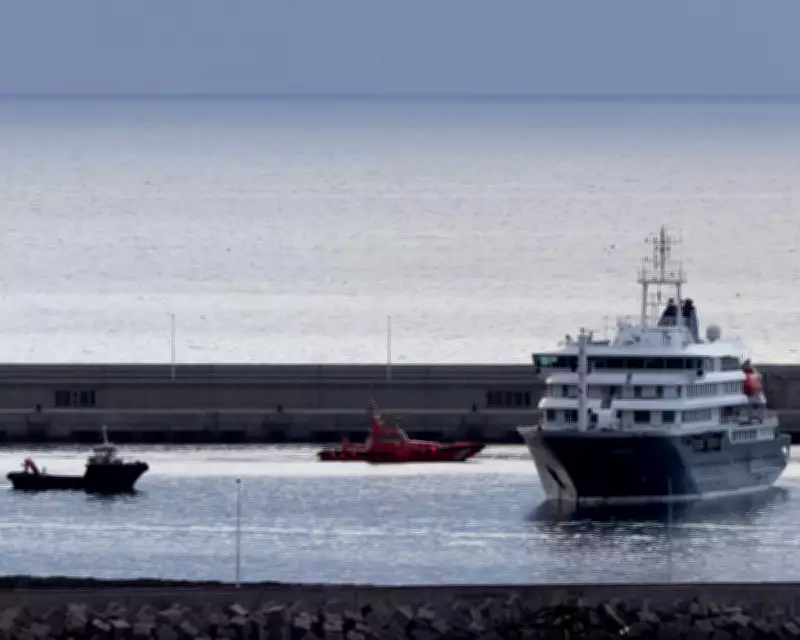
Spanish authorities launched an operation on Sunday to evacuate and transfer all passengers and part of the crew aboard the hantavirus-hit cruise ship MV Hondius. The outbreak of a lethal hantavirus strain has resulted in nine probable cases and three fatalities, prompting a global track-and-trace exercise.
What is Hantavirus?
Dr Charlotte Hammer, an infectious diseases epidemiologist at Cambridge University, explained that the specific strain is the Andes hantavirus, which can cause hantavirus pulmonary syndrome, a severe and often fatal lung disease. Transmitted from rodents to humans, it can also spread human-to-human through close contact.
The Outbreak Timeline
The MV Hondius departed Argentina on 1 April for an Atlantic voyage to Cape Verde. Within days, passengers showed symptoms including fever, gastrointestinal issues, pneumonia, and breathing difficulties. On 11 April, a 70-year-old Dutch man died onboard, followed by his wife two weeks later in Johannesburg. A third passenger, a German woman, died on 2 May. At least six more probable or confirmed cases include the ship's doctor and a guide, with three British patients.

When the ship reached Cape Verde, authorities refused docking. On 6 May, it headed to the Canary Islands. The first passengers disembarked under controlled conditions on Sunday, with 22 British nationals transferred to a Merseyside hospital for isolation.
Containment and Response
Dr Hammer described the outbreak as a challenge in epidemiology and international coordination. The World Health Organization leads the response, with Dutch and Spanish authorities involved. The most likely scenario is that one or two people contracted the virus in South America before embarkation, with limited onboard transmission.
Containment involves monitoring all exposed individuals. While the cruise ship environment facilitated spread, it also allowed for controlled evacuation. Tracking the 29 passengers who disembarked early is trickier, but their isolated departure points and global attention increase the likelihood of identification.
Public Risk Assessment
Dr Hammer emphasized that the risk to the public is low, as the virus requires significant close contact for transmission. Unlike COVID-19, pre-symptomatic spread is minimal. The WHO has stated this is not the start of a pandemic, with risks "absolutely low."
Overnight, two more passengers showed symptoms, and one tested positive. A French national displayed symptoms on a chartered flight, leading to strict isolation of all five French nationals. US authorities reported one positive case without symptoms and another with mild symptoms, both traveling in biocontainment units.
Lessons for the Future
This outbreak serves as a warning about global preparedness. Dr Hammer noted that another pandemic is likely, possibly originating from a zoonotic virus via a major transport hub. The US has cut funding for infectious disease research and left the WHO, while Argentina followed suit. The relatively contained drama underscores the need for coordinated global response.