Miami's Dawn Ritual Defies Tourism Challenges
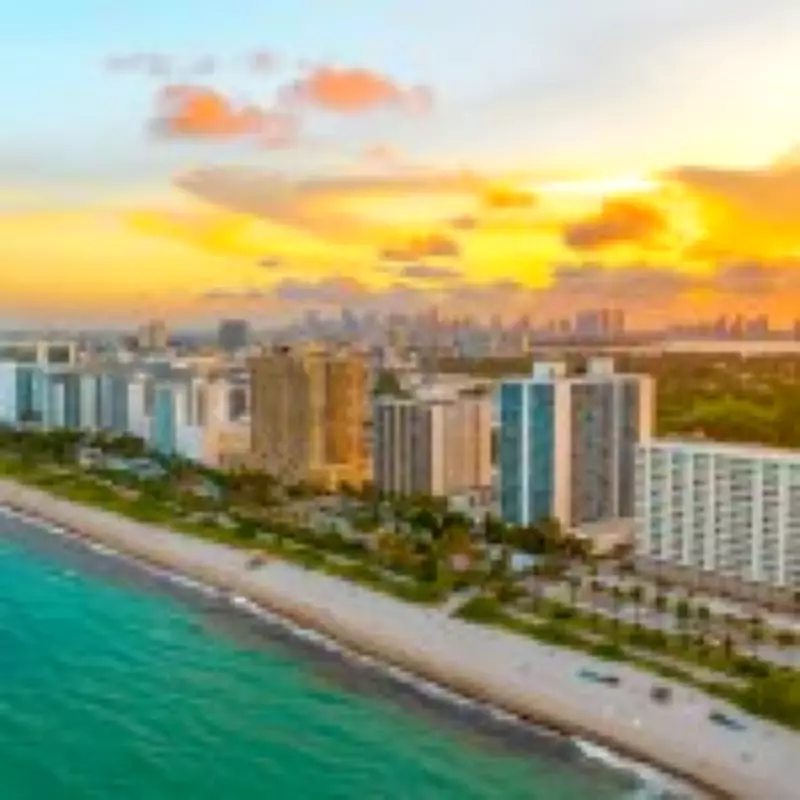
As the first light of day breaks over the Atlantic Ocean, Miami Beach reveals its most cherished daily tradition. Locals and visitors alike gather on the sand to witness the spectacular sunrise, a practice deeply embedded in the city's identity. This morning ritual represents just one facet of Miami's enduring charm, even as the broader US tourism industry faces unprecedented challenges.
The Political Storm Impacting American Tourism
Recent political developments have created significant headwinds for United States tourism. According to comprehensive analysis from the World Travel & Tourism Council, the country was projected to lose approximately $12.5 billion in international visitor spending during 2025. This troubling forecast positioned the United States as the only nation among 184 analyzed that was expected to experience a decline in international tourism revenue.
The timing is particularly unfortunate given what should have been a banner year for American tourism. 2026 marks several major milestones including the centenary celebration of Route 66, the 250th anniversary of American independence, and the country's co-hosting responsibilities for the FIFA World Cup.
Miami's Complex Cultural Landscape
Despite these national challenges, Miami continues to demonstrate remarkable resilience. The city recently elected its first Democratic mayor in nearly three decades, signaling potential political shifts in a traditionally conservative state. However, Miami and Florida face ongoing controversies regarding legislation affecting LGBTQ+ communities, including classroom discussion restrictions and bathroom access regulations.
Businesses throughout the Miami area report significant challenges, with many establishments forced to increase prices to remain operational. This economic pressure affects both visitors and long-time residents, creating affordability concerns in a city historically built by immigrant communities.
Exploring Miami's Diverse Neighborhoods
Miami Beach offers visitors a concentrated experience of the region's appeal. This barrier island features distinctive art deco architecture, expansive golden beaches, and a vibrant LGBTQ+ community. The area's nine-mile boardwalk provides scenic pathways for walking, cycling, and observing daily life, including the famous community cat colony established in 1912.
Art deco walking tours reveal fascinating historical details, such as the intentional use of red streets designed to evoke luxury and attract affluent visitors during the 1920s development boom. Ocean Drive remains a central hub for nightlife, featuring establishments ranging from sophisticated cocktail bars to legendary drag venues.
Cultural Immersion in Little Havana
A short drive from Miami Beach transports visitors to Little Havana, a neighborhood rich with Cuban and Latin American heritage. This district maintains authentic cultural traditions while welcoming tourists. Visitors can experience strong Cuban coffee from local vendors, observe intense domino games at community parks, and sample legendary Cuban sandwiches at traditional restaurants.
The area's commercial establishments showcase cultural artifacts including hand-rolled cigars and traditional Panama hats, while numerous street restaurants offer authentic culinary experiences.
Culinary Diversity and Artistic Expression
Miami's dining scene reflects its multicultural identity. Establishments range from hotels serving elaborate tomahawk steaks to innovative restaurants featuring grasshopper dishes and charcoal cocktails. The Wynwood district has transformed from industrial spaces to a street art destination, featuring massive murals including a prominent portrait of soccer star Lionel Messi commemorating his move to Inter Miami.
Adventure and Sustainable Tourism Options
For visitors seeking active experiences, speedboat tours provide exhilarating perspectives of Miami's shoreline and celebrity residences. Sustainable tourism operators offer specialized excursions exploring hidden historical aspects of various neighborhoods, including Downtown Miami, Coral Gables, and Coconut Grove—Miami's oldest residential area with surprising nightlife history.
Despite political and economic challenges, Miami maintains its distinctive character through cultural richness, culinary diversity, and community resilience. The city continues to welcome visitors with authentic experiences that transcend temporary tourism fluctuations, demonstrating why this sunrise city remains a compelling destination even during difficult times for American tourism.