
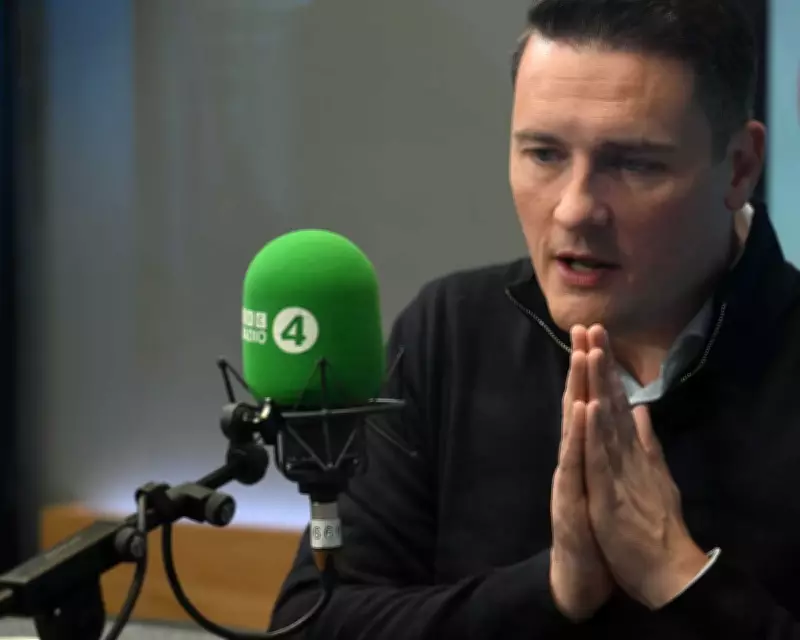
Former health secretary Wes Streeting has unveiled plans for a "wealth tax that works" by equalising tax rates on assets and income, as part of his bid for the Labour leadership. Streeting argued that the current system, where capital gains tax is significantly lower than income tax, is unfair and penalises work.
Current System Unfair
"The wealth gap in this country has widened, the opportunity gap in the country is widening and the gap between earned income and unearned income has also widened," Streeting told the BBC's Political Thinking podcast. He highlighted the example of a woman in Lancashire who pays a higher tax rate on her salary than her landlord pays on the rising value of the house she rents. "She slogs her guts out, he puts in far less effort, yet the state rewards him more than her. And we wonder why people are angry," he said.
Proposed Changes
Under Streeting's proposals, capital gains tax rates would mirror income tax bands: 20%, 40%, and 45%. A person's capital gains tax band would be calculated by combining their income and profits from assets. The plan could raise up to £12bn annually, according to Streeting. A 2024 report by the Centre for the Analysis of Taxation estimated that similar changes could raise £14bn.
Critics warn that raising capital gains tax could lead to capital flight, discourage investment, or encourage investors to hold assets longer to defer tax. However, Streeting argued that his plan would boost productivity by discouraging investment in less productive businesses. He proposed lower rates for genuine entrepreneurs who take risks building companies, ensuring the system rewards both workers and entrepreneurs.
Closing Loopholes
Streeting also called for closing loopholes that allow people to disguise income as capital gains, such as through personal service companies or share-based pay. He emphasised the need for a fair system that supports economic growth.
The Ilford North MP, who resigned from the cabinet last week and urged Keir Starmer to step down, warned that Labour must change course or risk handing power to Reform UK. He revealed he had the support of 81 MPs for a leadership challenge but decided not to proceed after learning that Greater Manchester mayor Andy Burnham was considering a return to parliament. "It was clear that if we had been plunged straight into a leadership contest... it would have been seen as a deliberate attempt to get ahead of Andy Burnham's potential return," Streeting said. He stressed the need to unite Labour's factions and beat Reform.




