
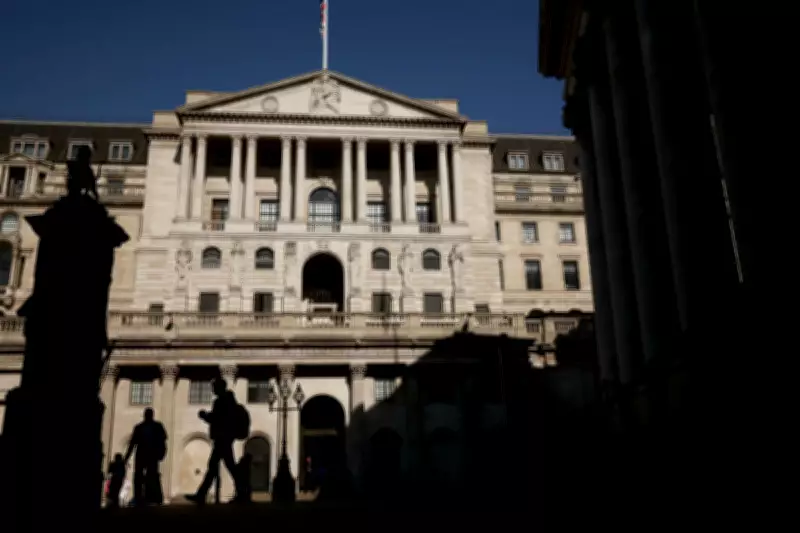
Bank of England's Gilt Market Overhaul Faces Strong Opposition from Traders
The Bank of England's ambitious plans to reform the gilt repo market have encountered significant resistance from bond traders and hedge funds, who warn that the proposed measures could actually concentrate risks and exacerbate vulnerabilities during financial crises. According to feedback collected by the central bank, market participants expressed broad concerns that key elements of the regulatory overhaul might prove counterproductive to maintaining financial stability.
Market Participants Voice Reservations About Central Clearing Proposals
Responses to the Bank of England's consultation revealed that while traders generally support efforts to enhance the bond market's resilience, they harbor serious doubts about the feasibility of two central pillars of the reform package. The proposed shift toward greater central clearing through third-party clearinghouses has drawn particular criticism, with respondents warning that the framework would impose excessive costs and potentially generate liquidity pressures during periods of market stress.
"While respondents broadly recognized the benefits of the reforms proposed, they also raised concerns about the proportionality and potential negative spillovers of market-wide measures," Bank of England officials acknowledged in their report summarizing the feedback received from fund managers and traders.
Concerns Over Leverage Restrictions and Haircut Caps
Bond traders expressed additional apprehension about the Bank of England's plans to limit their ability to build up large amounts of leverage cheaply. The proposed cap on the 'haircut'—the difference between a bond's market value and the amount banks allow it to be used as collateral—would significantly increase trading costs and potentially reduce demand for UK government bonds, according to market participants.
"Most respondents were not supportive of the potential introduction of minimum haircuts in the non-centrally cleared segment of the gilt market," officials noted in their report, highlighting the depth of opposition to this particular regulatory measure.
Background: Learning from the 2022 Gilt Crisis
The Bank of England's reform initiative stems directly from the traumatic events of 2022, when the central bank was forced to intervene in the bond market following former Prime Minister Liz Truss's mini-Budget. The resulting government bond rout was compounded by forced selling from highly leveraged pension and hedge funds, creating what has become known as the gilt crisis.
Since that episode, Threadneedle Street has been examining ways to reduce the fragility of the bond market during periods of stress, with particular focus on the repurchase agreements (repo) market where investors use gilts as collateral to borrow cash for highly leveraged trades. The Bank has previously identified this market as one of the main threats to the functioning of Britain's financial system.
Changing Ownership Patterns in UK Government Debt
Bank of England officials have repeatedly expressed concern about the increasing proportion of UK government bonds owned by risk-seeking hedge funds, which typically engage in more frequent trading than traditional institutional investors like pension funds and insurers. This shift in ownership patterns has raised the likelihood that government borrowing costs could experience wild, sudden swings.
In its biannual Financial Stability Report, the central bank noted that little-known international hedge funds were acquiring government debt at record levels, exposing the government's debt to potential market meltdowns. The amount of debt taken out using gilts as collateral reached its highest level in nine years of monitoring, with hedge funds borrowing approximately £100 billion in extra cash in November 2025 alone using their bonds as collateral.
This development has heightened concerns that an economic crisis or sudden bond price decline could trigger a full-blown gilt crisis, as traders would be forced to sell their bonds back to banks to cover their positions—a scenario the Bank of England's reforms aim to prevent but which market participants fear the proposed measures might actually worsen.




