Waymo, the American autonomous driving technology firm owned by Google's parent company Alphabet, is facing increasing calls to suspend its planned driverless taxi launch in London over safety fears. The company's vehicles have already been spotted on London's streets, but they are currently being operated by humans to map the city. The government plans to revise the Automated Vehicles Act later this year to permit driverless taxis in the capital, but a recent collision has sparked controversy.
What Happened in Harlesden?
On April 22, a Waymo vehicle collided with an active crime scene in Harlesden, Brent. This incident led to Brent's Green party launching a petition urging Mayor Sadiq Khan to pause the rollout of driverless taxis due to safety concerns. Waymo, however, emphasizes that its vehicles are considerably safer than human drivers, particularly for pedestrians and cyclists.
How Do Waymo Driverless Taxis Work?
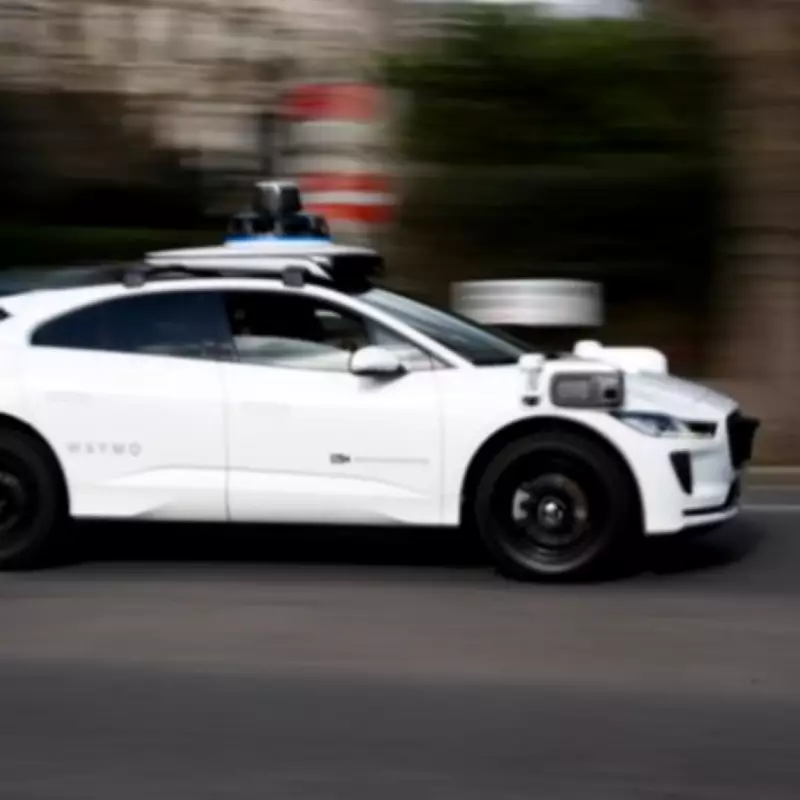
Waymo driverless taxis are electric vehicles equipped with a combination of cameras, radars, lidars, and ultrasonic sensors positioned around the vehicle. A computer in the boot processes data to determine real-time driving responses. The sensors can visually cover distances up to 500 meters from every angle, allowing the vehicle to operate without a human safety driver when fully functional. However, all taxis retain steering wheels for manual override in emergencies.

Nicole Gavel, head of business development and strategic partnerships at Waymo, stated: "Our sensors are able to perceive the world around them, much better, much more accurately and with more of a field of view than human drivers can." She added that the vehicle achieves a "superhuman level of perception."
When Could Waymo Taxis Launch?
The Department for Transport (DfT) stated that automated vehicles will only be allowed on public roads if they meet robust safety requirements and have local authority support. The DfT told the LDRS: "Keeping people safe on our roads is always our priority. Self-driving vehicles could unlock billions for the UK economy, but they will not be allowed to operate unless they have met robust safety requirements and received the backing of the relevant local authority."
Currently, Waymo vehicles in London are in a testing phase only, not carrying passengers, and have safety drivers on board at all times. If all goes to plan, Waymo aims for full autonomous operation by the end of 2026, subject to regulatory approval. It remains unclear which areas of London will have access, but airport routes are reportedly not included.