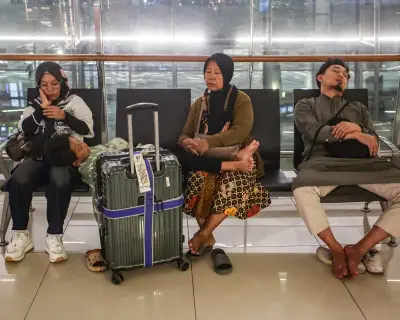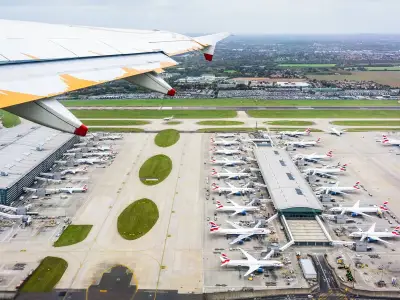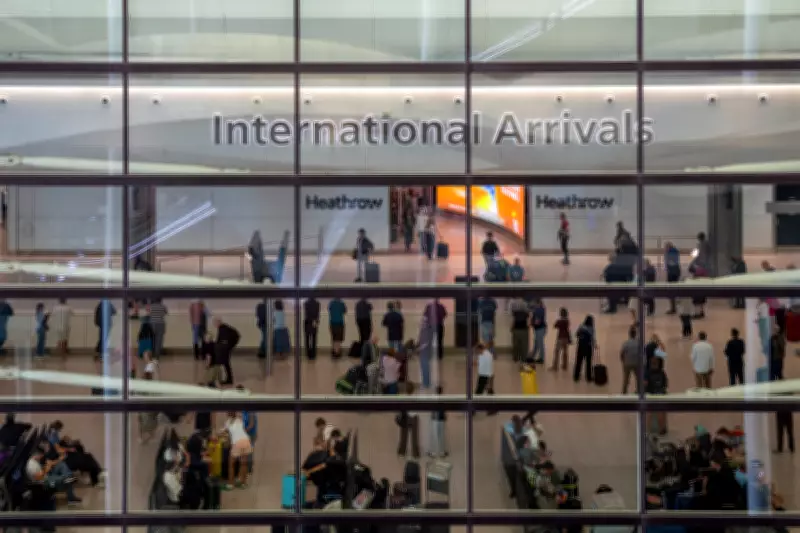
Heathrow traveller volumes dropped in April as fewer passengers headed to Europe's biggest airport, with the war in the Middle East keeping travellers grounded. Passenger numbers fell by five per cent in April to 6.7 million, attributed to the ongoing impact of the Middle East conflict.
Sharp Decline in Middle East Travel
For those heading to that particular region, Heathrow saw a whopping 50 per cent drop in volumes. Still, in the year-to-date (January to April) traffic maintained modest growth at 1.2 per cent. Transfer demand grew ten per cent in April, as travellers rerouted through Heathrow to reach Asia and Oceania, helping offset losses in direct Middle Eastern travel. Travel to Asia remained a major growth driver, with a 5.6 per cent increase in April and a 10.6 per cent increase year-to-date.
Thomas Woldbye, Heathrow's chief executive, said: "We know passengers want certainty when planning their hard-earned summer holidays, so we are supporting Government and airlines as they work through their plans to get passengers on their journeys."

Jet Fuel Crisis Worse Than Covid
Growing anxieties around the jet fuel shortage caused by the Iran war have rocked the travel industry. Tony Fernandes, chief executive of Air Asia, said last week: "I thought I’d seen it all with Covid [...] but having seen jet fuel go up almost three times — this is much worse."
Supplies for jet fuel have tumbled to their lowest level since records began as the war blocks crucial shipping lanes for fuel. Spirit Airlines, a US-based low-cost airline, last week collapsed under mounting pressure caused by surging oil prices. The firm had failed to secure a $500 million lifeline from the Trump administration, leaving it to go out of business and cancel all flights.
Researchers at Allianz Trade warned the UK is among the most "structurally exposed" to jet fuel shortages. Meanwhile, Transport Secretary Heidi Alexander has loosened "use it or lose it" rules in a bid to soften the pressures facing airlines.
Woldbye added: "While we have seen some short-term disruption linked to the Middle East conflict, demand for travel remains strong with current fuel supplies stable."