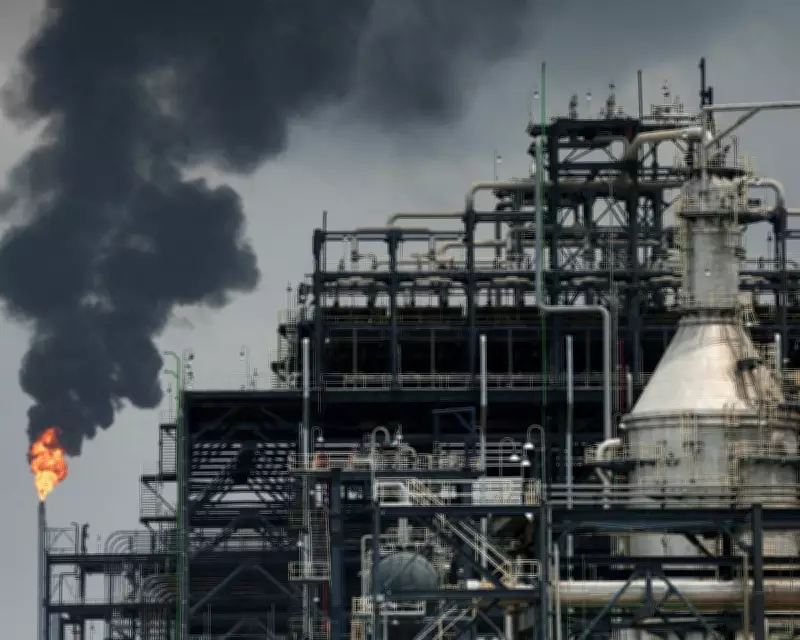
The Dangote refinery in Lagos, Nigeria, has become a critical component of the UK government's strategy to prevent a summer jet fuel shortage, despite facing accusations of anti-union practices. In March, the facility supplied approximately 130,000 tonnes of jet fuel to the United Kingdom, according to data from market analytics firm Kpler.
Government Response to Hormuz Crisis
Transport Secretary Heidi Alexander announced over the weekend that the UK is increasing fuel imports from the United States and West Africa to mitigate the impact of the Strait of Hormuz closure, which has effectively halted fossil fuel shipments from the Gulf since February 28. The strait is a vital shipping channel through which one-fifth of the world's oil and gas passes.
Alexander stated: "We're importing a lot more jet fuel from the US. We have also asked the refineries here to maximise production. We've got fuel for refineries that produce jet fuel here, we've got more oil, jet fuel coming from refineries on the west coast of Africa as well."

Dangote Refinery's Role
The Dangote refinery, owned by Africa's richest man Aliko Dangote, began producing aviation fuel in January 2024. It is the primary West African refinery exporting fuel to the UK for commercial flights. In March, the UK imported 130,000 tonnes of jet fuel from the plant, with an additional 60,000 tonnes en route expected to arrive shortly.
Matt Stanley, head of market engagement at Kpler, noted: "In March, [the UK] bought 130,000 tonnes. There is 60,000 tonnes that is on the way now and should arrive [on Tuesday]. The main import hub for … Heathrow is in the Isle of Grain."
Labour Disputes
Despite its strategic importance, the Dangote refinery has been embroiled in labour controversies. Last autumn, the Nigerian government mediated a dispute after the company was accused of sacking over 800 workers who had joined the Petroleum and Natural Gas Senior Staff Association of Nigeria (Pengassan) union. The company allegedly replaced some with foreign nationals, mostly from India.
Dangote Industries denied the allegations, stating that a limited reorganisation targeted a small number of workers disrupting operations. The company claimed it still employs over 3,000 Nigerians and does not block union participation. However, the Nigerian Labour Congress accused Dangote of "union-busting, exploitative labour practice" and paying "one of the lowest wages in the oil and gas sector."
The government intervened, confirming the right to union membership and agreeing that Dangote would redeploy disengaged staff to other companies within the group with no loss of pay. An internal memo reportedly confirmed that affected staff were being recalled.
A spokesperson for Dangote Industries said: "We have free association and we respect it. ... The picture is clear today. The same unions are extolling our industrialisation strategy and expressing positive sentiments over our vision for rescuing the country from perennial fuel shortage."
UK Refinery Capacity
The UK has four remaining refineries: Fawley in Hampshire (ExxonMobil), Humber in Lincolnshire (Phillips 66), Pembroke in Milford Haven (Valero), and Stanlow in Cheshire (Essar). These facilities have been asked to maximise jet fuel production, but Alexander acknowledged their output would not be sufficient to meet summer demand.
Despite the challenges, the transport secretary expressed confidence that most holidaymakers would experience a normal summer. She emphasised that the UK is securing fuel from multiple sources to keep planes flying.
Stanley added: "With jet fuel, you will pay what you have to pay. I think the winners ... will be the US refineries, for sure, and Dangote. You go to whoever has got the barrels. It's less about pricing, it's about volume, and they just want to keep the wheels turning."