Brent crude continued its decline on Tuesday, falling below $98 a barrel as optimism grew over a potential peace deal between the US and Iran. The global benchmark slid to $97.48 a barrel, down $12 or nearly 11%, marking the lowest level since April 22. US West Texas Intermediate crude also dropped 11.3% to $90.74 a barrel.
Peace Hopes Drive Oil Prices Down
According to Reuters, a Pakistani source indicated that the US and Iran are moving closer to an initial peace agreement. This development triggered a wave of risk-on trading across financial markets, as investors embraced a so-called peace dividend. David Morrison, senior market analyst at Trade Nation, commented: “This move triggered a wave of ‘risk-on’ trading across financial markets as investors added on a ‘peace dividend’ across the board. There have been no further details concerning what may be included in the memo. But hopes are high that the Strait of Hormuz may soon be reopened, and preferably without Tehran insisting on a toll for shipping passing through.”
Strait of Hormuz Reopening
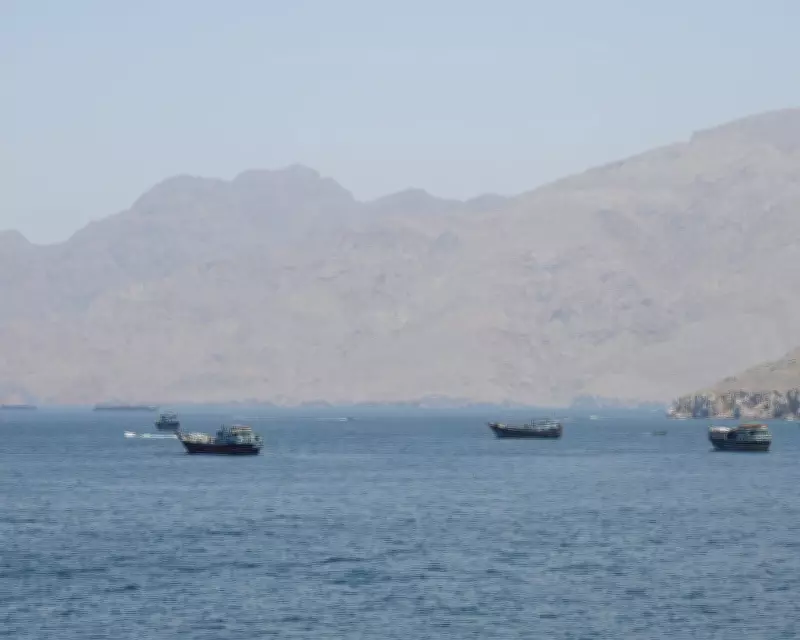
The Strait of Hormuz, a critical chokepoint for global oil shipments, has been a focal point of tensions. Iran’s Islamic Revolutionary Guard Corps (IRGC) navy announced that the strait could reopen following the end of “threats from aggressors,” as reported by state media and Reuters. In social media posts, the IRGC thanked captains and shipowners in the Gulf for complying with Iran’s regulations and contributing to regional maritime security. It stated: “With aggressor’s threats neutralised and new protocols in place, safe [and] stable passage through [the strait] will be ensured.”

Market Implications
Despite the positive sentiment, analysts caution that normalisation in shipping and trade flows could take months, even if the strait reopens. Surging energy costs have already begun to create demand destruction globally. While oil inventories are not critically low, uneven distribution and declining buffers continue to raise concerns about localised shortages. The market remains watchful for further developments.