Sports Content Ignites Ad-Funded Streaming Revolution
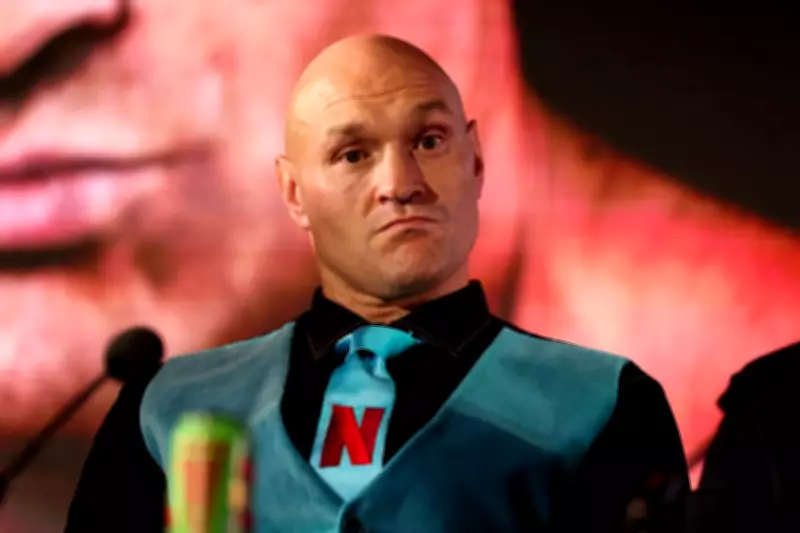
In a significant shift for the media landscape, streaming platforms are increasingly turning to sports content to fuel advertising revenue, moving beyond the traditional model of expensive broadcast rights. This trend is exemplified by Netflix's strategic expansion into personality-driven programming and selective live events, such as Tyson Fury's upcoming comeback fight scheduled for April 11, 2026. Rather than investing billions in owning live rights, platforms are building a flexible "sports layer" that engages audiences through innovative formats.
Personality-Led Programming and Live Events
Netflix has been quietly developing this approach over the past year, incorporating sports video podcasts from networks like Gary Lineker's Goalhanger and Bill Simmons' The Ringer. These formats, alongside one-off live spectacles, offer a cost-effective alternative to premium scripted content while delivering recurring audience attention. Other major players, including Disney+ with its Vibe Check studio show and YouTube using Brandcast to frame sporting moments as cultural events, are adopting similar strategies. This model leverages personalities and creator content to sustain engagement between major live events, defending viewing time and keeping audiences within platform ecosystems.
Programmatic Advertising and Scalable Inventory
For brands and advertisers, the implications are profound. The expansion of sports personalities, video podcasts, and live events creates new streams of advertising inventory that can be activated programmatically. This method transforms fragmented sports attention into scalable opportunities, allowing brands to identify audiences, sequence messages across channels, and activate based on behavior rather than relying on single broadcast slots. A brand can reach viewers on connected TV, reinforce messages through digital out-of-home near stadiums, and continue engagement via podcasts and mobile placements, mirroring how sports attention now moves across screens.

Economic Advantages and Market Shifts
Live sports rights have become among the most expensive assets in global media, but personality-driven formats and video podcasts offer a cheaper way to capture attention. This shift is driving growth in advertising tiers, as streaming platforms seek scalable, brand-safe inventory that runs consistently alongside blockbuster releases. Recurring sports formats enable contextual advertising and natural brand integrations, with programmatic tools making this inventory easier to buy, measure, and optimize across channels like streaming, audio, mobile, and out-of-home.
The Role of Live Events and Cultural Moments
While personality-driven content provides frequency, live sport remains crucial for delivering collective attention and cultural moments that fragmented media struggles to replicate. One-off fights or special broadcasts allow platforms to capture spikes in attention without the financial exposure of long-term rights packages. For marketers, these events extend opportunities beyond standard ad placements to include integrations, sponsorships, and contextual presence, offering cultural scale without the high costs.
Emergence of a Sports Middle Tier
These developments point to a new middle tier in sports media, situated between billion-pound rights deals and creator-led social content. This layer includes personality-led programming, creator access, and selected live moments, delivering regular engagement with occasional attention spikes. For marketers and agencies, this hybrid model is reshaping how sports audiences are reached, as evidenced by recent moves in the agency market. Over the past year, major agencies like WPP, Dentsu, Havas, Publicis, Stagwell, and Omnicom have expanded their sports and entertainment offerings, treating sport as a versatile channel in the wider media mix.

Future Outlook and Industry Impact
Owning sports rights is no longer the sole strategy for capturing sports audiences on streaming platforms. Instead, the focus is on building flexible sports ecosystems around personalities, creator content, and selective live events. This approach ushers in scalable environments where brands can reach sports audiences repeatedly throughout the year. As the attention economy evolves, platforms that successfully integrate these elements will lead the way in driving advertising revenue and audience engagement, marking a transformative period for sports media and marketing.