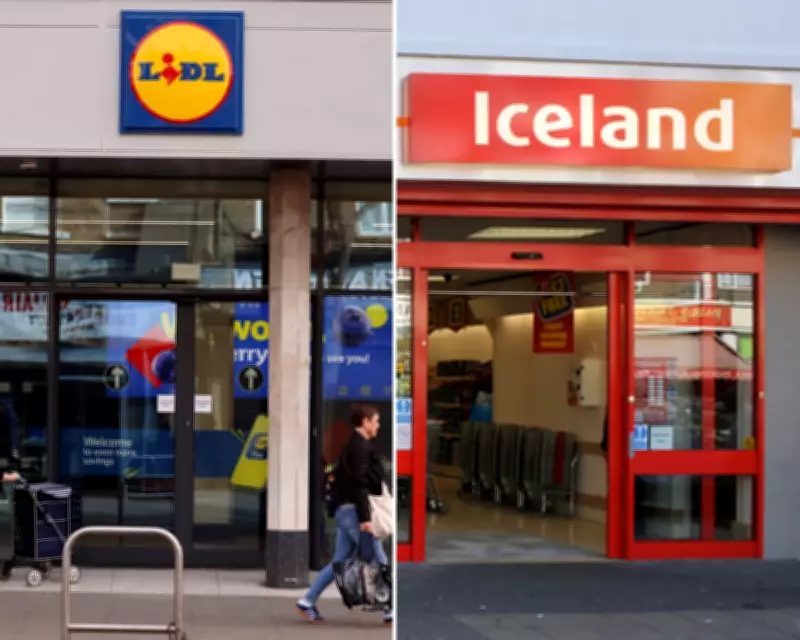
Supermarket Giants Face First Advertising Bans Under UK's New Junk Food Regulations
The Advertising Standards Authority has issued its first enforcement actions under the United Kingdom's stringent new junk food marketing regulations, targeting two major supermarket chains. Lidl and Iceland have both received advertising bans after the ASA determined their promotional materials violated rules designed to curb childhood obesity by restricting the promotion of unhealthy food products.
Strict New Regulations Take Effect
Since January 5th, the Advertising Standards Authority has been actively enforcing comprehensive restrictions on junk food marketing across multiple platforms. The new regulations prohibit television advertisements for high-fat, salt, and sugar products before 9:00 PM and ban paid online advertising for these items at any time of day. These measures represent a significant component of the government's broader strategy to address rising childhood obesity rates throughout the nation.
Lidl's Influencer Marketing Violation
Lidl Northern Ireland faced censure for an Instagram post created by popular beauty and lifestyle influencer Emma Kearney, known online as Baby Emzo. The paid promotional content featured a tray of pain suisse, a French pastry filled with vanilla cream and chocolate chips. A complainant alerted the ASA that this product qualified as a "less healthy" food item under the new nutrient profiling model.

While Lidl argued the advertisement was intended as brand-focused content, which remains permissible under the regulations provided no identifiable junk food products are displayed, the company ultimately acknowledged the post did specifically promote a banned individual product. This case highlights the challenges companies face in navigating the precise boundaries of the new advertising restrictions.
Iceland's Digital Display Advertisement Issues
Iceland Foods encountered similar difficulties with digital display and banner advertisements running on the Daily Mail website. These promotions featured multiple confectionery products including Swizzels Sweet Treats, Chupa Chups Laces, Choose Disco Stix, and Haribo Elf Surprises. Under the new regulatory framework, chocolates and sweets automatically fail the nutrient profiling assessment and receive classification as high-fat, salt, and sugar products that cannot be advertised.
The supermarket chain explained that while it requests nutritional information from all suppliers, significant data gaps persist in the information provided. Iceland has contracted a specialized data provider to compile monthly nutritional assessments of all products featured on its website to identify items classified as "less healthy." However, in this instance, the problematic advertisements appeared on the Daily Mail platform rather than Iceland's own digital properties.
Regulatory Enforcement and Industry Implications
The Advertising Standards Authority upheld complaints against both supermarket chains and formally banned the offending advertisements. The regulatory body has instructed Lidl and Iceland to implement more rigorous compliance measures ensuring their digital marketing materials do not feature products that violate the junk food advertising restrictions.
These landmark cases establish important precedents for how the ASA will interpret and enforce the new regulations moving forward. Food retailers and manufacturers across the United Kingdom must now carefully scrutinize their marketing strategies, particularly influencer partnerships and third-party advertising placements, to avoid similar enforcement actions. The rulings demonstrate the ASA's commitment to rigorous enforcement of the childhood obesity prevention measures, signaling a new era of accountability for food industry marketing practices.