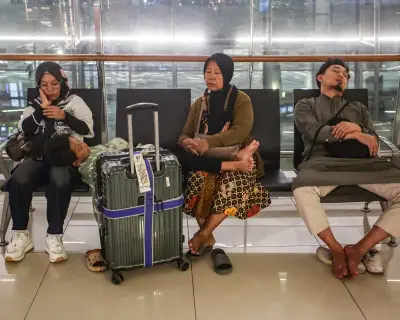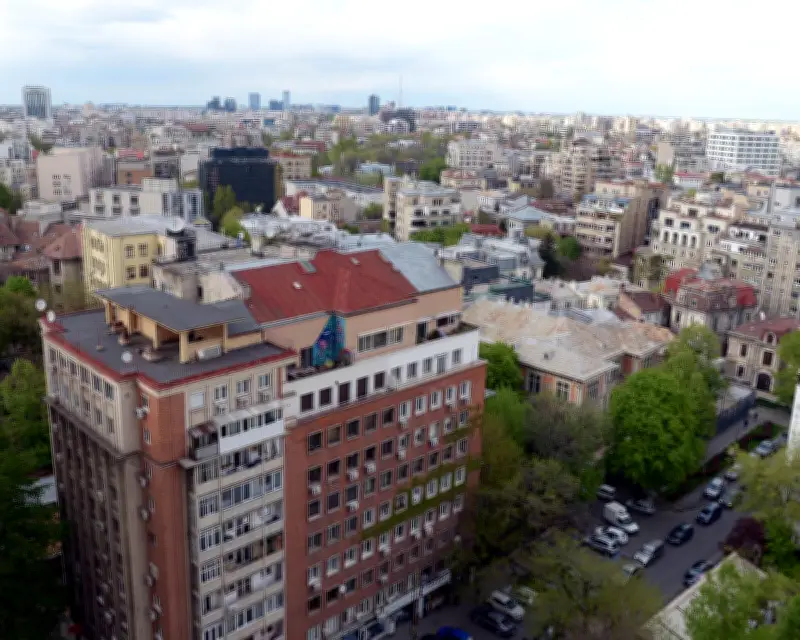
Tourists in Bucharest are staying in illegal accommodation listed on Airbnb and Booking.com in buildings so seismically vulnerable they could collapse in a major earthquake, according to exclusive data shared with the Guardian. Analysis by Re:Rise, a Romanian organisation focused on seismic risk reduction, identified at least 207 illegal tourist rental properties advertised on the two platforms at the end of May, with a combined capacity to host more than 1,000 visitors each night.
Platforms and violations
Booking.com listed 116 of these properties, 47 were on Airbnb, and 44 listings appeared on both platforms. All were in buildings qualifying for the highest level of seismic risk, classified as RS1. In 2024, Romania outlawed short- and long-term rentals in RS1 buildings to clamp down on unsafe housing. Violations carry fines of €1,000 (£850) to €2,000. The capital has at least 404 such buildings where renting is illegal, but only a fraction of the city’s housing stock has been formally assessed, suggesting the true scale is greater.
Seismic vulnerability
Bucharest is the most seismically vulnerable capital in the EU. Two major earthquakes in the last century include the 1977 quake that killed more than 1,500 people, injured over 10,000, and destroyed 32 buildings in under a minute. Experts believe another such earthquake is inevitable, warning that damage could exceed previous disasters because much of the city’s building stock has become structurally unsound in recent decades.

“We tried everything possible to alert the platforms about this problem, but they told us it is the responsibility of the owners, not theirs,” said Matei Sumbasacu, a structural engineer and founder of Re:Rise. Neither Airbnb nor Booking.com requires hosts to declare whether properties are structurally sound.
Tourist experiences
Ana Todor, who booked two Airbnb stays in apartments in RS1 buildings in 2025, said she felt owners and platforms were “counting” on guests not scrutinising rules. “But when I got there, the building looked terrible from the outside and didn’t give me a good feeling,” she said. “Descriptions that downplay the danger are a Hello Kitty plaster on a deep crack.” Todor was unaware renting in such buildings was illegal and now factors building condition into booking decisions. “Every time I travel to Bucharest now, I don’t sleep well at all; I’m always on edge.”
Specific listings
One Airbnb listing, a two-bedroom “designer condo” in University Square, charges about €100 a night and accommodates up to six guests. A review from last October noted the building was “old and appears sketchy from the outside”. A superhost on Airbnb has 25 listings, at least six in RS1 buildings. One flat in Roman Square is described as a blend of “classic charm with modern comfort”. Only two of the confirmed listings disclosed seismic risk in descriptions, but both downplayed the danger. One host noted the accommodation “may appear in older seismic risk classifications” as “common for historic buildings”.
Warning signs and enforcement
By law, RS1 buildings must display a red dot above the entrance with a notice in Romanian stating the seismic risk. For foreign visitors, the warning is effectively invisible. After failed attempts to warn Airbnb and Booking.com, Re:Rise volunteers began placing stickers with QR codes on key lockboxes outside RS1 buildings, linking to information about seismic risk. “The state could go directly to the platforms and oblige them to act,” said Sumbasacu. “The main institution responsible for anyone visiting the city is the city hall.”
Bucharest city hall said local police inspect only in response to complaints and notified the tourism ministry in January to factor the rental ban into authorisation. An information campaign sent approximately 3,000 notifications to apartment and building owners.

Platform responses
An Airbnb spokesperson said: “Safety is a priority for Airbnb and we take issues like this seriously. We are currently investigating based on the information available so we can take the appropriate action.” Airbnb asked the hosts of Todor’s stays to prove their listings were not in RS1 buildings, threatening delisting. A Booking.com spokesperson said: “Our accommodation partners should ensure that they are aware of their obligations and acting in accordance with all local laws, and we have a solid process in place for authorities to report any listings they might have concerns about.”
Broader risks
Bucharest had more than 2 million visitors in 2025, the highest in Romania. Much of the city’s infrastructure—including schools, administrative buildings, theatres, fire stations, and private properties—remains at high seismic risk. Retrofitting after the 1977 earthquake was cut short when communist dictator Nicolae Ceaușescu redirected funds to build the Palace of Parliament. Since 1994 retrofitting legislation, only 35 buildings have been reinforced. A 2022 risk assessment estimated that a major earthquake could severely damage about 23,000 buildings, kill approximately 6,500 people, and seriously injure 16,000.