Six London Underground stations take their names from historic pubs, a tradition that began as the tube network expanded across the capital. Among them are Angel, Elephant and Castle, Maida Vale, Manor House, Royal Oak, and Swiss Cottage, each with a unique story linking the station to a local boozer.
The Angel station on the Northern Line, which opened in 1901, is named after the Angel pub in Islington, an establishment that dates back to 1614. The original pub closed in 1959, but a Wetherspoon pub with the same name opened next door in 1998. That branch, however, closed in 2023, according to MyLondon.
Stations with Pubs That Still Stand
Elephant and Castle station, which opened in 1890, takes its name from a pub that has existed since 1765. The pub was rebuilt twice and demolished in 1959, but a modern version was later built. After a brief closure in 2015 due to a customer injury, locals protested against a plan to convert it into an estate agents, leading the council to grant it protected status. It reopened as a craft beer venue and continues to operate.
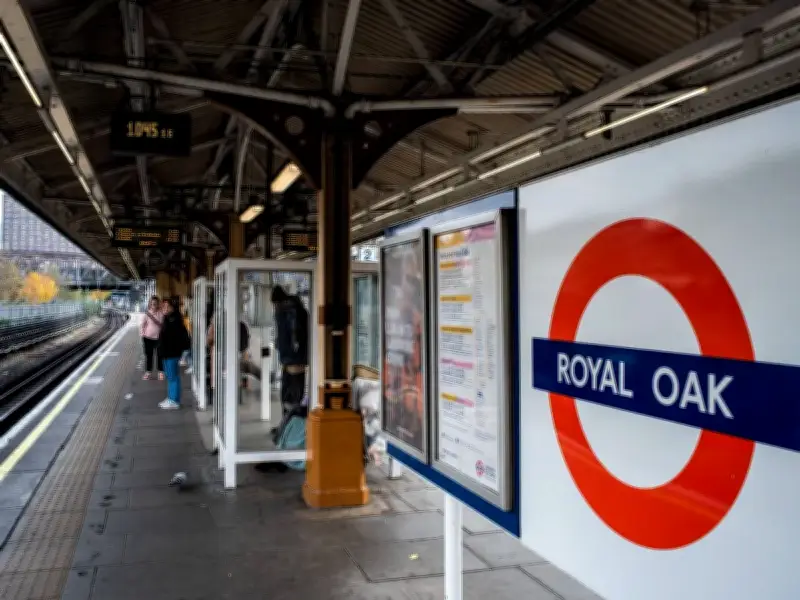
Royal Oak station on the Hammersmith and City and Circle lines, opened in 1871, is named after The Royal Oak pub, which was later renamed The Railway Tap and then The Porchester. The Porchester remains open today, known for its eccentric garden and board games.
Maida Vale and Manor House's Pub Origins
Maida Vale station, which opened in 1915, is a Grade II listed building and the first station entirely staffed by women. Its name, and that of the surrounding area, comes from the Hero of Maida pub on Edgeware Road, which first opened in 1806. The original pub no longer stands, but in 2018, the Truscott Arms was relaunched as the Hero of Maida.
Manor House station on the Piccadilly line, which opened in 1932, is named after a tavern built in the early 1830s. Queen Victoria visited the pub in 1843, and a nightclub next door hosted acts like The Rolling Stones and Fleetwood Mac in the 1960s. Today, the building is a shop.
Swiss Cottage's Peculiar Name Explained
Swiss Cottage station, which opened in 1939, takes its name from a pub built in the style of a Swiss chalet in the early 1800s. The Swiss Tavern became known as Swiss Cottage, and the station adopted that name. Ye Olde Swiss Cottage still serves pints today in its distinctive building.
These six stations highlight how pubs have shaped London's geography, with some names enduring even after the original establishments have closed or changed.