Perivale Underground station on the Central Line in West London remains a striking example of 1930s architecture, retaining many of its original design features despite being completed only in 1947. The Grade II listed building, originally designed in 1938, was part of the London Underground's ambitious New Works Programme (1935-1940).
A Design Delayed by War
The station's construction was interrupted by the Second World War, which pushed its completion to 1947. Designed by Brian Lewis, the chief architect to the Great Western Railway, the building reflects the modernist style pioneered by celebrated London Underground architect Charles Holden in the 1920s and 30s. Lewis later gained recognition for his masterplan for the National University in Canberra, Australia.
Located in the leafy suburbs north of Ealing, the station was formerly known as Perivale Halt. It formed part of the Central Line's extension to West Ruislip, a key component of the New Works Programme.
Architectural Highlights and Original Features
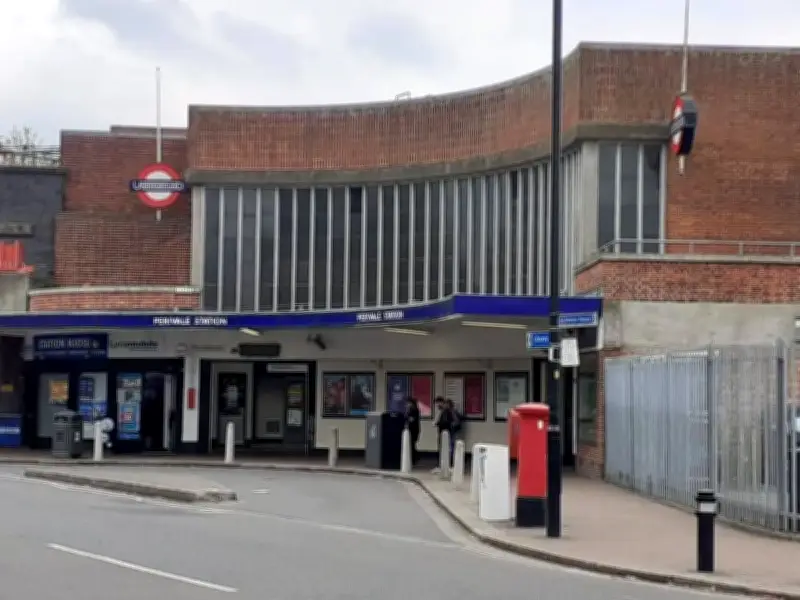
According to Historic England's listing, the station's defining characteristics include a concave (curved inwards) red brick frontage and a façade distinguished by an impressive clerestory window — an elevated section of wall featuring windows above eye level to allow natural light into the station. The building also boasts distinctive reinforced concrete divisions between the windows and a lintel that follows the concave plane of the façade and wraps around its corners.
Attached to the brickwork on either side of the frontage is a striking pole-mounted roundel reading "UndergrounD", complete with dashed underlining. Inside, the ticket hall features a ceiling of exposed concrete beams radiating outwards from the curved façade. A recess designated for telephones remains visible, with traces of the original three separate kiosks still noticeable in the flooring.
A Glimpse into the Past
The glazed curved roof of the ticket hall bathes the hall beneath in natural light, and there's also a glazed waiting room fitted with original timber benches at its western end. The exterior walls retain the original poster display panels surrounded by black tiles.
Perivale station transports visitors back to an era around World War Two, making it easy to picture gentlemen in crisp suits and bowler hats waiting on the platforms for their journey into London for work. The station remains a testament to 1930s Underground architecture and continues to serve passengers on the Central Line.