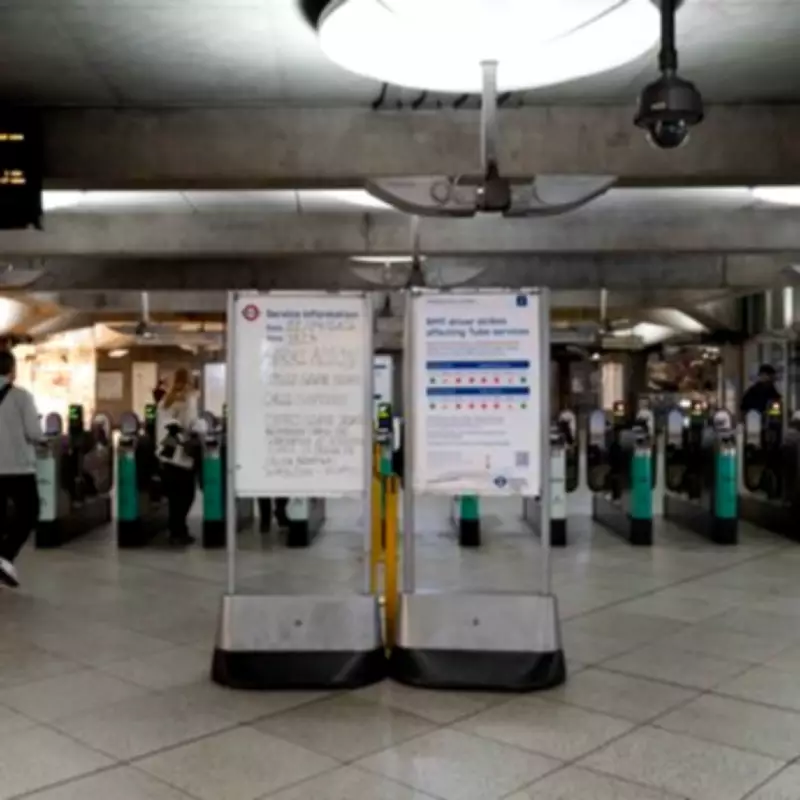
London Underground strikes are set to cause major disruption once again next week as the Tube driver dispute drags on. Passengers faced line closures and severe delays across four days between April 21 and April 25 in the first of three rounds of walkouts.
Strike Schedule and Expected Disruption
The Rail, Maritime and Transport Union (RMT) will stage two 24-hour strikes starting at midday on Tuesday, May 19 and Thursday, May 21. Transport for London (TfL) said the disruption should be similar to last month's walkout, when the Circle line was entirely out of action and part suspensions affected the Central, Metropolitan and Jubilee lines. All other lines operated with minor or severe delays, and trains stopped running at around 8pm on strike days.
The Core Dispute: Four-Day Working Week
The ongoing dispute centres on TfL's proposal to introduce a voluntary four-day working week for Tube drivers. Currently, drivers work 36 hours spread across five days. TfL wants a new opt-in pattern of 35 hours across four days. Rival union ASLEF has accepted this, but the RMT claims the compressed week could impact driver fatigue and passenger safety. Instead, the RMT is pushing for a 32-hour week across four days, which TfL chief operating officer Claire Mann has branded "unaffordable," costing tens of millions.
Negotiation Status
TfL continues to hold weekly meetings with both unions, but specific talks with the RMT have not taken place. Both sides maintain their positions from before and after the April strikes. TfL insists the new pattern is voluntary and fair, while the RMT finds the wider offer—including longer shifts, reduced breaks, and restrictions on depot transfers—unacceptable. Regional officer Jared Wood said: "RMT members are striking because London Underground is imposing changes with absolutely no negotiation."
As it stands, next week's strikes, along with more in mid-June, are expected to go ahead. TfL said a more comprehensive update is expected on Thursday, May 14.
Disruption Timeline for May Strikes
Tuesday, May 19 and Thursday, May 21: Morning services normal until mid-morning; late morning disruption as services reduce; after midday significant disruption on all lines.
Wednesday, May 20 and Friday, May 22: Significant disruption in the morning; continued disruption in the afternoon and evening as services return to normal; normal service by evening.
Recent History of London Transport Strikes
- 2022 (June–August): Multiple Tube and rail walkouts over pay and job security.
- 2023 (March & July): 24-hour strikes over pensions, pay freezes, and working hours.
- 2024 (January): Mayor Sadiq Khan averted RMT strike with £30m pay offer.
- 2024 (April): ASLEF strike cancelled after improved pay offer.
- 2024 (November): RMT and ASLEF strike called off at the last minute.
- September 2025: Seven-day Tube and DLR strike over fatigue and shift patterns.
- March 2026: Two 24-hour strikes suspended; two extra dates added.
- April 2026: Two 24-hour strikes went ahead.
- May and June 2026 (planned): Two 24-hour strikes each month.
The November Pay Offer
In November, TfL and unions agreed to a 3.4% pay rise for all London Underground staff, taking experienced driver salaries close to £80k per year. Salaries would also increase with inflation, with the third year at 0.2% above RPI. However, this only delayed strikes, as the core issue remains the four-day week terms. ASLEF accepted the deal and is not participating in current walkouts.
Tips for Travelling During Strikes
Use Alternative Transport: Buses, Elizabeth line, and Overground services will run but expect queues. Walk or cycle for journeys under 2 miles. Dockless bikes and e-scooters saw high usage during September strikes.
Plan Around Disruptions: Some stations may close temporarily. Check your route before traveling and allow at least double normal travel time. Avoid peak hours of 7-9am and 5-7pm.
Prepare in Advance: Work from home if possible. Map out essential journeys and backup routes using TfL's journey planner. Book accommodation near Overground or Elizabeth line stations if visiting London.