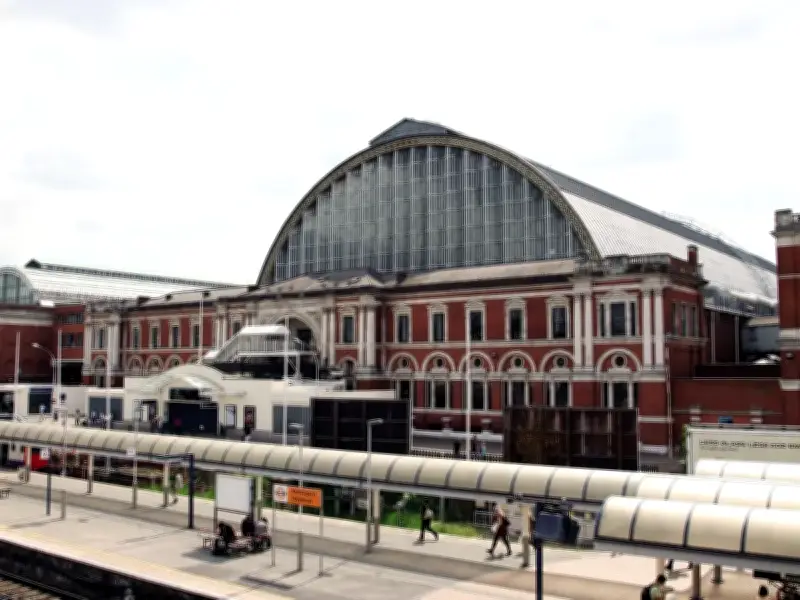
Kensington (Olympia) station, a West London rail and Tube stop in Zone 2, was conspicuously absent from London's transport maps for nearly two decades because of its secretive use during and after the Second World War. The station, currently served by the London Overground and the District line, offers a convenient means of bypassing Zone 1, as all its Overground services run entirely within Zone 2.
A Station With a Troubled Start
Originally opened as Kensington station in 1844, it proved so unpopular that it closed its doors in December of the same year. The station re-opened in 1862 with new services, among them the Metropolitan line, and was renamed Kensington Addison Road in 1868.
During the Second World War, the Metropolitan line sustained bomb damage, leading to the closure of the West London stations along the line. However, this was not the end of the road for Kensington station, as it occupied a particularly advantageous location.
Eisenhower's Preferred Departure Point
Not only did the station benefit from rail connections to the whole of London, but it also sat within easy reach of the headquarters of the Commander of the Allied Forces, led by Dwight D Eisenhower. It became his preferred departure point, including when he journeyed to Wales in 1944 to make preparations for the Normandy landings.
In 1946, the station was renamed Kensington (Olympia) and began serving workers at the Post Office Savings Bank. The station was kept under wraps by the Post Office Savings Bank under the National Secrets Act, and it wasn't until 1958 that it gained official recognition.
Official Recognition and Redevelopment
That same year, Kensington (Olympia) acquired a permanent platform alongside a District line shuttle service to Earl's Court. Following its redevelopment, the station introduced more regular timetables, established a community garden, and underwent a cosmetic refurbishment.
Despite these improvements, train services remain sparse at Kensington (Olympia), making it one of London's few part-time stations. The station's absence from Tube maps for nearly two decades remains a notable chapter in London's transport history, reflecting its secretive wartime role and the lasting impact of that period on the city's infrastructure.