World Cup Transit Prices Confirmed: $150 by Train, $225 for Parking at MetLife Stadium
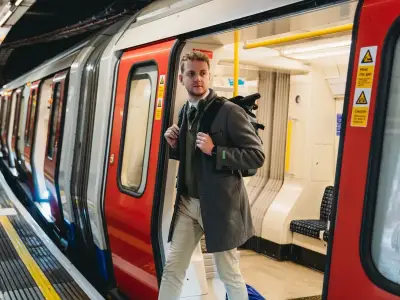
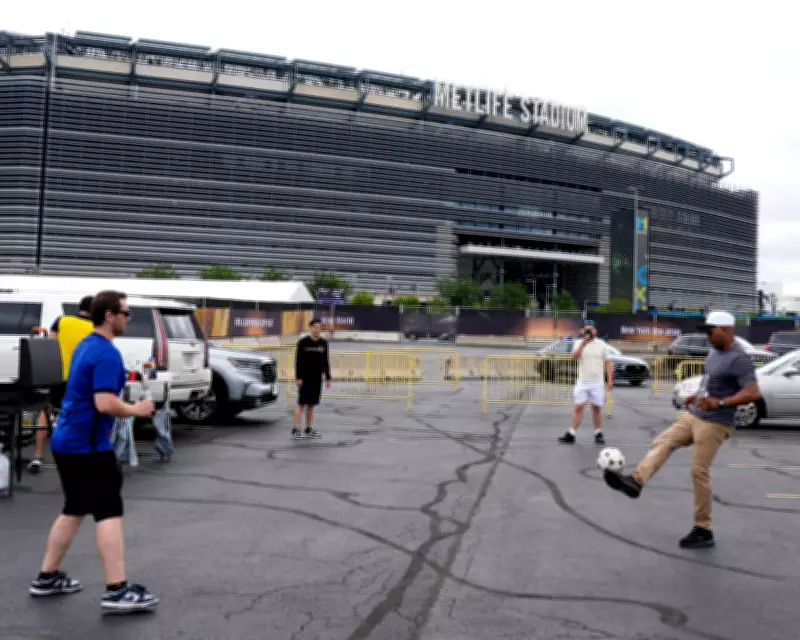
New Jersey officials have finalized transit plans for the 2026 World Cup, revealing significant price hikes that have sparked public outcry. At a briefing on Friday, it was confirmed that a round-trip train ticket from New York's Penn Station to MetLife Stadium will cost $150, a stark increase from the typical $12.90 fare. Additionally, parking at the adjacent American Dream mall will be priced as high as $225 per vehicle.
Governor Sherrill Clashes with FIFA Over Funding Burden
New Jersey Governor Mikie Sherrill has openly criticized FIFA, world football's governing body, for not contributing to transportation costs. In a statement, Sherrill emphasized that the state faces a $48 million expense to safely transport an estimated 40,000 fans per match, with FIFA projected to earn $11 billion from the tournament. She argued that FIFA should cover these costs to avoid burdening New Jersey taxpayers.
"As I have said repeatedly, FIFA should cover the cost of transporting its fans. If it won't, we will not be subsidizing World Cup ticket holders on the backs of New Jerseyans who rely on NJ Transit every day," Sherrill wrote.
Transit Details and Alternative Options
The $150 train ticket is a flat rate with no discounts for children, seniors, or people with disabilities. Fans must purchase a special NJ Transit World Cup ticket, which includes a wristband for return travel and assigned departure times from Penn Station, with multiple security checkpoints along the route. For those seeking cheaper alternatives, a round-trip bus service is available for $80, with pickups from two locations in New York City and a park-and-ride site in Clifton, New Jersey, accommodating about 2,500 vehicles.
To manage congestion, NJ Transit will suspend outbound service from Penn Station to non-ticket-holders for four hours before each match, affecting regular commuters. Officials have implemented mitigation measures, including free Path trains and buses on affected days, additional Path service, and employer encouragement for remote work. Discounts will be provided for riders impacted on matchdays June 22 and June 30, funded by the NJ/NY host committee.
FIFA Responds with Concerns Over Pricing Model
FIFA pushed back against Sherrill's comments, stating that transportation plans have been in development since 2018. Heimo Schirigi, World Cup chief event operations officer, warned that NJ Transit's pricing model could have a "chilling effect," potentially driving fans toward alternative transportation and increasing congestion. He highlighted that other host cities, such as Kansas City and Philadelphia, are offering lower-cost transit options to enhance the fan experience.
Broader Impact and Comparisons with Other Host Cities
The transit price hikes are part of a broader trend, with the Massachusetts transit authority raising fares from Boston to Gillette Stadium from $20 to $80. However, not all host cities are following suit; Kansas City plans $15 bus shuttles, and Philadelphia will maintain its $2.90 fares. In New Jersey, parking at MetLife Stadium will be drastically reduced, with no general spectator parking allowed on matchdays. Limited premium parking is available at $225, subject to demand, and rideshare users will face a one-mile walk from drop-off points.
Governor Sherrill, elected last year on a platform of affordability, has also redirected funds from a canceled $5 million fan festival to smaller watch parties across the state. NJ Transit chief executive Kris Kolluri reiterated that the goal is to ensure fans bear the costs, not New Jersey commuters. The World Cup, running from June 11 to July 19, will see MetLife Stadium host eight matches, including the final on July 19, with transit plans aimed at moving 40,000 spectators per event.