EU's New Border System Sparks Travel Chaos as Over 100 Passengers Miss EasyJet Flight
European border officials are being instructed to utilize the flexibility allowed under new regulations after a major incident left more than 100 EasyJet passengers stranded in Italy. The disruption highlights significant teething problems with the European Union's recently implemented Entry Exit System (EES), which has been causing widespread delays for British travelers at airports across the continent.
Milan Linate Incident: A Warning Sign for European Travel
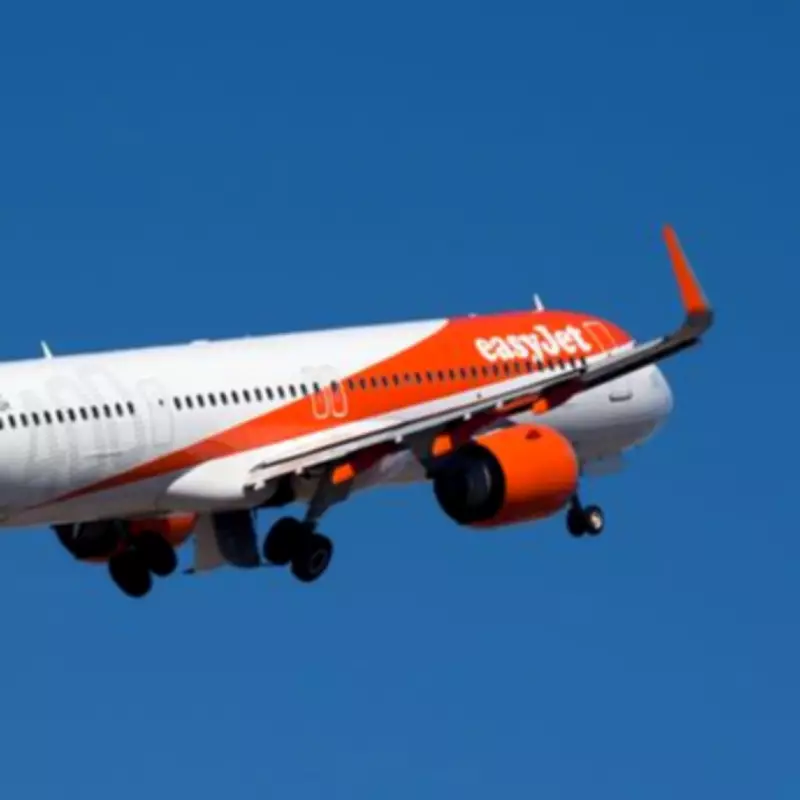
A total of 122 travelers were prevented from boarding their scheduled EasyJet flight from Milan Linate to Manchester on Sunday, April 12, due to extensive hold-ups at passport control. The 11:00 AM service was delayed by 59 minutes before eventually departing with the vast majority of seats empty, leaving stranded passengers to navigate alternative travel arrangements.
The EU's Entry Exit System requires travelers from non-member nations, including the United Kingdom, to submit to fingerprint recording and photograph capture when entering the Schengen Area. This zone encompasses 29 European nations, most of which are within the EU itself. For the majority of British travelers, this new biometric procedure takes place at overseas airports before departure.
Industry Warnings and Passenger Ordeals
Julia Lo Bue-Said, chief executive of the Advantage Travel Partnership, described the Milan incident as "a warning sign that cannot be ignored." She emphasized that even isolated disruptions at Schengen borders are creating serious knock-on effects, with passengers missing flights, enduring long waits, and navigating inconsistent processes.
"That is simply not good enough," Lo Bue-Said stated, alleging that some airports possess adequate physical infrastructure but fail to deploy sufficient staff to manage demand during peak periods.
Travel trade organization Abta has expressed disappointment and frustration over the ongoing disruptions. Director of public affairs Luke Petherbridge noted that while many travel experiences remain smooth, some passengers are being caught in unacceptable delays due to EES implementation.
Passenger Experiences: Vomiting, Near-Fainting, and Financial Loss
Among those affected was 17-year-old Kiera from Oldham, Greater Manchester, who arrived at Milan Linate airport at 7:30 AM with her boyfriend. "We got to Border Control and it was a massive queue of people," she told the BBC. "At about 10:50 AM they brought some water over for people, and when we got to the front of the queue someone asked us if we were going to Manchester, and told us our flight had just gone."
Vicky Chapman, 26, from Wirral, Merseyside, had reserved seats on the same flight alongside her family, including her five-year-old son. She explained they reached the airport "with more than enough time" but were "refused entry through passport control."
"We were then told that we are a 'no show' on our flight because we did not get to the gate on time, even though passport control had issues and they would not let us through," Chapman revealed. "We were passed from pillar to post for three hours and no-one helped us. It was so hot in the airport, people were vomiting, people were almost passing out."
The family now faces additional expenses, having to pay out of pocket for accommodation while waiting until Tuesday for the earliest available return flight to Gatwick instead of Manchester.
Airline Response and Broader Impact
An EasyJet spokesperson confirmed the incident, stating: "Due to delays in EES processing by border authorities, some passengers departing from Milan Linate on Sunday experienced very long waiting times at passport control." The airline held the flight for nearly an hour but ultimately had to depart due to crew reaching their safety-regulated operating hours.
The spokesperson added: "Customers who missed the flight have been offered a free flight transfer. We continue to urge border authorities to ensure they make full and effective use of the permitted flexibilities, for as long as needed while EES is implemented, to avoid these unacceptable border delays for our customers."
Industry organization Airports Council International recently disclosed that EES was generating delays of up to three hours at airports across Spain, Portugal, France, and Italy. Reports indicate similar disruptions occurred in Faro, Pisa, and Venice over the same weekend, suggesting a pattern of inconsistent implementation across European airports.
Travel industry leaders are calling for more consistent application of contingency measures, including the temporary suspension of biometric checks during peak travel periods and adequate staffing at border controls. The Milan incident serves as a stark reminder of the practical challenges facing the implementation of new border security systems across Europe.