Simon Jenkins' recent article calling HS2 a white elephant has sparked a lively debate among readers. While some agree with his criticism, others argue that the project is essential for Britain's rail network.
The Case for HS2
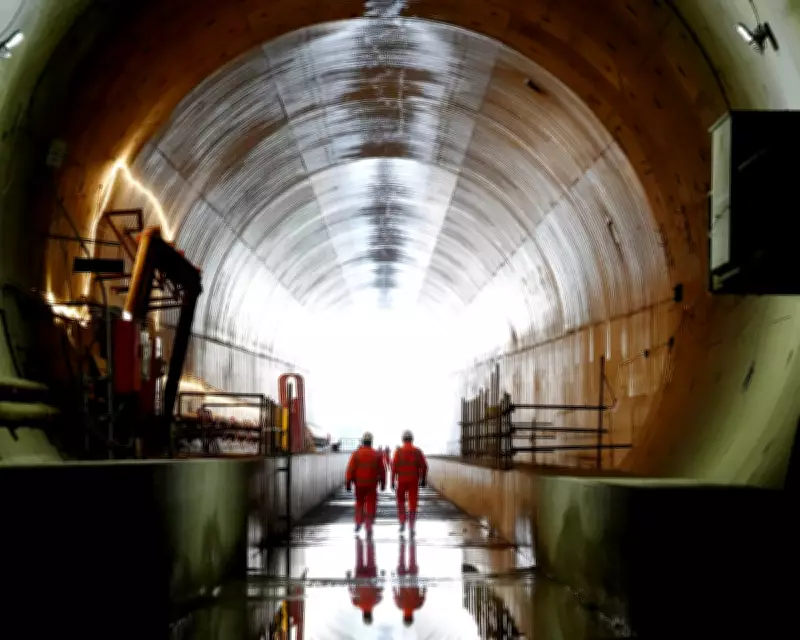
Deb Carson, Head of Operations at High Speed Rail Group, argues that Jenkins' view is shortsighted. "The west coast mainline is full and the UK is heading towards its worst transport bottleneck," he writes. Cost overruns do not invalidate the need for additional capacity. HS2 is already supporting over 30,000 jobs, from tunnel facilities in Hartlepool to local firms in the West Midlands, and generating £20bn in development benefits. Abandoning HS2 would leave taxpayers with a huge bill and no benefits, while cancellation costs and alternative solutions would impose further expenses.
East West Rail Concerns
Stephen Mallinson from Little Eversden, Cambridgeshire, draws parallels between HS2 and East West Rail, warning that the latter risks becoming "HS2 in miniature." He criticizes the Department for Transport for resisting freedom of information requests on the business case for the CS3 route, which reportedly has a benefit-cost ratio as low as 0.3. "A railway that returns barely 30p of value for every pound spent would never survive scrutiny in the private sector," he notes.
Counterarguments
Alex Stewart from London disagrees with Jenkins, stating that without HS2, overcrowding on services between London, Birmingham, and Manchester will worsen, and fares will rise to limit demand. "If we follow Jenkins' advice, we doom future generations to higher fares, worse congestion, and more crowded trains."
Julian Roberts from Great Bookham, Surrey, recalls a conversation from over 20 years ago where he and a colleague questioned the need for a high-cost option to shave minutes off journey times. He calls HS2 a "costly vanity project for engineers and politicians."
David Campbell from Portishead, Somerset, points out the contrast with the Hong Kong-Zhuhai-Macau bridge, which was completed in nine years, while HS2, first mooted in 2009, may not be operational until 2036-2039. "The incompetent management of major infrastructure projects in the UK is pathetic and highly embarrassing."
The debate highlights the tension between the need for capacity and the cost and management of large-scale projects. As one reader puts it, the question is not whether HS2 should be cancelled, but what a congested, unreliable rail network would ultimately cost the country.