HS2 Train Design Shift Risks Slower, Crowded Northern Services, Expert Warns
Plans to modify the size of HS2 trains in a bid to optimize capacity are poised to drive up expenses while resulting in fewer seats and decelerated services north of Birmingham, according to a prominent government and rail industry insider. The warning highlights potential setbacks as HS2 Ltd reviews a £2 billion order for 54 high-speed trains, originally placed in 2021, amid efforts to curb costs and renegotiate contracts following the cancellation of the northern leg by Prime Minister Rishi Sunak in 2023.
Capacity and Speed Concerns on Conventional Tracks
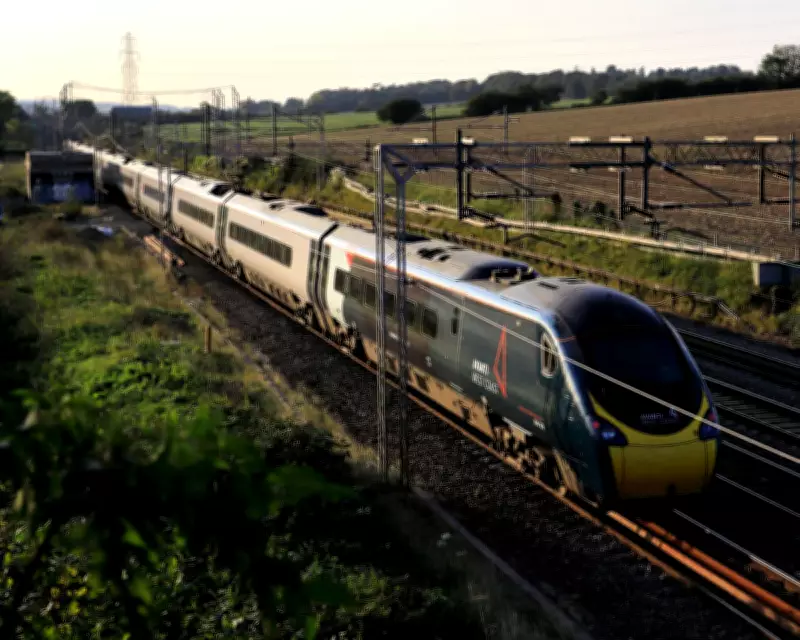
The initial design called for 200-metre, eight-carriage units that could combine into 16-carriage trains, akin to Eurostar dimensions. However, this configuration is now feasible only on the new line between London and Birmingham, as existing stations like Manchester Piccadilly cannot accommodate 400-metre trains. Consequently, HS2 services limited to eight carriages may diminish capacity on the conventional railway north of Birmingham, where current Pendolino trains are both faster and longer. Chris Gibb, a non-executive director of DfT Operator, has publicly cautioned against altering the train order, arguing it could incur extra costs and still leave HS2 unable to rival west coast main line fleets.
Gibb emphasized that the Hitachi-Alstom trains lack tilt capability, unlike the Pendolinos operated by Avanti West Coast, which restricts their speed on curved conventional tracks. He addressed politicians and industry representatives at the all-party parliamentary rail group in Westminster, stating his concerns in a personal capacity despite his role and long-standing advocacy for HS2. Gibb warned that replacing 11-coach Pendolinos with eight-coach HS2 trains would likely lead to overcrowding from day one, leaving passengers stranded.
Contractual and Operational Implications
Modifying the contract could not only waste prior work on HS2 stations and depots but also trigger penalties and delays. Gibb proposed an alternative: retain the original train order with Alstom and Hitachi to avoid these issues, while simultaneously planning to replace the Pendolino fleet with longer, faster modern versions by around 2040, when HS2 services extend north. He asserted this approach would boost capacity, revenue, and reduce journey times across all routes without additional railway construction. Lord McLoughlin, former transport secretary, expressed skepticism about potential costs, but Gibb countered that it might yield savings by requiring fewer Pendolinos overall.
Lord Berkeley, a known HS2 skeptic, endorsed Gibb's idea, advocating for consistent rolling stock to ensure flexibility in future operations. Despite widespread speculation about contract amendments during HS2's ongoing "reset" under chief executive Mark Wild, HS2 Ltd and the Department for Transport have stated that no changes have been made to the original order. The trains are slated for construction in Derby and Newton Aycliffe, with designs still being finalized in collaboration with manufacturers.
The Department for Transport reiterated its commitment to resetting HS2 to control costs after years of mismanagement, aiming to deliver remaining works at the lowest reasonable expense. As discussions continue, the debate over train specifications underscores broader challenges in balancing innovation with practical rail needs across the UK.